Boss Uses Kids’ Tracking App to Monitor Employees and Threatens Fines, Sparking Outrage


Managing a team can be challenging, but some employees believe certain managers take workplace monitoring too far. When employees feel constantly watched, it can impact their comfort, motivation, and overall job satisfaction.
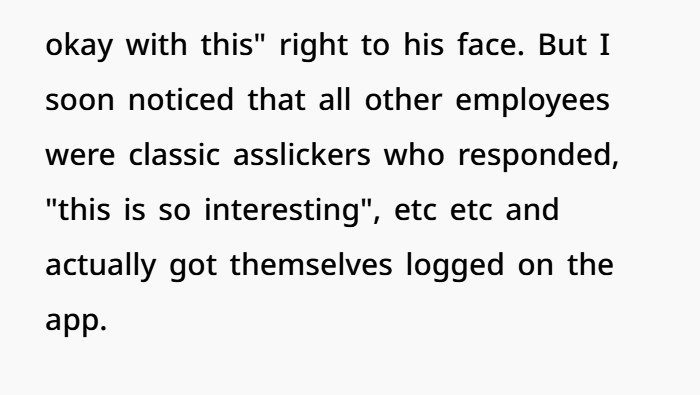
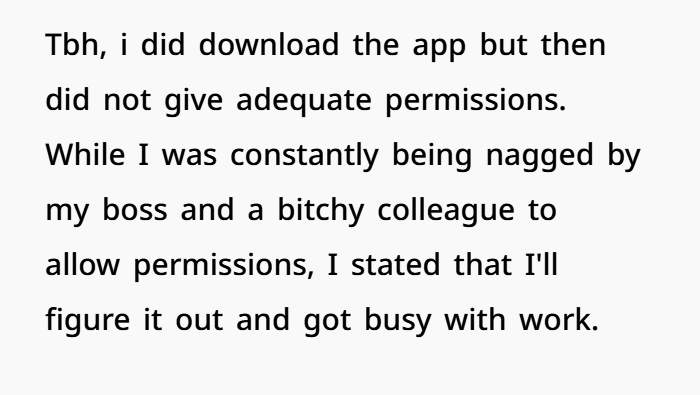
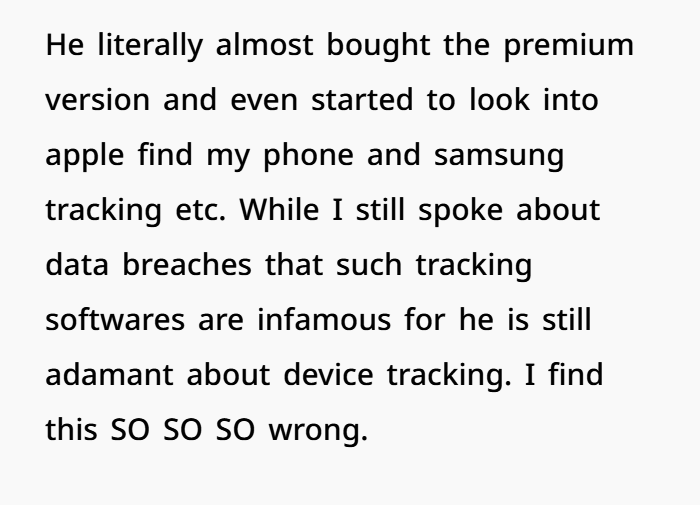
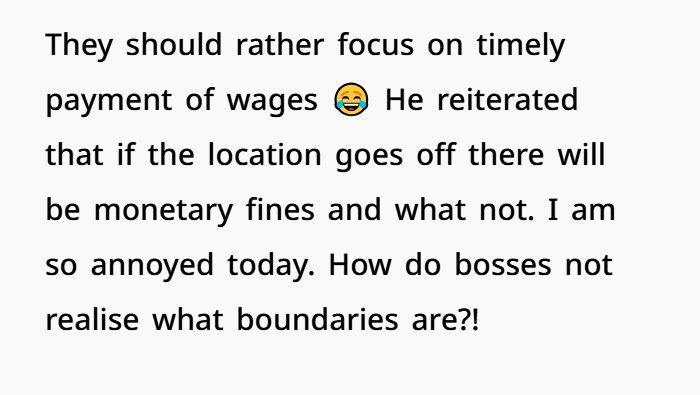
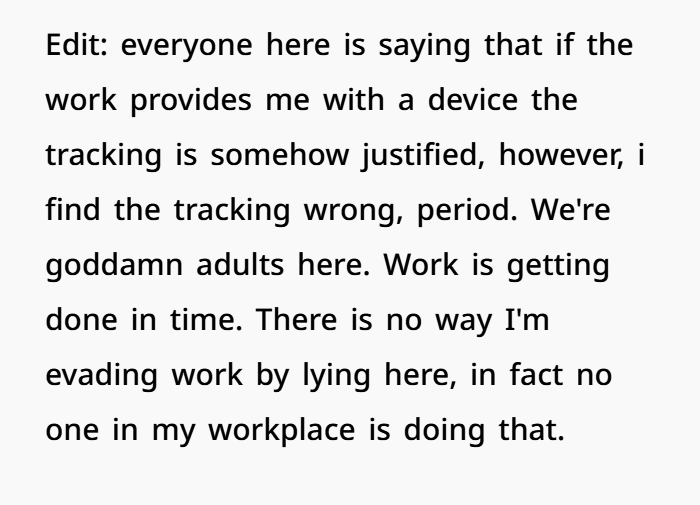
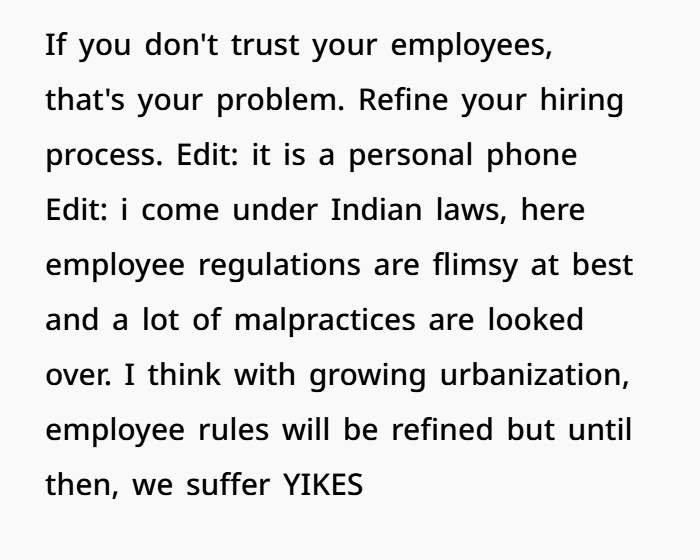
A lawyer recently shared a workplace experience involving a company policy that she felt was too intrusive. She believed the policy raised important questions about privacy, employee rights, and how businesses should handle monitoring practices.
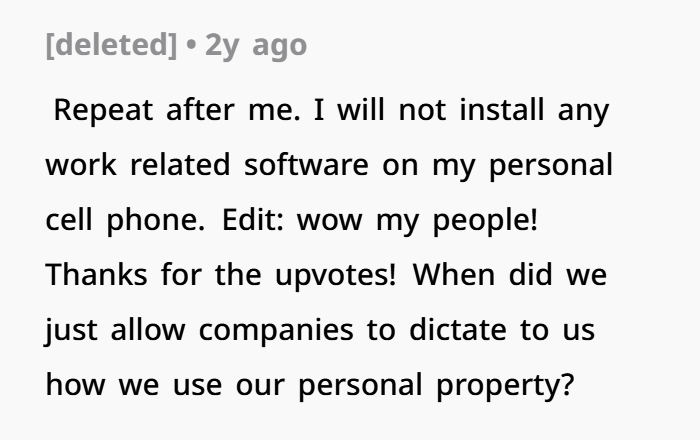
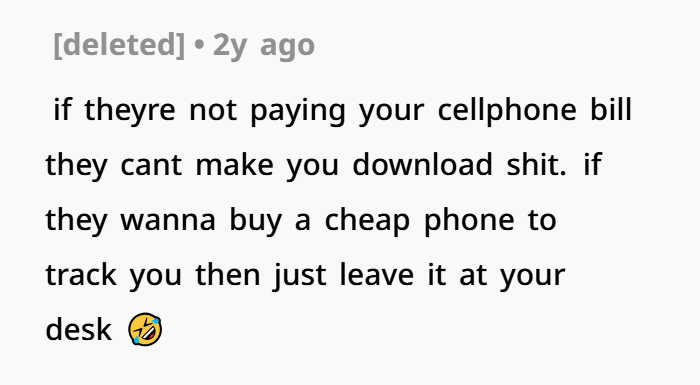
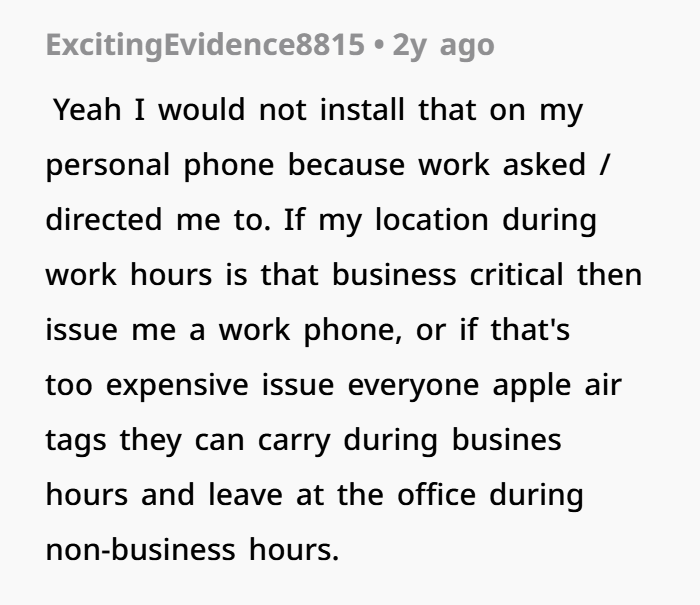
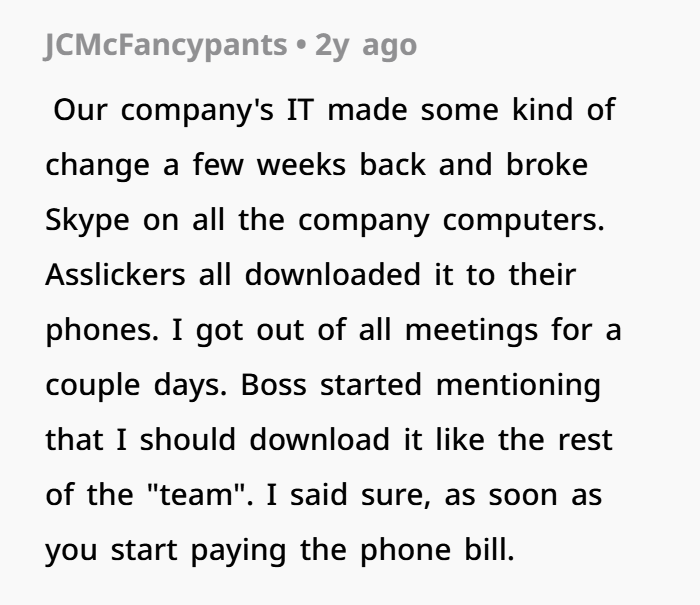
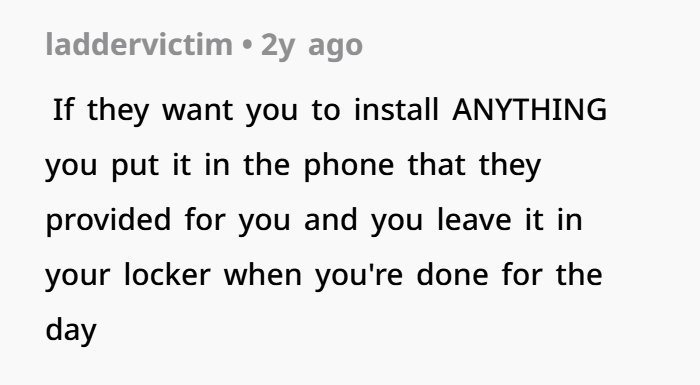
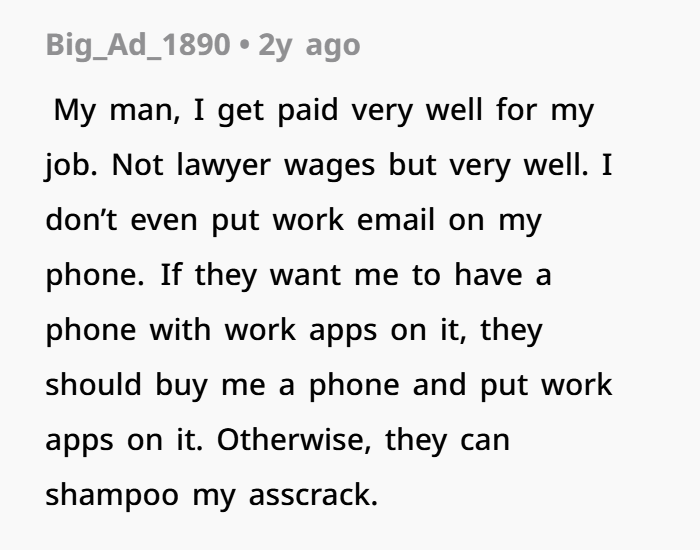
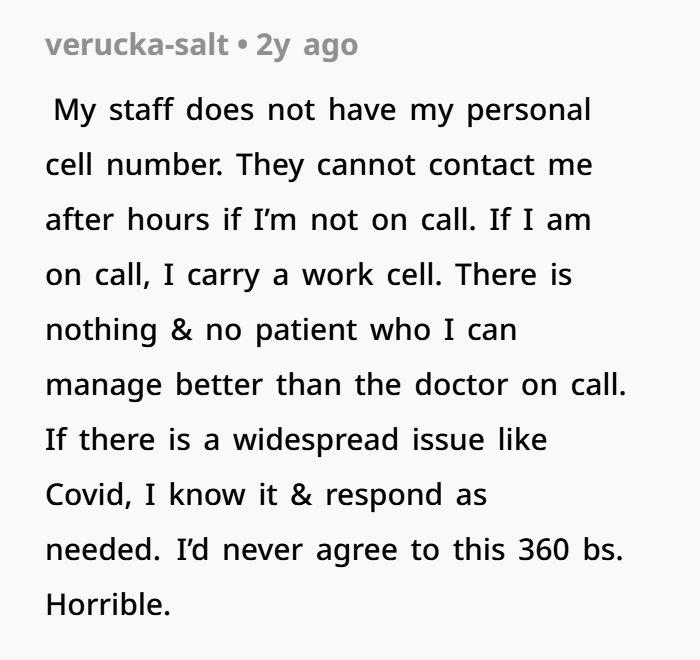
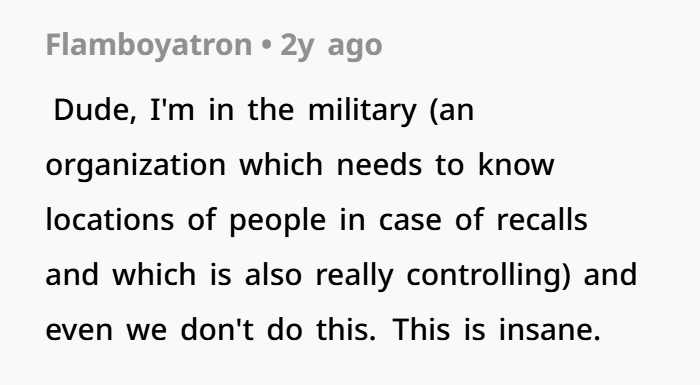
Her post led to a wider discussion among people who shared their opinions about workplace rules, company culture, and the relationship between employers and employees. Many agreed that clear policies and respectful communication are important in any professional setting.
Modern workplaces need to find the right balance between improving productivity and protecting employee trust. Fair management practices and thoughtful workplace policies can help create a better experience for everyone.

Can Employers Track Employee Locations? What Workers Should Know About Privacy
Location tracking has become a normal part of everyday life. Many families use it to stay connected, check on children, or find a lost phone. In emergency situations, location services can even help people get quick assistance.
But when the same technology is used at work, many employees have questions. Can an employer track your location? Is it legal? And how much monitoring is too much?
The answer depends on the device being tracked, company policies, and privacy laws.
Companies Can Monitor Work Devices
Businesses usually have the right to monitor devices they provide for work. This can include company phones, laptops, tablets, internet activity, emails, and vehicles.
For example, a company may use GPS tracking software on company vehicles to improve safety, manage routes, and keep track of business travel. Employers may also use employee monitoring tools to protect company data, manage remote workers, and make sure business equipment is being used properly.
This type of monitoring is generally connected to work responsibilities. Employees who use company-owned devices should understand that some level of monitoring may be part of their workplace policy.
Personal Phones Are Different
Tracking an employee’s personal phone is a much more sensitive issue.
Most people expect their personal devices to remain private. An employer usually cannot track an employee’s personal phone location or activity without proper permission and a clear reason.
Companies should always be transparent about their monitoring practices. Employees should know what information is collected, why it is needed, and how their data is protected.
A clear employee privacy policy can help create trust between businesses and workers.
Why Businesses Use Location Tracking
There are situations where location tracking can provide benefits for companies.
For example, businesses may use GPS tracking to:
- Verify business travel expenses
- Improve fleet management
- Increase workplace safety
- Protect company assets
- Support remote employees
- Improve operational efficiency
When used responsibly, tracking technology can help businesses save time and improve daily operations.
However, tracking should only collect information that is necessary for business purposes.
Data Security Is an Important Concern
One of the biggest concerns with tracking apps is data privacy and cybersecurity.
Location information is personal data. If companies collect this information, they have a responsibility to keep it secure.
Cybersecurity experts recommend that companies use strong security practices, including:
- Multi-factor authentication
- Strong passwords
- Regular software updates
- Secure data storage
- Limited access to personal information
A security breach can expose user information and reduce trust. This is why companies that handle personal data need strong cybersecurity policies.
Too Much Monitoring Can Hurt Employee Trust
Technology can be helpful, but excessive monitoring can create problems.
When employees feel like they are being watched all the time, it can affect workplace morale and job satisfaction. Constant tracking may make workers feel less trusted and can create unnecessary stress.
Good managers usually focus on performance, communication, and results instead of monitoring every small movement.
A healthy workplace depends on trust, respect, and clear expectations.
Finding a Balance Between Privacy and Security
Businesses need to protect their information while also respecting employee privacy.
Before using employee tracking software, companies should ask important questions:
- Is this tracking necessary?
- Have employees been informed?
- Is personal information protected?
- Are privacy rules being followed?
- Is the company collecting only the information it needs?
Responsible use of technology can help businesses maintain security without creating privacy concerns.
The Future of Workplace Monitoring
As more companies use remote work systems and digital tools, workplace monitoring technology will continue to grow.
However, successful businesses understand that technology should support employees, not control them.
The best approach is to create a balance between workplace security, employee privacy, and business efficiency.
Location tracking can be a useful tool when it is used for the right reasons. But when monitoring becomes excessive, it can damage trust between employers and employees.
Companies that focus on transparency and responsible data use can create safer and more positive workplaces.
Readers’ Comments Speak Out