My Wife Wants to Be Called My Girlfriend… After 5 Years of Marriage?
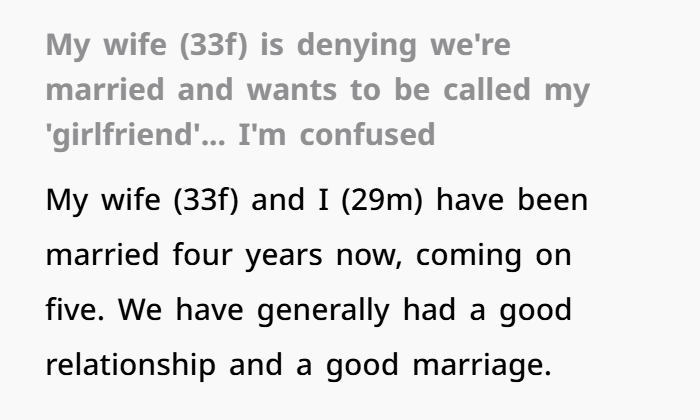
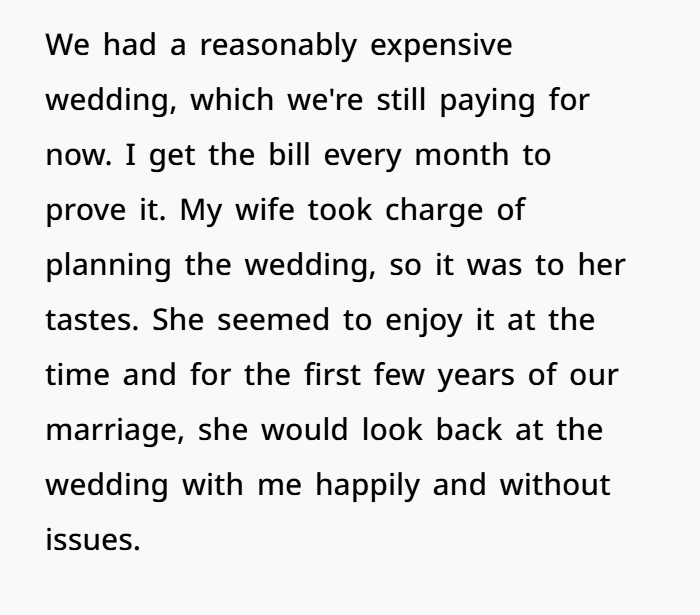
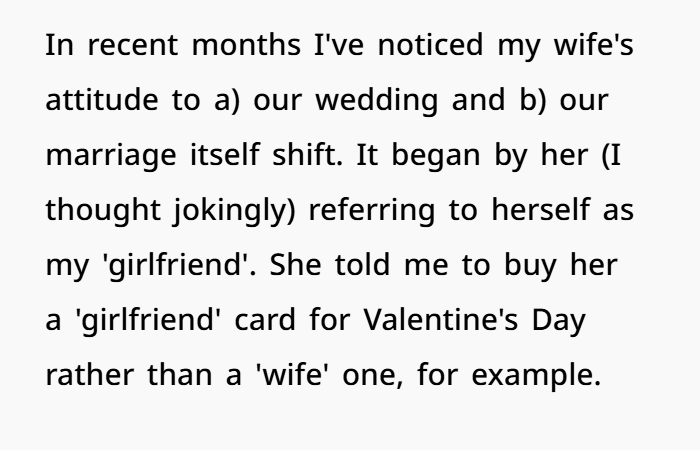
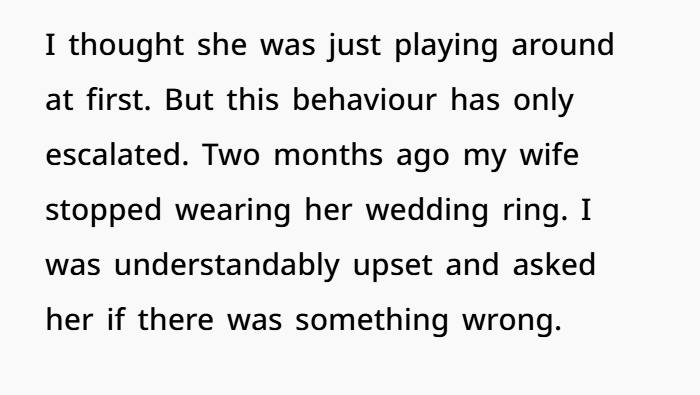
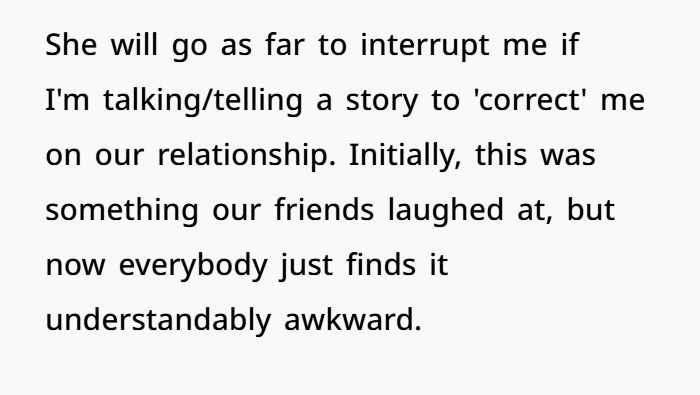
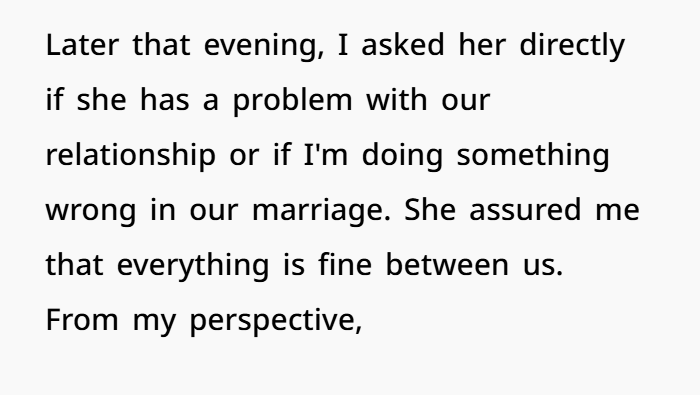
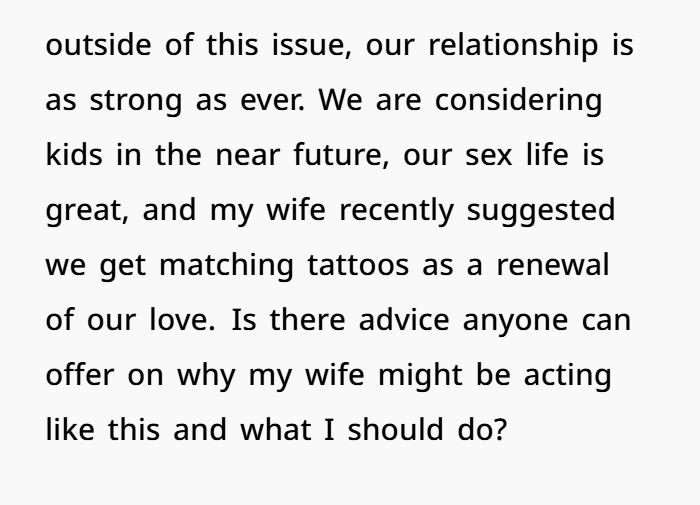
You and your wife have been married nearly five years, you say you’ve had a “good marriage” until recently. You did the wedding, you’re still paying for it, and things seem fine in many respects (sex life, kids planning, etc.). But lately your wife has been acting as if the marriage label doesn’t apply: she wants to be called your “girlfriend”, correct you when you call her your wife, denies the wedding occurred when others bring it up, and has stopped wearing her ring. While all of these may individually be explainable (she doesn’t like rings; she’s being playful), together they form a pattern of distancing and re‑defining the relationship. You asked if you’ve done something wrong, she says “everything’s fine.” So you’re stuck in limbo: something has shifted, you feel it, you’re confused, but you don’t have clarity or alignment.
From your description: you’re feeling unsettled, you want to understand why, you want to protect the marriage and your interests — that’s healthy. But this behaviour is a red flag because “fine” no longer means “the same as before.”
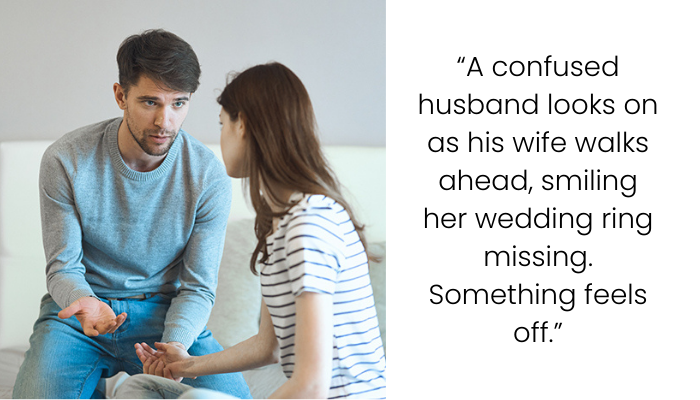
A husband became worried about his wife after she kept insisting that they had never married

Because the marriage seemed fine otherwise, he couldn’t understand where this was coming from



Possible underlying causes
- Identity shift / marriage ambivalence
- Sometimes people marry, and after a few years they realise “married” doesn’t feel like the fit they imagined — maybe they prefer a less formal label (“girlfriend”) because it feels lighter, easier, less tied to expectations or obligations.
- Your wife may be attempting to redefine the relationship in her mind — perhaps she’s uneasy with what “wife” means (commitment levels, roles, public identity) and is opting for a “girlfriend” label which may feel more flexible.
- Emotional distancing / internal conflict
- Her denying “what wedding?” suggests a disconnection from the event, maybe even regret or discomfort. Could be guilt (over cost, over something that happened at/around wedding), or she’s emotionally checking out.
- Stopping wearing the ring is a classic marker of distancing in relationships. While you pointed out her dislike of jewellery is legitimate, the conjunction of other signs makes this one part of a pattern.
- Control over narrative / fear of expectations
- Being called “wife” carries social, family, identity expectations. Perhaps she wants to avoid some of those: e.g., feeling pressure to become a mother, feeling the marriage is “expected” to progress in certain ways (kids, home, finances) and she prefers staying in a freer phase.
- External influences / life changes
- Four to five years in, payments still ongoing for wedding, maybe financial stress. Maybe she’s comparing her expectations vs reality of married life.
- She might be dealing with something internal (depression, burnout, identity crisis) and the change in labels is a symptom rather than the cause.
- Changing needs in the relationship
- You say your sex life is “great” and you’re planning kids, which is positive — but sometimes deep unresolved issues occur “beneath” the surface. Perhaps she feels unheard, or the growing plans (kids) are scaring her. She changes labels to signal “I’m not ready for all this.”
- Avoidance / stonewalling
- The behaviour of ignoring “wife” and denying “wedding” can be a form of stonewalling — refusing to engage with the marriage identity. Stonewalling is recognised in psychology as a strong predictor of relationship breakdown when one partner emotionally shuts down. Wikipedia
What research / therapist advice says about this type of scenario
- Couples often wait years before seeking help even when things feel off. According to one marriage therapist: “On average, couples wait 7 years after they start experiencing problems before they seek counselling.” Doctor’s Crossing
- If one partner wants to work on things and the other demurs, there’s still a path forward — working on your side alone can shift the dynamic. For example: “You cannot force your spouse to attend counseling. … You’re responsible for your own choices and reactions, not your partner’s.” Lime Tree Counseling+1
- The refusal to acknowledge or use the “married” identity can signal deeper relational issues — like disconnection, dissatisfaction, or unspoken conflict. While not always catastrophic, ignoring this kind of change increases the risk of drifting apart.
- Counselling refusal (or avoidance of the core issues) ranks among red flags for marital health decline. On Reddit: “A spouse who refuses to seek counseling is a major red flag” Reddit

What you can do: practical steps
- Start with a calm conversation
- Pick a time when you’re both relaxed. “I’ve noticed you prefer ‘girlfriend’ rather than ‘wife’ and you seem to distance yourself when the wedding comes up. I feel confused and would love to understand how you’re feeling about our marriage.”
- Use “I feel” statements rather than blame: “I feel … when you correct me in front of friends. I love you and our life but I’m unsure if we’re still on the same page.”
- Aim to listen more than defend. Maybe she’s feeling something she hasn’t voiced.
- Clarify what “marriage” means to each of you now
- Ask: What does “wife” mean to you now? What does “married” mean for you? Are there things you expect from that identity that feel heavy or different?
- Ask: Would you prefer we just live as partners/girlfriend/boyfriend style? If so, fine — but let’s consciously choose that and understand why.
- Ask: Are you okay with the wedding and everything that came with it (costs, social expectations, roles)? Or is something about it bothering you?
- Work on reconnecting identity and ritual
- If she’s distancing the “wedding” or “wife” label, examine together: what parts of the wedding did you love? What parts felt bad to you? Maybe some element of the event or its aftermath is tarnishing her view.
- Consider doing a “marriage check‑in” or ritual to reconnect: could be a small celebration, renewing your vows, writing what each of you want now (not what you wanted 4 years ago).
- Attend couples counselling (or suggest it)
- Frame it as “We’re doing great in many ways, but I’d like us to explore this shift together so we stay strong.” Research shows counselling isn’t just for crisis — it can be proactive. Klearminds+1
- If she resists, you can start with individual counselling for you. That helps you clarify what you want, how you feel, and how you’re showing up. Change in you often stimulates change in the system. Lime Tree Counseling+1
- Decide what you’ll tolerate and what you won’t
- If the marriage label is important to you (because you view it as commitment, unity, social/family identity), you need to express that: “For me, being married matters. If you’re uncomfortable being my wife, we need to talk about what that means for our future.”
- It’s okay to ask: “Are you still committed to this marriage in the way I assumed?” The label change might imply a shift in emotional commitment. It’s better to clarify than to assume.
- Monitor your own emotional health and expectations
- It’s okay to feel hurt, confused, insecure. Don’t push those feelings down. Talk to someone you trust.
- Be aware of the danger of “staying stuck”: assuming everything else is fine and ignoring this weird label behaviour may lead to disconnect.
- Experiment with small changes
- For example: when people ask about your relationship status, talk about how you feel (“We’re married and committed, but we’re navigating something new together”).
- Try using “wife” vs “partner” in conversation and see how she reacts — not to trick her but to understand her internal experience.
- Perhaps suggest something new that renews your connection (matching tattoos you mentioned) but use this moment not just for fun but for deeper meaning: “What does this tattoo represent for us now?”
Key questions to ask (either to her or for yourself)
- Do you still see us as married, in the way we once did?
- What does being “wife/my husband’s wife” mean for you now? Has it changed?
- Is something about our wedding/wedding‑debt/expectations bothering you?
- If you prefer to be “girlfriend”, is that because you feel less pressure, more freedom — or because you feel something missing in the marriage?
- Are you okay with the future plans we’re making (kids, finances)? Are you hiding doubt or fear behind “everything’s fine”?
- What do you need from me so you feel the marriage is working?
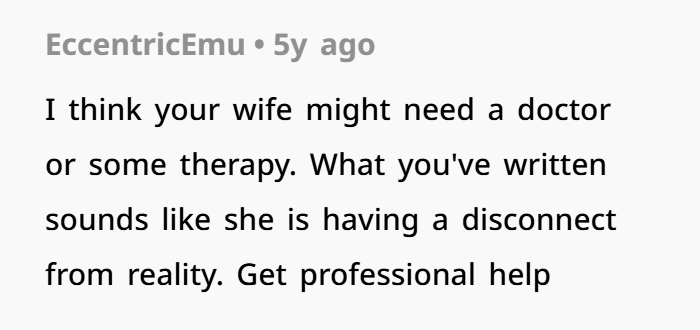
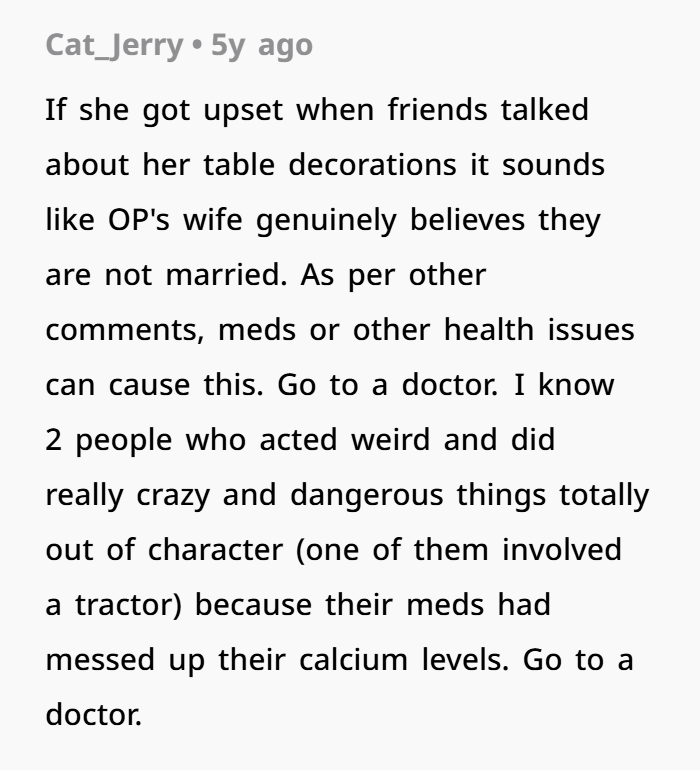
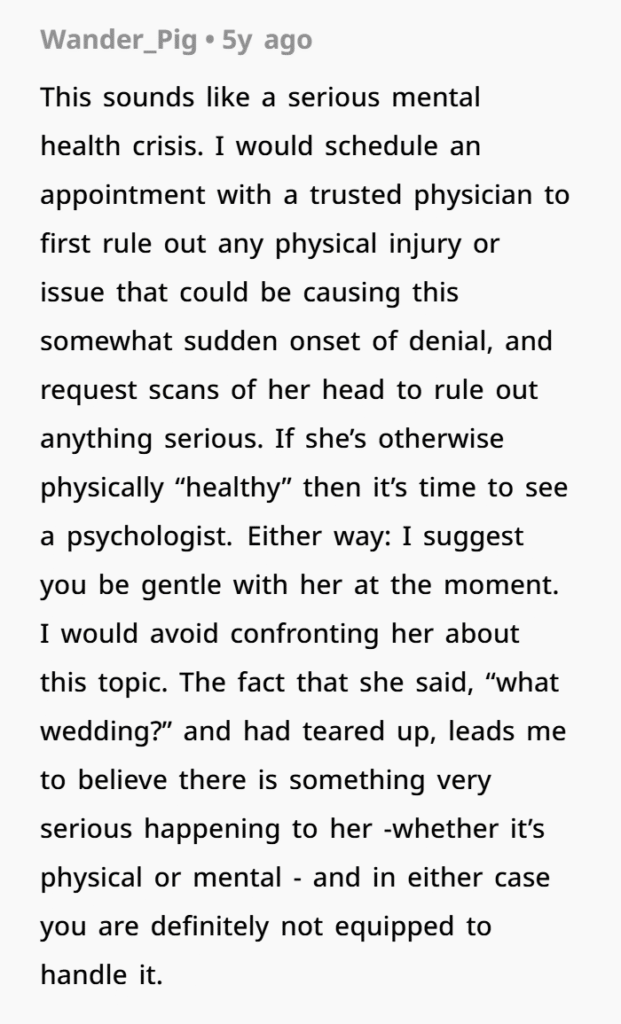
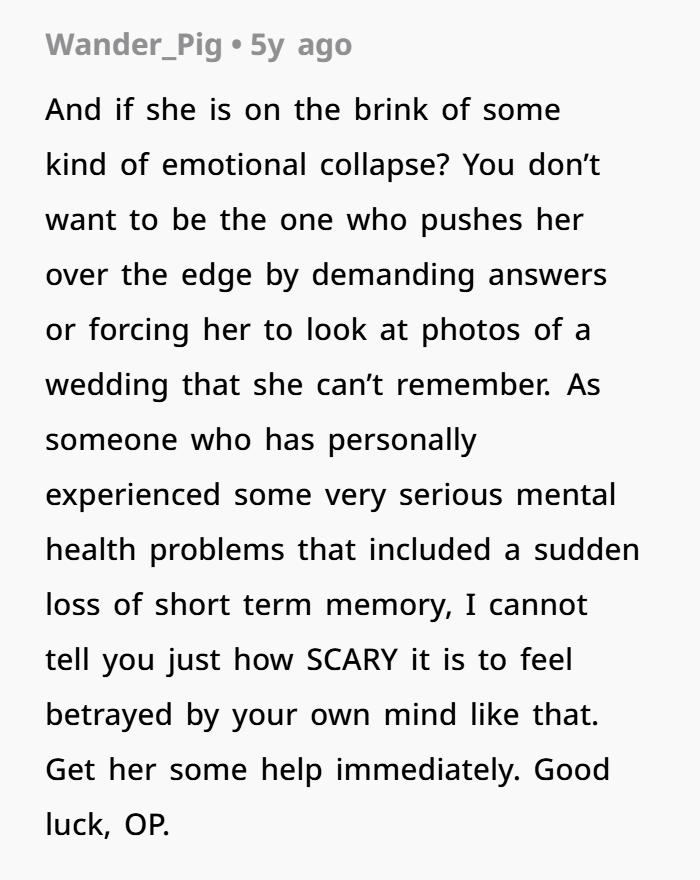
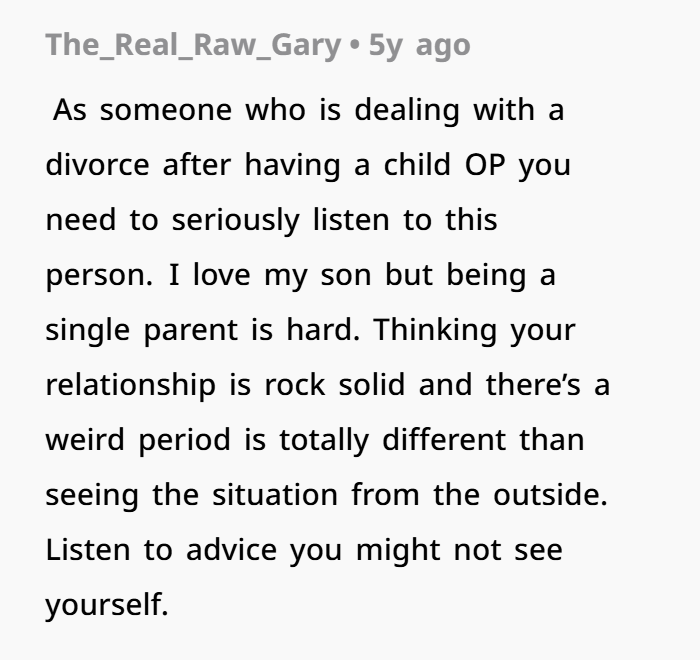
“Sounds like a mental breakdown,” many commenters said, suggesting that the wife was denying reality
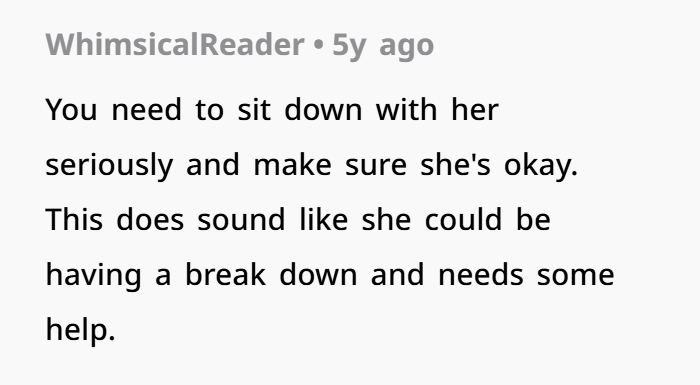
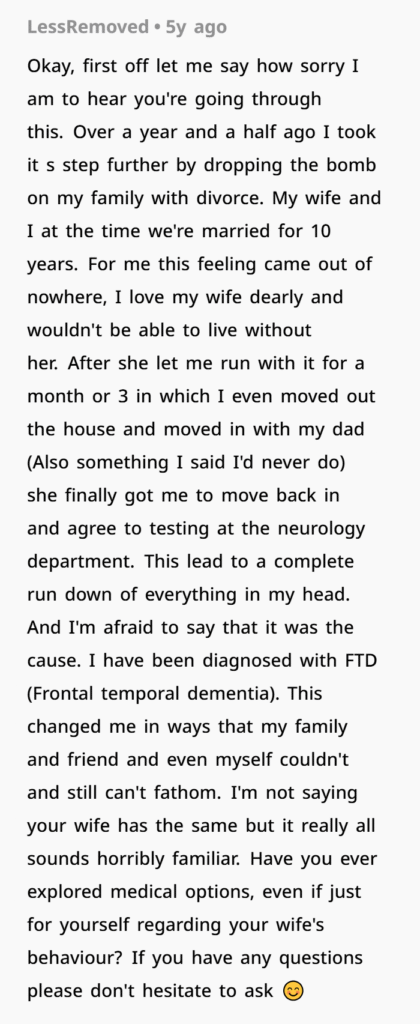
My gut says your wife might be experiencing one (or more) of the following: a fear of the marriage identity (its demands/expectations), an emotional disconnect or change of mind about how she defines your relationship, or unresolved issues with your wedding/event finances or role dynamics that she hasn’t voiced. The fact that many things are otherwise fine (sex life, planning kids) gives hope — you’re not in a full breakdown, and you’d rather address this now than wait until you drift.
What I’d suggest you do:
- Don’t ignore or laugh off the “girlfriend vs wife” thing. It matters.
- Have the talk (not confrontation) soon, when you’re both calm. Use curiosity, not blame.
- Start couples counselling, present it as “growth” not “fixing a problem”.
- Decide what you want. If you believe marriage label is foundational for YOU, tell her. If she doesn’t value it, you both need to decide what that means for future.
- Give it time but set a checkpoint. You don’t need immediate answers but you should not settle for avoidance. If in 3‑6 months nothing changes, you’ll need to decide next steps (maybe deeper work, maybe redefining your relationship agreement).
Remember: You can work with her on this without dictating or forcing. The goal is to understand her experience and share yours, then decide together how to move forward. If she keeps saying “everything’s fine” but keeps doing things that signal otherwise, then “fine” may mean something different to each of you. You deserve clarity and alignment for this next phase of your marriage.