11 Weird Old Jobs Women Used to Do (That Don’t Even Exist Anymore)

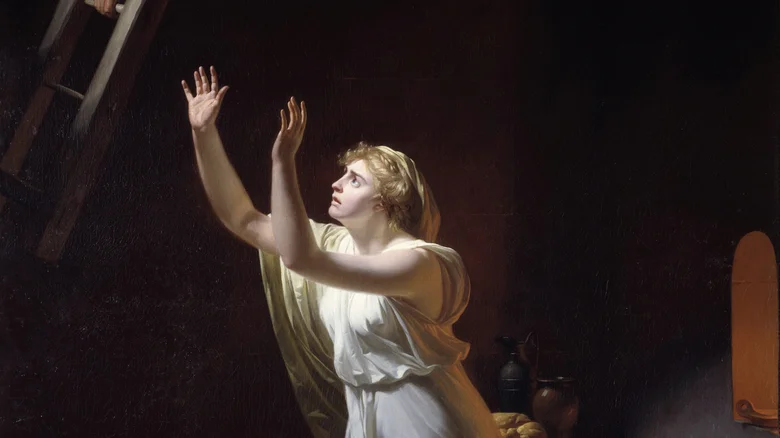
In 1979, people started using the term “glass ceiling” to describe the hidden barriers that stopped many women from reaching top positions in the workplace. The idea became popular because many women faced challenges when trying to move into leadership roles. Even today, achieving full gender equality in the workplace remains a global challenge.
Women have made progress in many industries, but some fields still show differences in pay, leadership, and career opportunities. For example, women make up a large part of early childhood education and healthcare jobs. However, leadership roles and higher-paying positions in some industries are still often held by men.
At the same time, there are some unique careers where women have traditionally been leaders. In South Korea, the haenyeo are famous female divers who collect seafood from the ocean. These skilled workers dive without advanced equipment and have passed their knowledge through generations. Japan also has a similar tradition with ama divers, many of whom are women who learned the skill from their families.
In some cultures, women have also worked as professional mourners at funerals. In places like Romania and Greece, these traditions have existed for many years. These roles show how different societies have created unique jobs based on cultural practices. Today, some men have also started joining these professions.
However, many traditional jobs that were once only done by women have disappeared over time. Changes in labor laws, technology, and workplace expectations have transformed many careers.
Some of these older female-only roles may seem unusual today, but they offer an interesting look at how work, culture, and gender roles have changed throughout history.
Radium dial painter
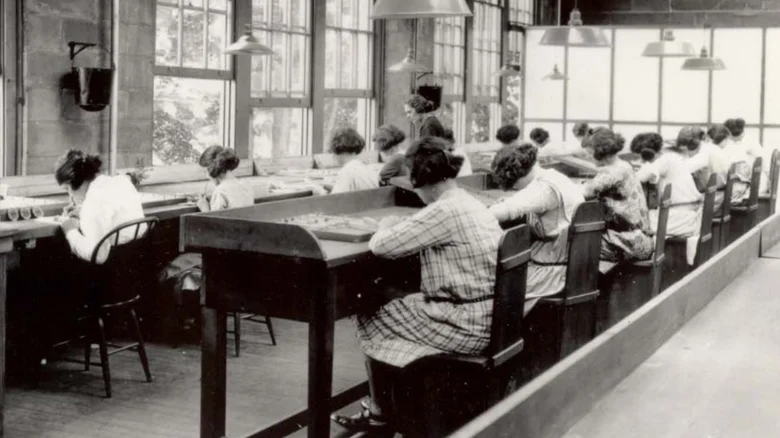
Before modern technology, people loved items that could glow in the dark. In the early 1900s, radium became very popular because many people believed it had special benefits. It was used in products like glow-in-the-dark watches and clocks.
Many factories hired young women to paint small numbers and details on watch faces. The work required great attention because the designs were tiny. Workers used paint mixed with radium to make the watch dials glow.
The problem was that many workers did not know radium was dangerous. They were told to shape their paintbrushes with their mouths, which caused them to swallow small amounts of radioactive material. Some even decorated their nails or teeth with the glowing paint because they believed it was safe.
Later, many of these workers became seriously ill because of radiation exposure. The women became known as the “Radium Girls.” Their health problems revealed the dangers of unsafe workplace practices and the lack of worker protection at the time.
Companies responsible for these factories tried to avoid blame, but the workers fought for justice. Their efforts helped create stronger workplace safety rules and improved occupational health standards.
The story of the Radium Girls remains an important reminder of why employee safety, proper training, and responsible business practices matter.
Human computer
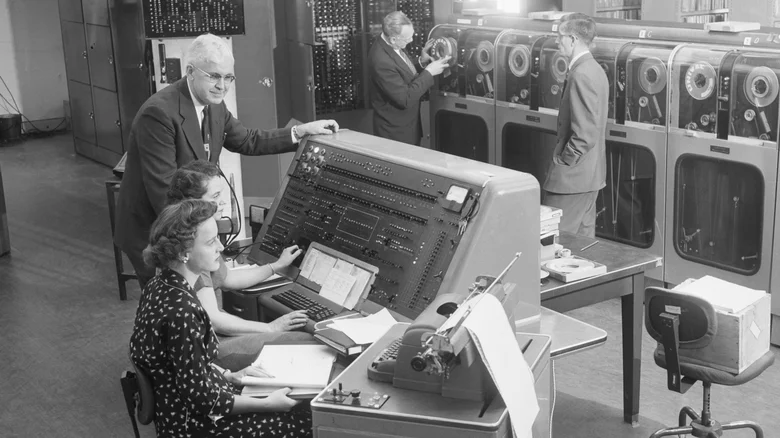
Today, computers and technology are often connected with modern digital jobs. But before electronic computers became common, many people worked as “human computers” by doing complex calculations by hand.
For many years, women played an important role in this field. From the late 1800s through much of the 20th century, women helped with scientific research, engineering projects, and important calculations.
One early example was Williamina Fleming, who worked at the Harvard Observatory. She and other women helped organize and analyze large amounts of scientific data.
During World War II, women became especially important in mathematics and technology. They worked on difficult calculations connected to military projects, early computer programming, and space research.
Many of these women helped build the foundation of modern computer science and technology. However, as electronic computers became more common, many women were pushed out of these roles.
Over time, the technology industry became less balanced, and women faced challenges such as fewer opportunities, workplace barriers, and unequal career growth.
Today, many organizations continue working to create more opportunities for women in science, technology, engineering, and mathematics (STEM) careers.
Herb strewer
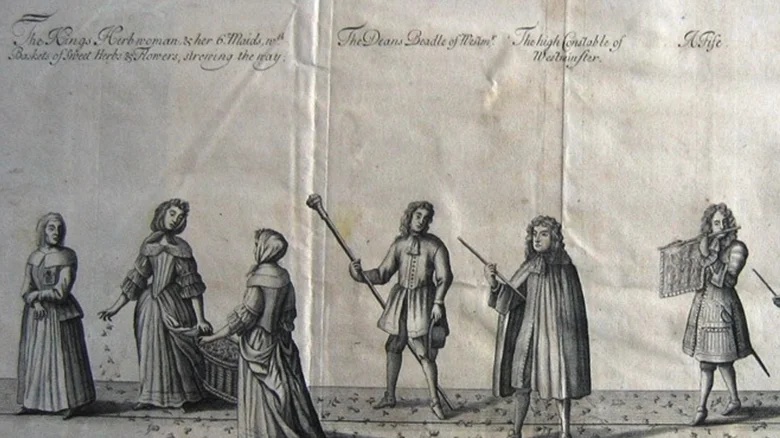
Royal traditions have included many unusual jobs throughout history. One example was the role of the herb strewer.
The job began in the 1600s and involved women spreading fresh herbs and flowers along royal walking paths during important events. Herbs such as lavender were used because they created pleasant smells.
At the time, cities like London had poor sanitation, and unpleasant smells were common. The herbs helped make royal events more comfortable for guests.
The first herb strewer was Bridget Rumney, who received payment for performing this duty. Over time, the role became more ceremonial rather than practical.
The tradition continued for special royal events but eventually disappeared. Attempts to bring the role back in modern times were not accepted, making the herb strewer a forgotten job from history.
Leech finder
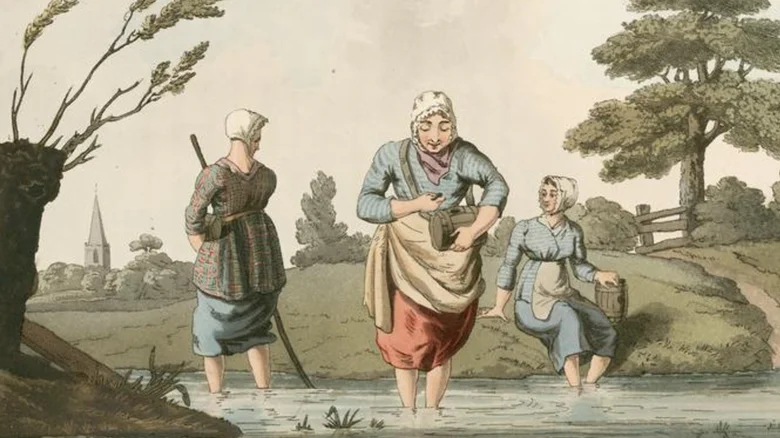
Before modern medicine, doctors used leeches as part of many treatments. Because of this, people needed workers who could collect these small creatures from natural areas.
Leech finding became one of the few jobs available to some women who wanted to earn extra income.
The work was difficult and uncomfortable. Women often walked into cold marshes and shallow water to collect leeches. The creatures attached themselves to warm skin, making the collection process challenging.
The job also carried health risks because working in wet environments could lead to illness or injuries.
During the 1800s, demand for medical leeches increased because many doctors believed bloodletting could help treat different health problems.
As medical science developed and doctors learned more about infections and modern treatments, the use of leeches became much less common.
Today, medicinal leeches are still used in some medical procedures, but they are carefully raised in controlled environments instead of being collected by workers in the wild.
These forgotten jobs show how much workplaces, technology, and healthcare have changed over time. Many of these roles were difficult and sometimes dangerous, but they also helped shape important improvements in worker safety, science, and medicine.
Match woman
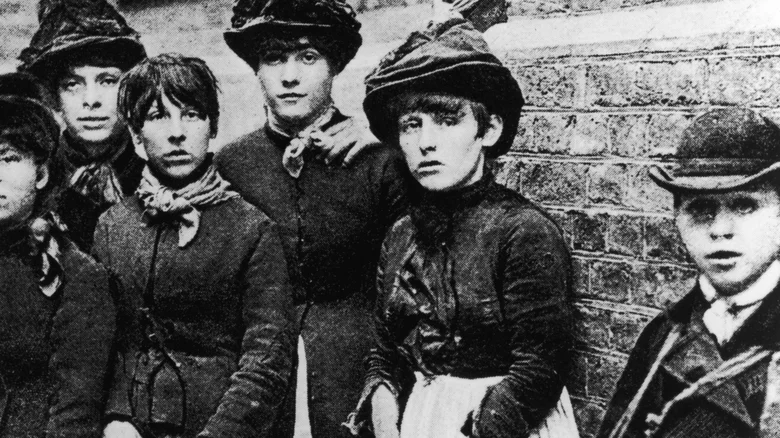
Before modern electricity and clean energy became common, people depended on candles and matches for light. The match industry became a major source of work, especially for women.
In the 1800s, many factories hired women to make matches. One famous factory in London employed hundreds of women, including many Irish immigrants.
However, the working conditions were extremely difficult. Workers often had long hours, low pay, and unsafe workplaces. Many factories used white phosphorus, a dangerous chemical that caused serious health problems.
Some workers developed a condition known as “phossy jaw,” which caused severe damage because of chemical exposure. Many women became sick, but companies often ignored their problems and continued production.
In 1888, journalist Annie Besant published an article that revealed the poor conditions inside the factories. The story gained public attention, and the workers decided to take action.
The women organized a strike and demanded better treatment. Their efforts gained support from the public and helped improve their working conditions.
The match women became an important part of labor history. Their fight helped encourage stronger workplace safety rules and worker rights in the future.
Necessary women
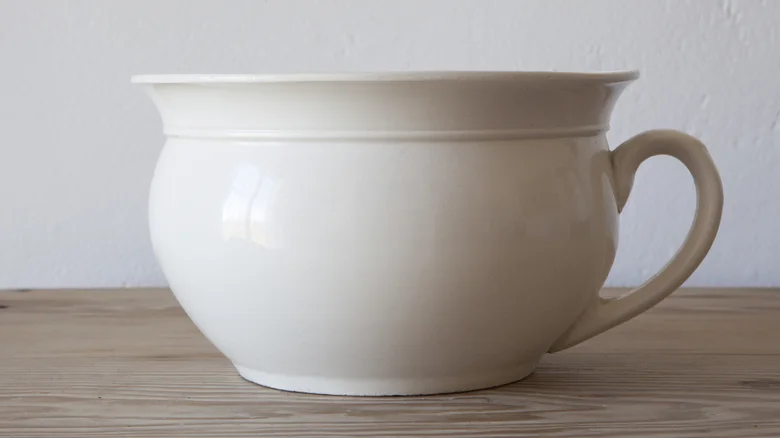
In the past, royal and wealthy households had many unusual jobs that no longer exist today.
During the 15th century, royal courts had positions connected to personal care and household duties. One such role later became known as the Necessary Woman.
The job involved maintaining private bathroom areas, cleaning chamber pots, and making sure everything was kept ready for members of the household.
While the role may seem unusual today, sanitation systems were very different hundreds of years ago. Many homes did not have modern bathrooms, so these workers performed an important daily task.
In wealthy households, women were often responsible for this type of domestic work. The job required constant attention because waste removal and cleanliness were major concerns.
As modern plumbing and public sanitation systems developed, the need for this role disappeared. By the early 1900s, improved bathroom facilities changed everyday life and made jobs like the Necessary Woman part of history.
Ornatrix slave
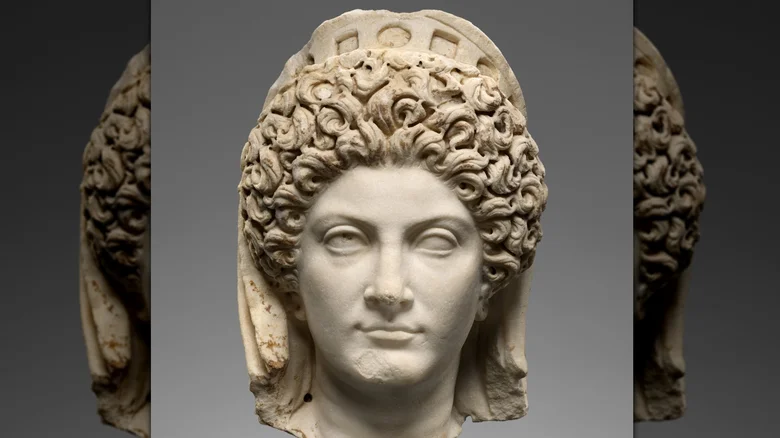
In ancient Rome, beauty and hairstyles were an important part of social status. Wealthy Roman women often had complex hairstyles that required special care.
This created a role called the ornatrix. An ornatrix was an enslaved woman who worked as a personal hair and beauty assistant for wealthy women.
The job involved styling hair, applying makeup, and helping with clothing and appearance. However, unlike modern beauty professionals, these women had no freedom because they were controlled by their owners.
Roman hairstyles could be very complicated. Some included large designs, curls, and decorative elements that required skill and patience.
Beauty treatments during that time were also very different from today. People used many unusual ingredients and methods to change their appearance.
An ornatrix had to complete these tasks carefully because mistakes could lead to punishment. Their work shows how beauty standards and personal care have changed throughout history.
Today, the beauty industry is built around professional careers, education, and personal choice. Looking back at the role of the ornatrix helps us understand how different life was in ancient societies.
These forgotten jobs show how work has changed over time. Some roles were created because of the technology, culture, and needs of their era, while others helped create important changes in workplace rights, safety, and society.
Rowing madam
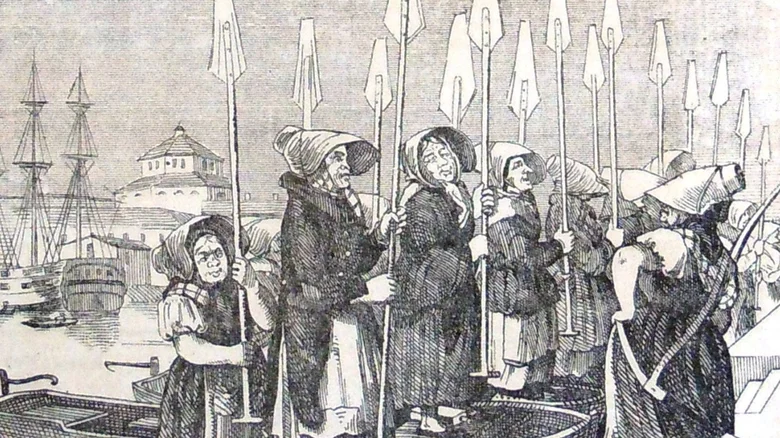
In the 17th century, traveling through Stockholm was not always easy. The streets were rough, so many people used the city’s waterways to move around.
The boats were often powered by women known as “rowing madams” or roddarmadammer. These women were strong, hardworking, and often supported their families through this job.
Each boat needed several women to row. The boats had to be clean, safe, and properly managed. The workers were also expected to follow rules about good behavior.
For almost 200 years, these women played an important role in Stockholm’s transportation system. They controlled many of the city’s waterways and provided a valuable service.
In the 1800s, new competition appeared when others wanted to start their own boat services. The rowing women joined together and wrote a formal request asking officials to protect their work.
Their efforts were successful, and many women continued operating boats for years. However, as steam-powered ferries became more popular, the rowing madam profession slowly disappeared.
Today, these women are remembered as an important part of Stockholm’s history and as an example of hardworking women in transportation.
Vestal Virgin
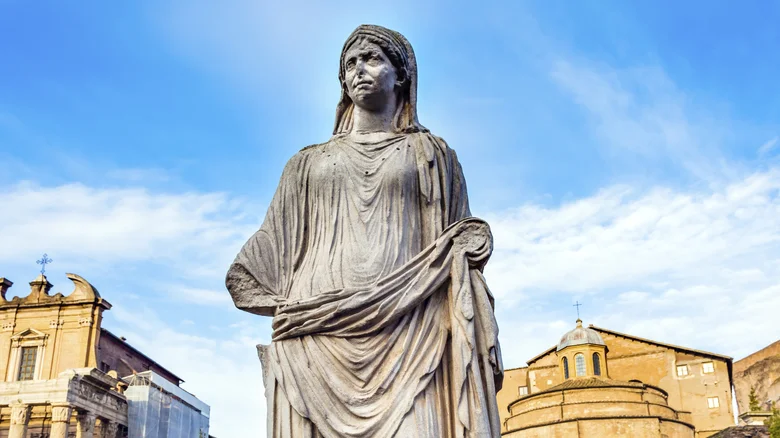
In ancient Rome, some young girls were chosen for a very special religious role called the Vestal Virgin.
Girls between the ages of 6 and 10 from respected Roman families could be selected to serve the goddess Vesta. Their main duty was protecting the sacred fire, which was believed to be important for Rome.
There were usually six Vestal Virgins at a time. Although they had strict rules to follow, they also had special rights and social importance.
They could own property, manage their finances, and receive respect from Roman society. After completing their 30-year service, they could leave the role and choose a different life.
However, the position also came with serious responsibilities. If a Vestal Virgin failed to protect the sacred flame or broke important religious rules, the punishment could be severe.
The story of the Vestal Virgins shows how ancient societies connected religion, power, and the lives of women.
Switchboard operator
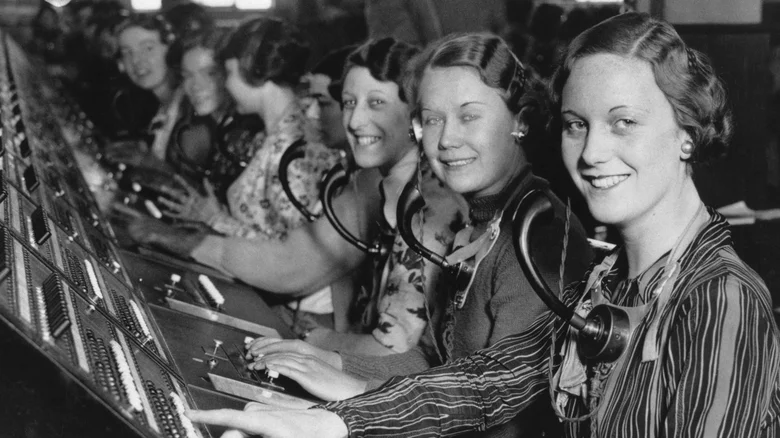
Today, making a phone call is simple. But in the early days of telephones, people needed another person to connect their calls.
These workers were called switchboard operators, and many of them were women.
At first, young men worked as telephone operators, but companies later hired women because they believed women were more patient and polite with customers.
The job was considered a good opportunity compared to many other jobs available to women at the time. However, workers still faced strict rules and lower pay compared to men.
Becoming a switchboard operator required training, good communication skills, and careful attention. Workers had to connect hundreds of calls every day using manual equipment.
The job could be stressful because operators worked long hours and handled a large number of calls.
By the middle of the 20th century, hundreds of thousands of women worked in telephone services. They helped build the early telecommunications industry and supported improvements in workplace rights.
As technology improved and automatic phone systems became common, switchboard operators were no longer needed. However, their work played an important role in the history of communication.
Vivandiére
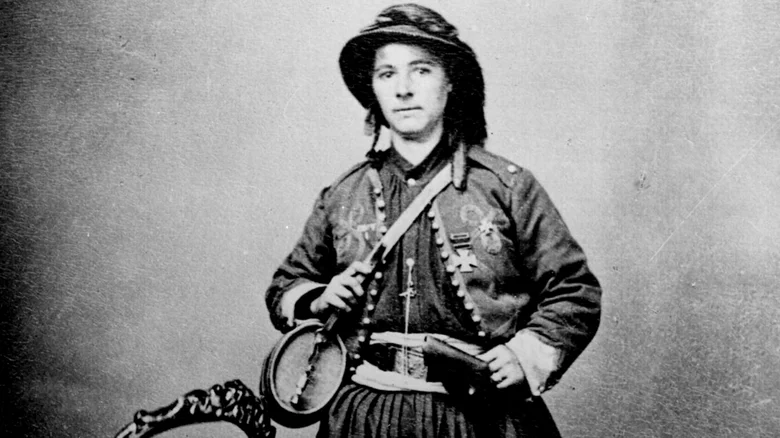
Throughout history, women have supported military efforts in many different ways. One example was the vivandiére, also known as a cantinière.
These women first became common in 18th-century France. Their job was to provide supplies to soldiers during military campaigns.
They carried food, drinks, medical supplies, and other important items. They were like mobile supply workers who followed armies during difficult conditions.
Vivandiéres wore special clothing that helped identify their role. They were respected because they helped keep soldiers healthy, supported morale, and provided assistance during battles.
Some of these women also helped care for injured soldiers and worked as battlefield medical helpers.
During the American Civil War, women in similar roles supported both sides of the conflict. Some became known for their bravery and dedication.
Over time, military systems changed, and these roles became less common. However, vivandiéres remain an important example of women who contributed to military history.
These forgotten jobs show how women have played important roles in transportation, communication, religion, and military support throughout history. Many of these careers disappeared, but the stories behind them continue to show courage, skill, and determination.