
Vacation Turns Into Life-Changing Surprise As Woman Steps Off Plane In India Into An Arranged Marriage
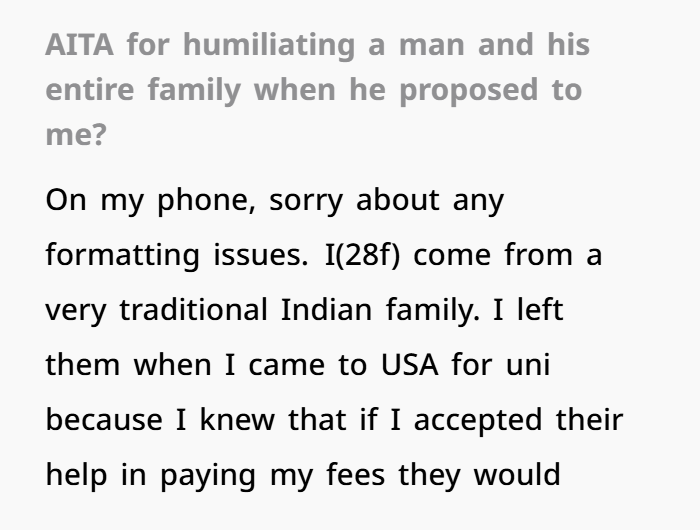
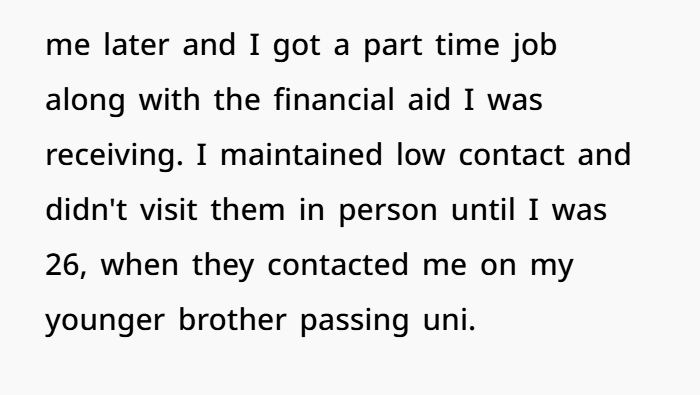
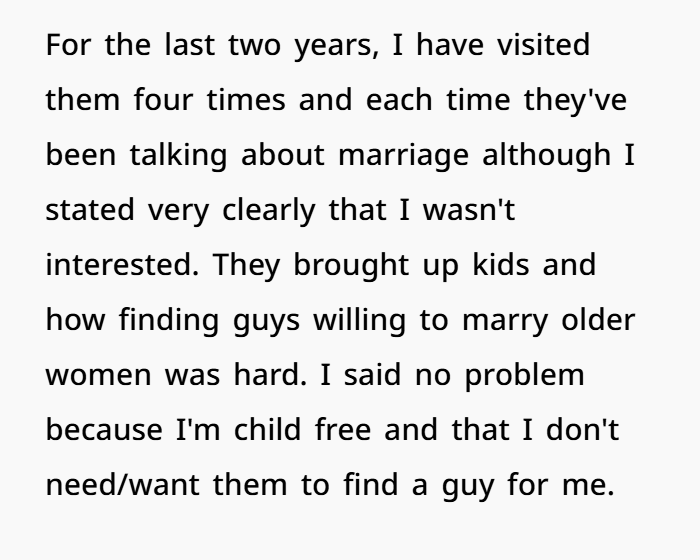
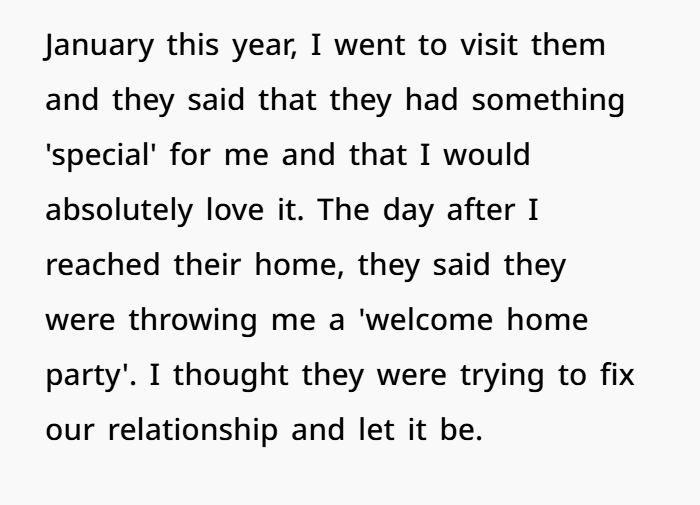
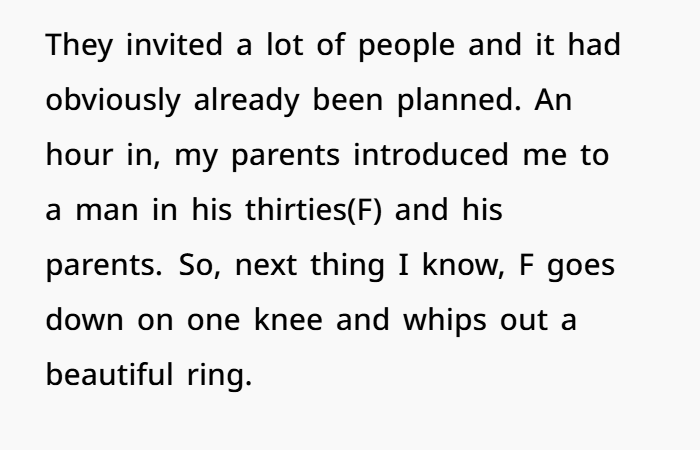
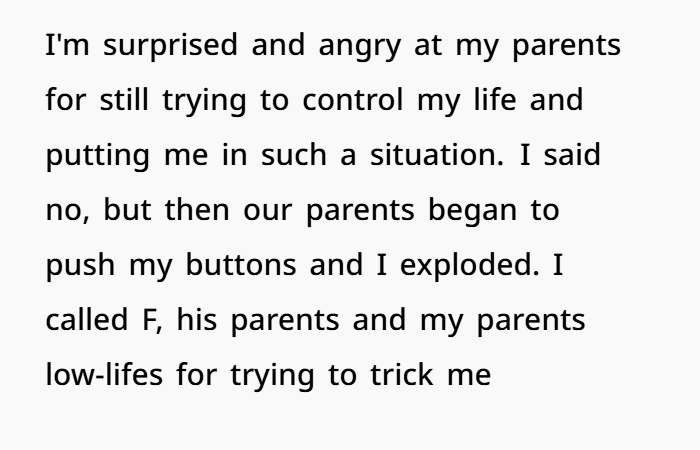
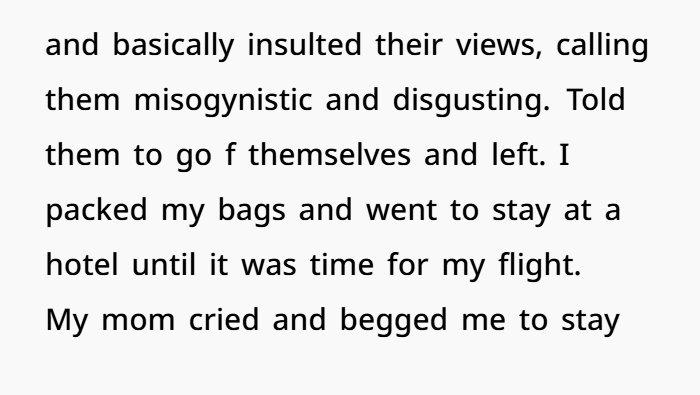
In this intense AITA story, a 28‑year‑old woman from a traditional Indian family shares how a surprise “welcome home party” turned into a forced proposal event. She’d moved to the USA for college, cut financial ties with her family to keep independence, and clearly said she wasn’t interested in marriage. But during a visit, her parents sprung a party, introduced her to a man, and he proposed — all without her consent. Shocked and angry, she exploded with harsh words, calling everyone involved misogynistic and disgusting before leaving.
The fallout has been dramatic. Her parents are begging, her extended family says she was too rude, and now she’s questioning if she went too far. But there’s a deeper story here about cultural expectations, boundaries, and choosing autonomy over tradition. This situation highlights how forced proposals and family pressure can cause emotional damage, and how one person’s reaction — however sharp — can be a response to deep disrespect rather than just rudeness.
A surprise party is usually a welcome gesture, unless the surprise is your own arranged marriage

After years of rejecting her parents’ attempts to find her a husband, a woman was ambushed at her own “welcome home” party
Let’s break this down with all the nuance — cultural pressure, forced proposals, autonomy, and the emotional wreckage that follows. This isn’t just “rude reaction” — it’s the result of years of tension and misunderstanding.
Cultural Expectations + Modern Independence
One of the big themes in this story is the clash between traditional Indian culture and modern Western independence. In many Indian families, arranged marriages or introductions are normal. But the OP made it clear years ago that she didn’t want that life. She chose to leave her family to study in the US, pay her own way, and build a life that didn’t involve dependency on her parents.
That context changes everything. This wasn’t just a surprise proposal — it was a breach of trust. Her parents knew where she stood about marriage and kids. They knew she valued her autonomy. Yet they orchestrated a situation where she’d feel trapped and pressured to say yes.
Being introduced to someone — especially by your parents — already sets a certain expectation in traditional families. And when they bring in a ring and kneel, it’s not just a question — it’s a ceremony. That’s a power move, especially when the person being proposed to isn’t expecting it and definitely didn’t ask for it.
So when OP exploded, it wasn’t just anger at the moment — it was the culmination of years of cultural pressure, power plays, and repeated disrespect.
Surprise Proposals and Consent
Here’s an important piece: a proposal should never be a surprise in the sense of not knowing the person at all. Surprise proposals are romantic in movies because the couple usually already has a mutual understanding about their relationship and marriage. But proposing someone you barely know — especially someone who has repeatedly expressed she doesn’t want marriage — that’s not romantic. That’s coercive.
Let’s think about consent here. Consent isn’t just about sex or physical things. It’s also about emotional boundaries. You need consent to ask someone life‑changing questions in situations where they’re pressured by family, tradition, and public attention.
The OP’s parents didn’t ask her if she was comfortable meeting someone with the intention of marriage. They assumed she’d conform. That’s a huge violation of her personal boundaries.
No wonder she snapped.

Reaction vs. Intent — Was She Too Harsh?
Yes, OP did use harsh words. She called the man, his parents, and her own “low‑lifes” and dropped some strong insults. But let’s unpack that with some real talk.
When people feel ambushed, the brain’s fight‑or‑flight gets activated. You go into defense mode. This wasn’t a simple misunderstanding — it was a set‑up by the people who should have respected her choices. That kind of betrayal can trigger strong language and emotional outbursts.
It doesn’t make her perfect, but it does make her reaction understandable.
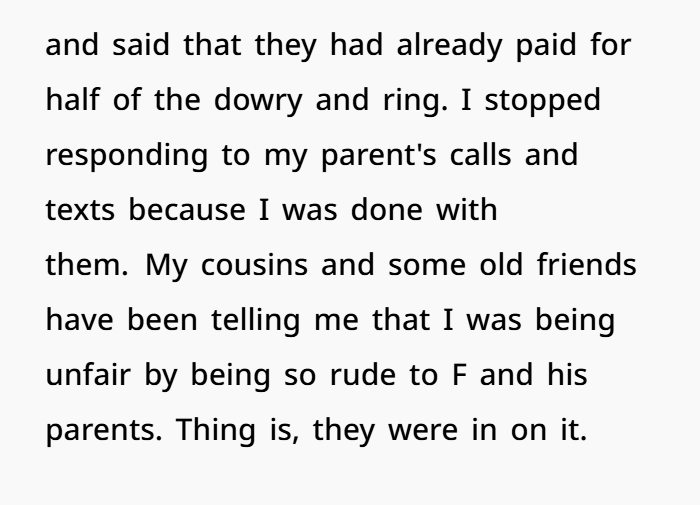
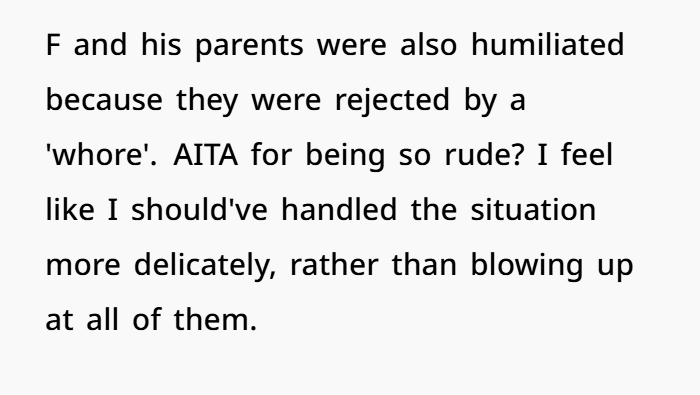
Her cousins and friends are saying she was unfair. But think about this: disrespect builds up over time. You don’t explode at someone for no reason — you explode when your limits have been ignored again and again.
And she didn’t just insult the guy — she insulted the idea of enforcing unwanted cultural norms through manipulation. That matters.
Family Honor and Social Humiliation
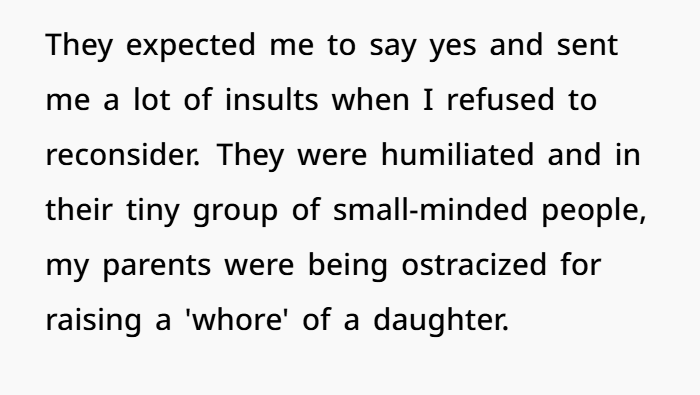
Here’s the part that’s causing the biggest backlash in her community: her parents are now “ostracized” and the man’s family is embarrassed. In many traditional cultures, public rejection translates into shame.
But here’s a twist — the shame shouldn’t be on the OP. The shame is on the adults who decided it was acceptable to trap someone into a life decision she clearly didn’t want. They expected her to just comply — to give up her autonomy, money, career, and move to India. That’s a huge life jump. It’s not a small thing like choosing dinner.
Families sometimes think honor depends on forcing conformity. But in real psychological terms, forcing someone into life changes they reject causes trauma and resentment — not honor.
So the humiliation felt by the other families is more about their own expectations being shattered, not about OP being rude.
Emotional Weight of Past Rejection
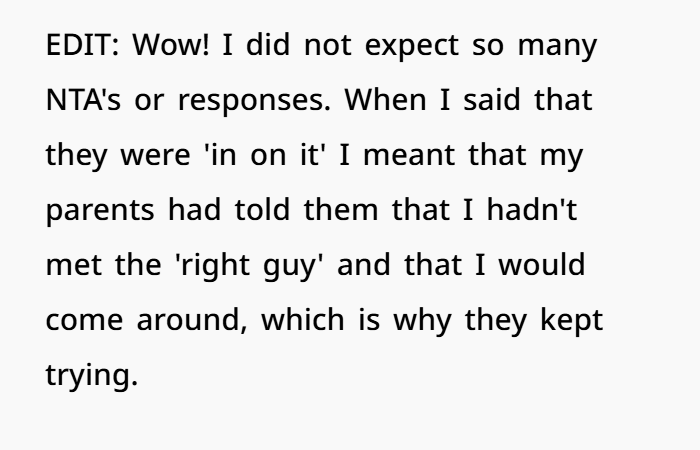
It’s important to note something else: OP has a history of being pushed against her will. When she wanted to go to college, her parents tried to stop her. They even contacted her university claiming she wouldn’t attend. She had to fight just to get there.
That kind of history builds emotional scars. You don’t accidentally explode — you explode because this wasn’t the first time your choices were dismissed.
So when she reacted strongly, it wasn’t just about that moment. It was a response to all the times her autonomy was challenged.

The Aftermath — Cutting Ties
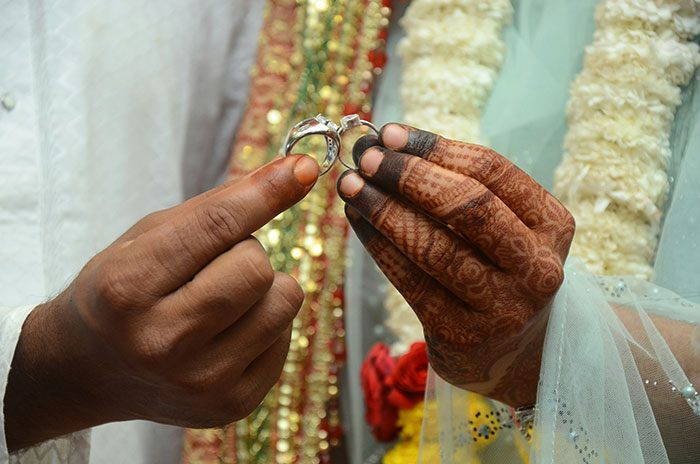
OP made a decision to stop responding to her parents and reject their calls. She revealed she’s engaged to her girlfriend of five years and won’t let her family attend the wedding.
Some people might say that’s harsh. But let’s consider her perspective. Her parents didn’t just disagree with her life choices — they tried to override them. In doing so, they showed disrespect for her identity, values, and most intimate relationships.
When someone repeatedly violates your boundaries — especially people who claim to love you — cutting ties isn’t cruelty. It’s self‑preservation.
This is an important keyword here: emotional boundaries. Humans have the right to protect their mental health. Weddings don’t need to include people who’ve tried to sabotage your love life.
Broader Takeaways
This story connects to a few deep lessons:
- Cultural pressure vs. personal choice: You can respect your culture while still demanding respect for your own life choices.
- Forced proposals are disrespectful: A proposal should be a mutual step, not a family performance aimed at conformity.
- Boundaries matter: When people ignore your boundaries repeatedly, you have a right to enforce them — even if that means ending relationships.
- Not everyone will see your side: Some people will judge your reaction without seeing the history underneath.
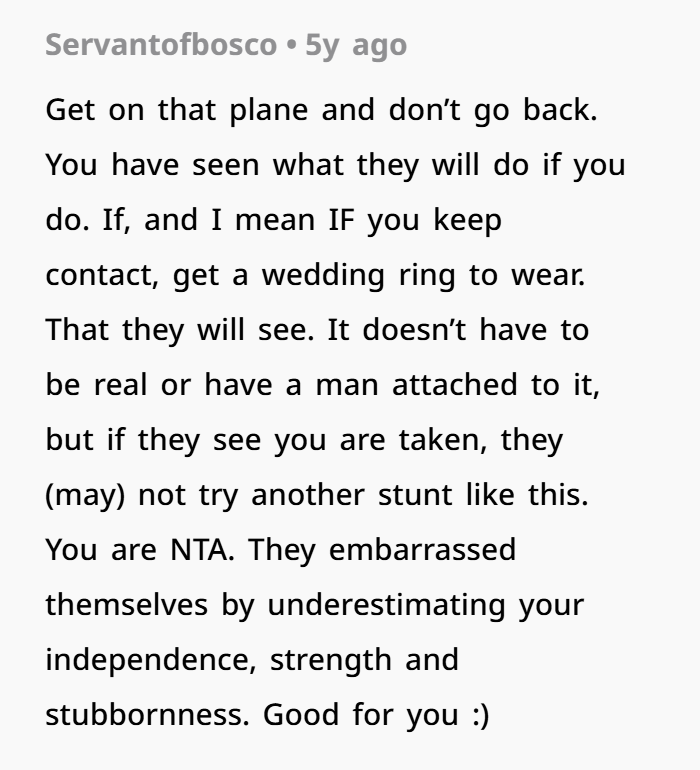
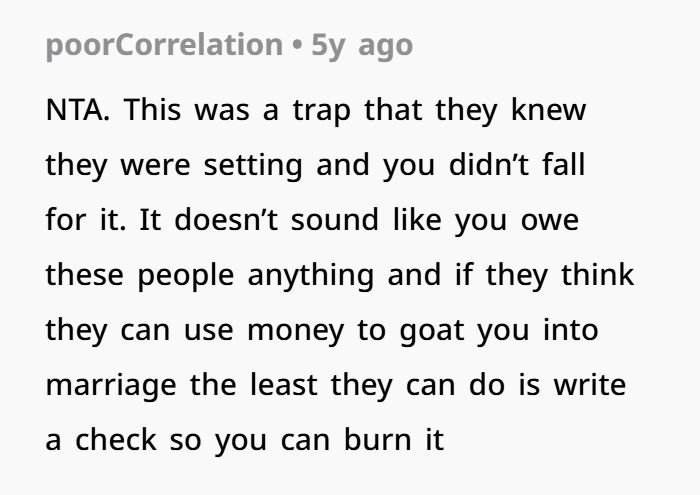
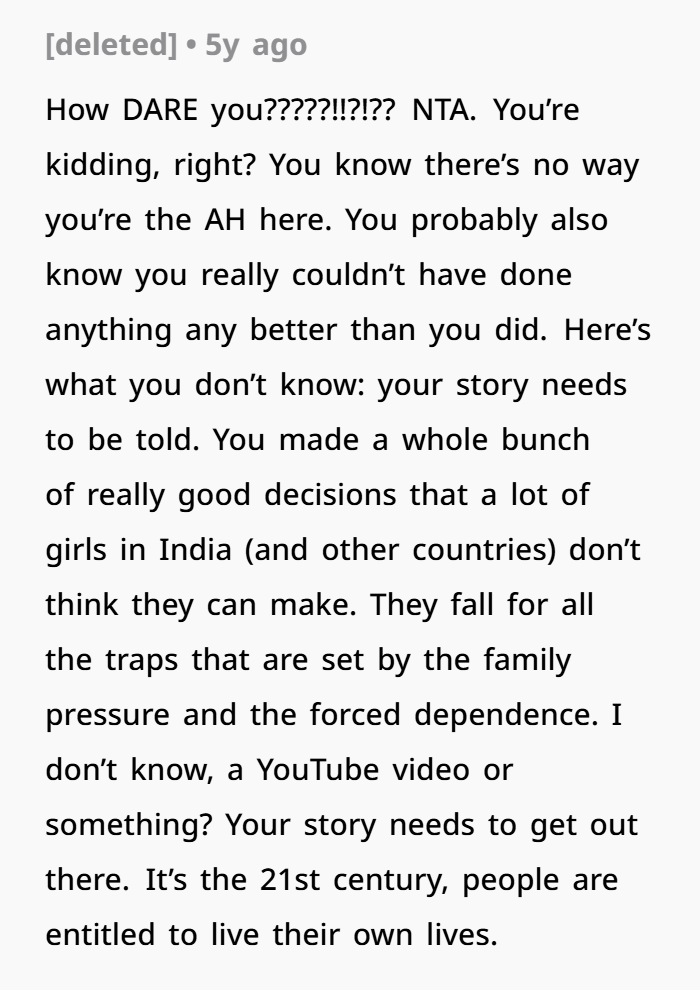
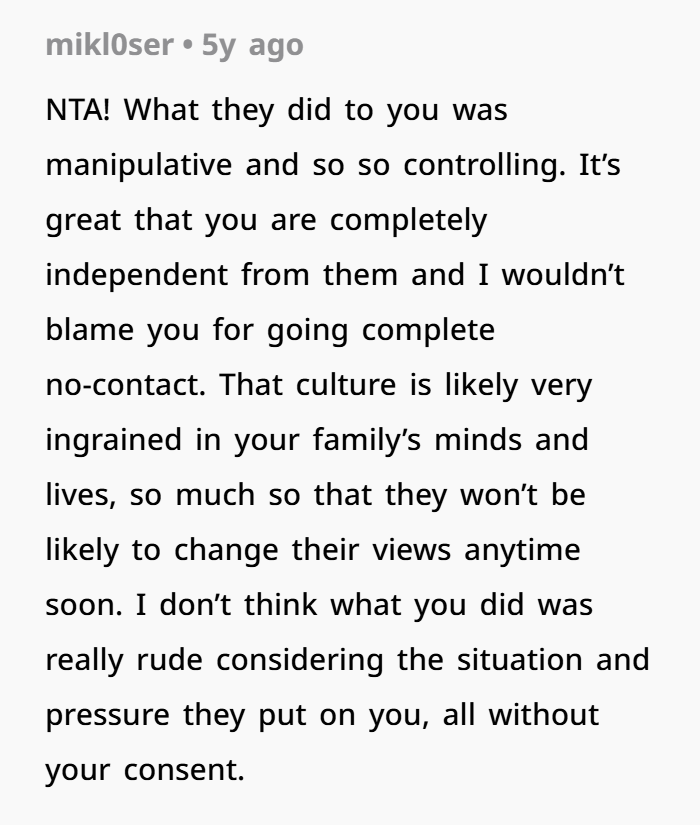
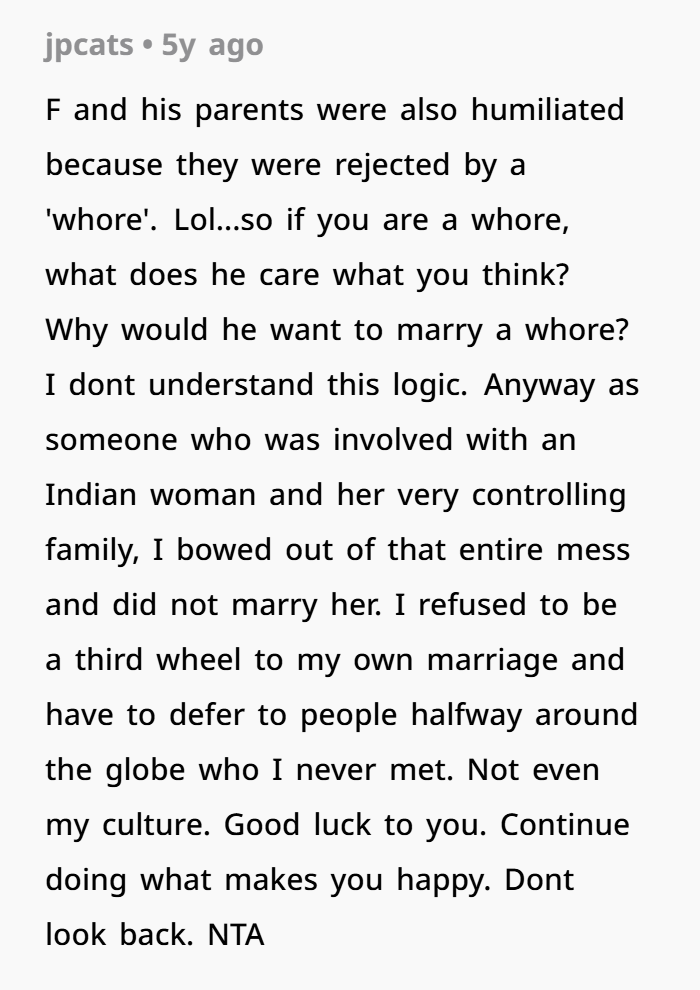
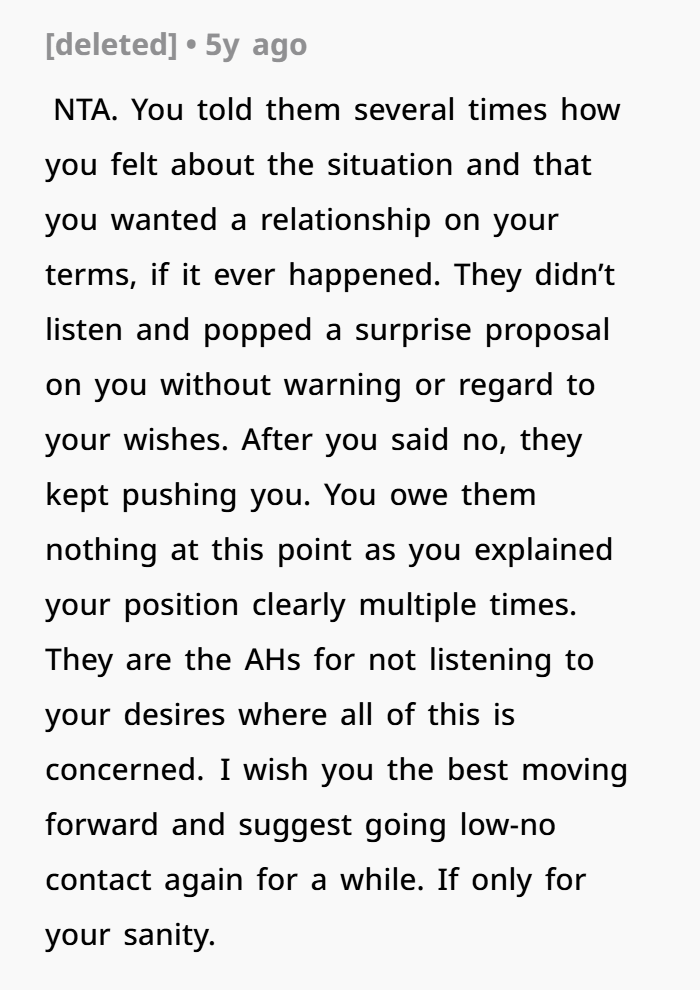
The internet erupted in applause for her explosive, but completely justified, rejection, urging her to forge her own life separately from theirs

So Is She the A**hole?
In Reddit terms, she’s NTA (Not the Ahole)**. Her reaction might have been emotionally charged, but it came from a place of deep disrespect and coercion. She clearly communicated her stance on marriage many times. Her parents and the proposing family chose to ignore that consent and push their agenda.
That’s not harmless matchmaking — that’s manipulation.
Sometimes, the only way to stand up for your autonomy is to push back hard.