When “I’ll Pay” Means “You Pay”: The Christmas Dim Sum That Burned Me
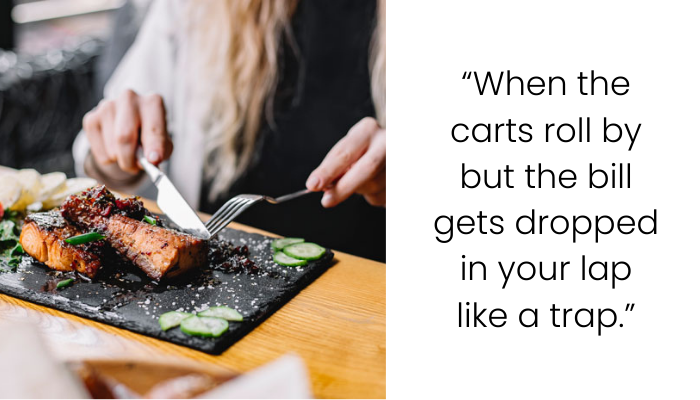
Back in 2013, we agreed to spend Christmas day out for dim sum with my brother (EB), his wife (SIL), their kids and his mother-in-law. It felt like a nice compromise: everyone free on Christmas, kids happy, food plenty. We thought we’d split — they’d cover their portion, we’d cover ours.
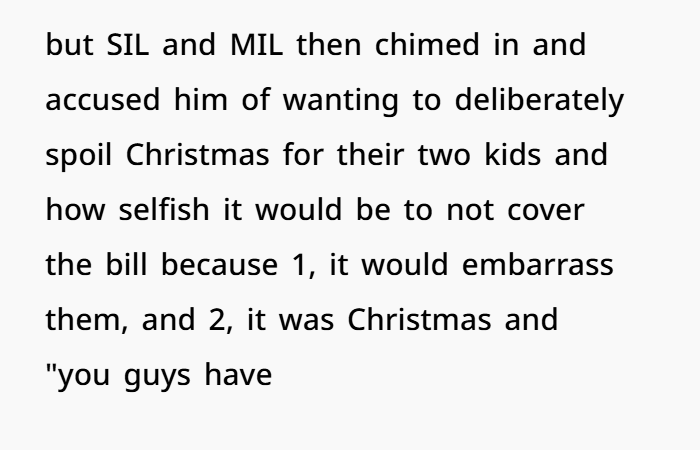
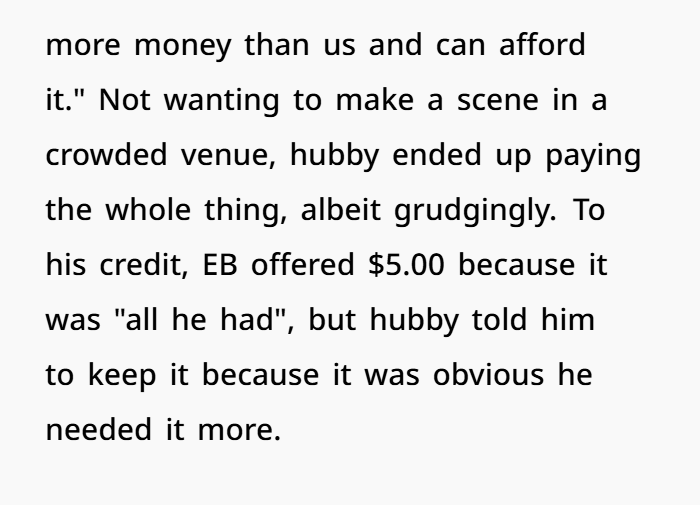
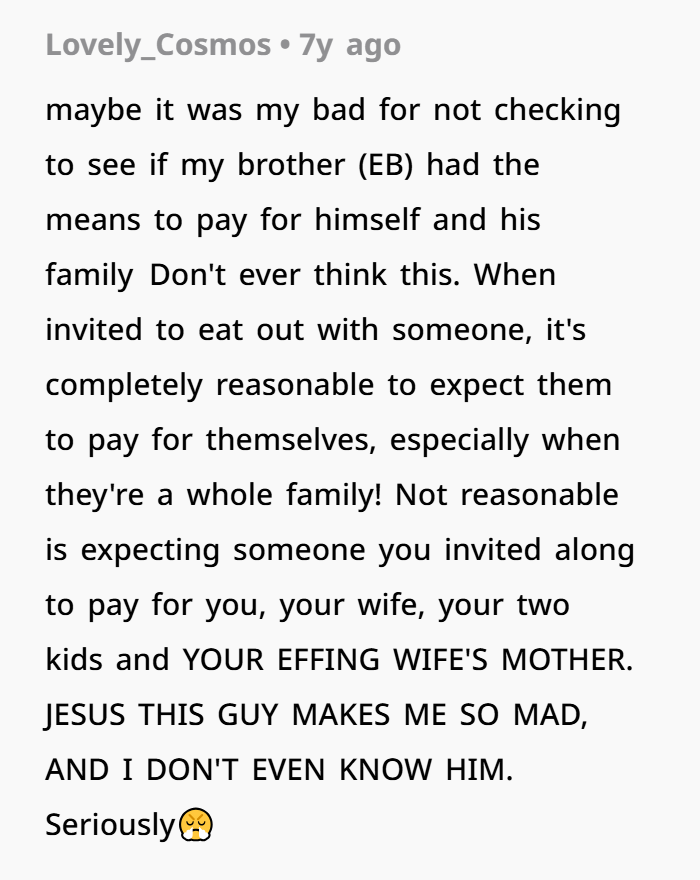
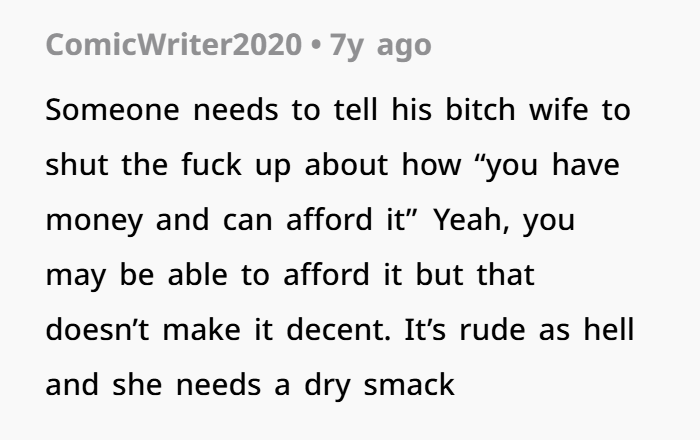
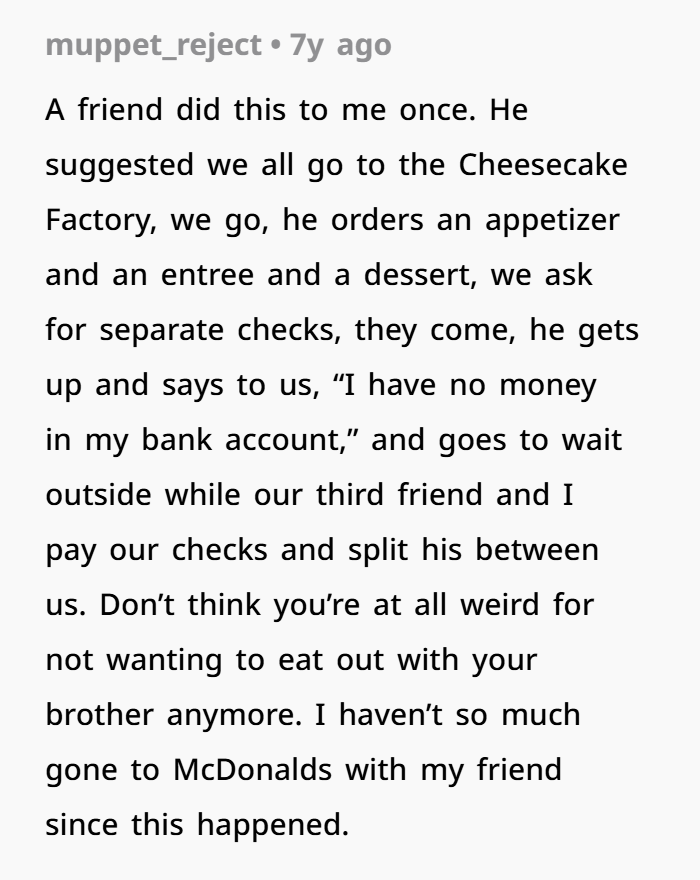
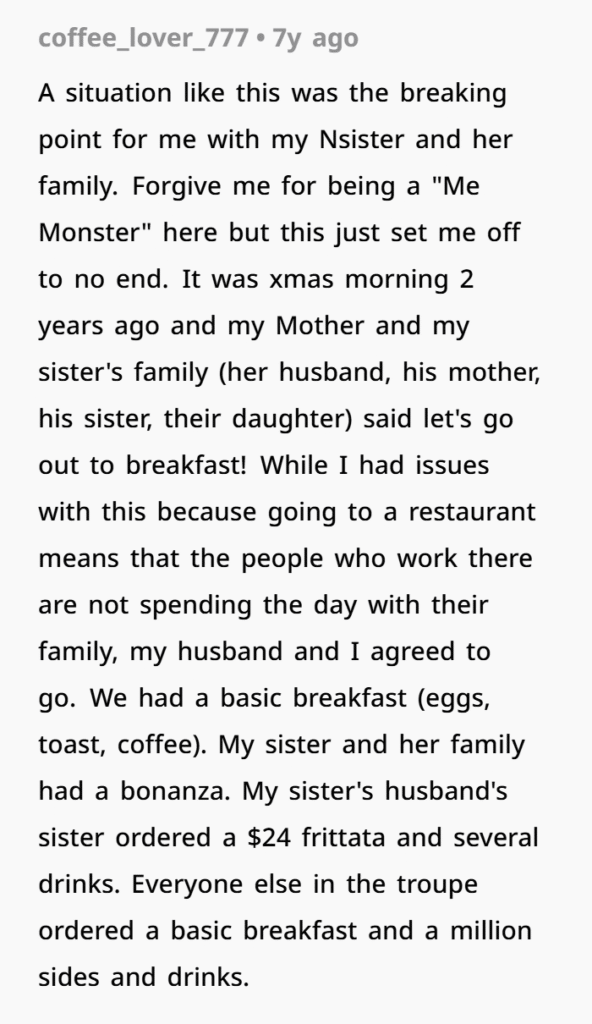
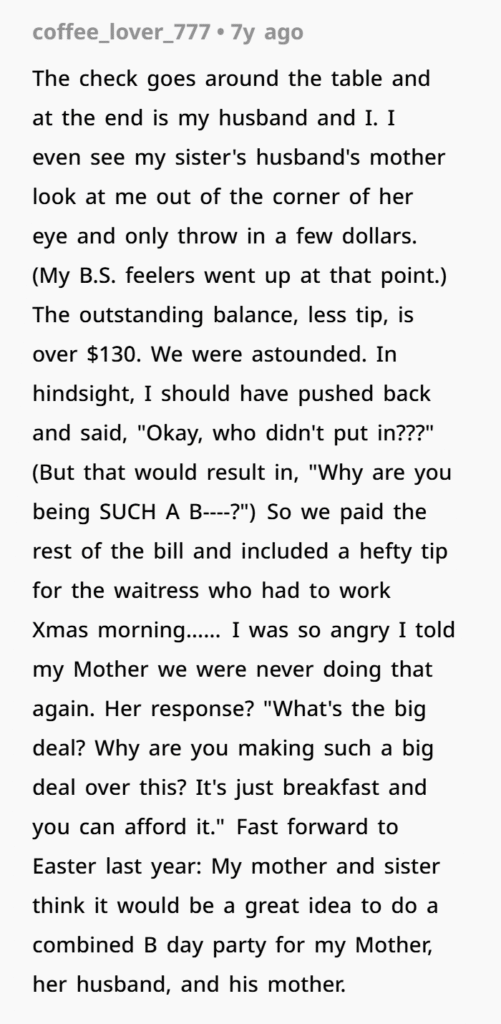
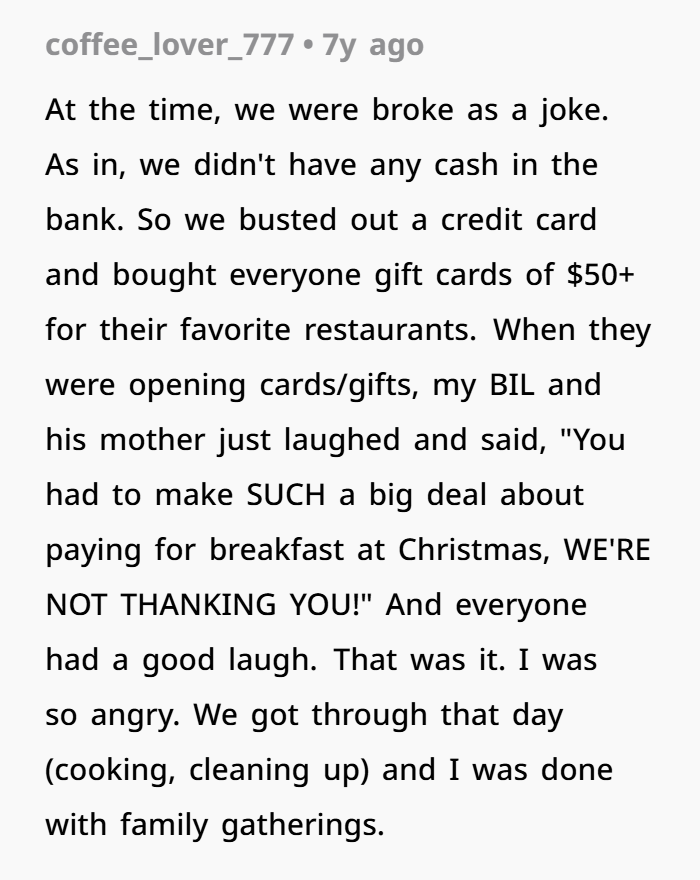
But when the bill came, EB politely informed the pay desk he had no money and his cards were maxed out. SIL and MIL jumped in, guilt‑tripping my husband by claiming he had “more money than them,” that he’d ruin Christmas for their kids if he didn’t pay. So with kids eagerly watching, and the restaurant packed, my husband — Mr. Patience — swallowed the pressure and paid for all seven of us. EB offered five bucks as a “contribution,” and that was that. Since then, we never trusted their dinner invitations again.
Having a Christmas Day meal with one’s family is a lovely idea
But one woman ended up realizing that her entitled relatives were perfectly happy make her husband foot the bill
Look, we all want to help when family’s in tough shape. But there’s a difference between genuine support — and manipulation dressed up as pity. What happened at that dim‑sum table? It wasn’t generosity or holiday cheer. It was a setup. And the guilt tactics used? Classic emotional blackmail.

🎭 Guilt, Manipulation and the “Holiday Excuse” Trap
In family and social dynamics, guilt can be a powerful pressure tool. When someone sets a situation up so that refusing them seems selfish — especially if kids are involved or there’s a “holiday spirit” theme — it becomes emotional manipulation, not mutual generosity. mypeoplepatterns.com+2Healthline+2
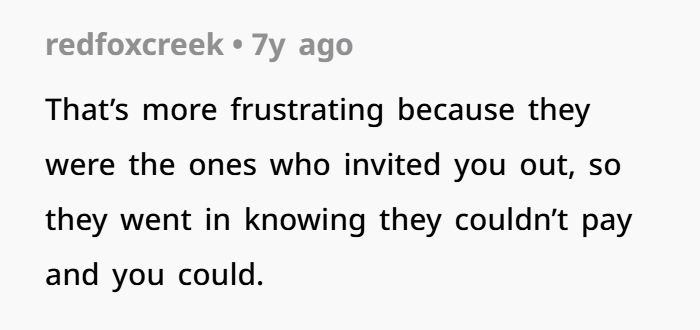
Your brother invited you all, so likely he assumed or expected you to pay. But since no upfront discussion about who’d pay, the default social assumption should have been that everyone pays their own way (or that the inviter explicitly covers). When EB showed up empty‑handed and let others guilt‑trip your husband into covering — that’s using social pressure to avoid accountability. That counts as manipulation.
In psychology, this behavior fits under what’s often called “emotional blackmail” — using guilt, obligation, or fear to control someone’s actions. Wikipedia+1
It’s not just about one meal. It’s about ignoring mutual respect and boundaries, using shame and obligation as leverage.
Why Enabling Doesn’t Help — It Encourages Dependence
By paying their full bill under pressure — instead of offering once‑off help or a loan with terms — your husband ended up “bailing them out.” Repeated bail‑outs like this reinforce irresponsible behavior. There’s no incentive to plan ahead. No lesson in budgeting. Just a pattern: “No money now? That’s fine — someone else will cover.”
This kind of enabling often leads to continued financial dependency, and it prevents the person from learning responsibility or accountability. Experts in family finance boundaries warn that when support becomes automatic and unconditional, it breeds dependency and resentment. Nerd’s Eye View | Kitces.com+1
Over time, what feels like kindness can morph into burden. The “helper” ends up stressed, financially strained, and emotionally depleted. The “helped” never learns to stand on their own.
Family, Money, and Emotional Labor — Boundaries Need to Exist
Families are supposed to support each other — but that doesn’t mean financial fairness and respect get thrown out the window. When adults bring their kids to dinner and expect relatives to pay quietly, that’s not just generosity. That’s emotional labor. It drains, especially for the person who ends up paying.
Your husband did more than just pay a dinner bill. He took on the financial burden. On top of that — likely felt the weight of guilt that came with refusing: “Look at the kids. You’re ruining Christmas.” That’s the kind of emotional blackmail manipulative people use to get what they want. And over time, it erodes trust, creates resentment, and impacts self‑worth. Healthline+2TalktoAngel+2
Boundaries aren’t about cutting people off — they’re about fairness. It’s okay to say: “Let’s each pay our part.” It’s okay to ask “Do you have money this time?” before you sit down. It’s also okay to say no next time. Because nobody should guilt‑trip your kindness or use kids/holidays as tools to force you into paying.
When “Family” Becomes “Freeloaders” — And Why It’s Toxic
We see it again and again. One unpaid meal becomes two. Then a few months later, sudden “needs,” “emergencies,” “no money,” “bad luck.” Each time, someone — often the same person — ends up covering. Some family members never seem to get back on their feet. There’s no accountability. No budgeting. Just expectation.
This pattern often shows signs of codependency — where one person enables another’s irresponsible behavior, sometimes out of guilt, sometimes out of a sense of obligation. Over time, that hurts both parties — the enabler loses resources, the dependent loses incentive to fix their situation. Avery Lane Womens Rehab+1
At a deeper level, it also hurts relationships. That sense of “I only hang out with them when I pay” builds resentment. Later, even small requests from either side feel like loads. Family dinners should bring closeness — not indebtedness.
“Generosity” vs. “Rescue” — Know the Difference
There’s a big difference between offering to help someone — like lending them some cash when they’re genuinely down — vs. rescuing them from consequences caused by their own bad planning. The first is kindness. The second is enabling.
If your brother had just asked: “Hey, can you spot us this once? We’ll repay you soon,” that’s fine. You choose whether to do it. But doing that without discussion — especially after inviting everyone out — and then guilt‑tripping you with “It’s Christmas, you have means” crosses the line. That pushes it from generosity into manipulation and entitlement.
Boundaries help keep generosity healthy. Without boundaries, you’re giving up more than money: your peace, your fairness, your dignity.

What You Did Right — And What I Think You Should Do If It Happens Again
You and your husband trusted your gut. You walked away when the bill came and the guilt game started. That was smart. It kept you from paying more than your share — more than you were comfortable with.
If it happens again, be direct — before the food arrives. Say something like: “Let’s split the bill as discussed,” or simply, “We’ll each pay our way.” No room for guilt trips — especially when kids and holidays are used as leverage.
If they react with anger or shame, that reveals more about them than you. Setting a boundary isn’t mean — it’s adult. It’s honest. It keeps relationships real.
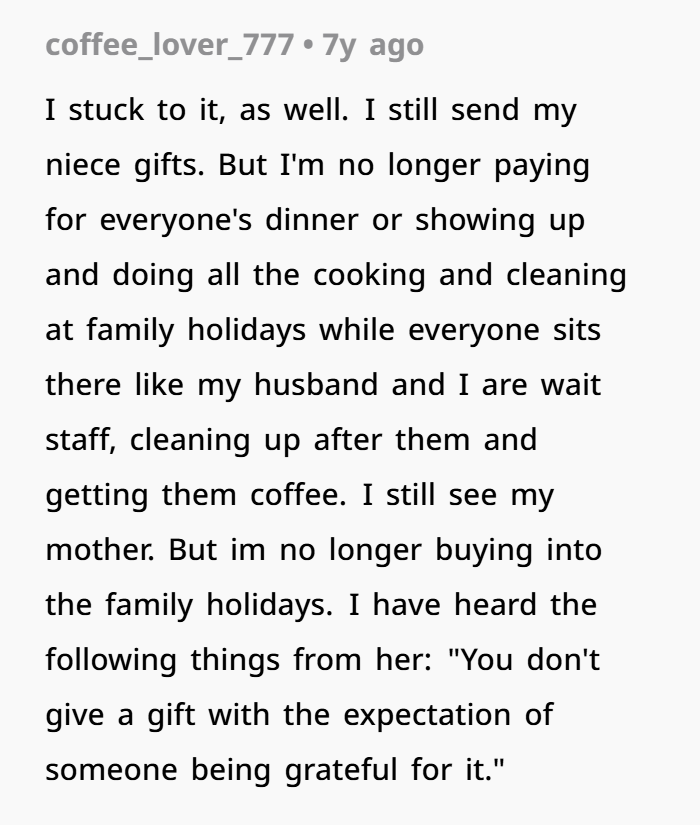
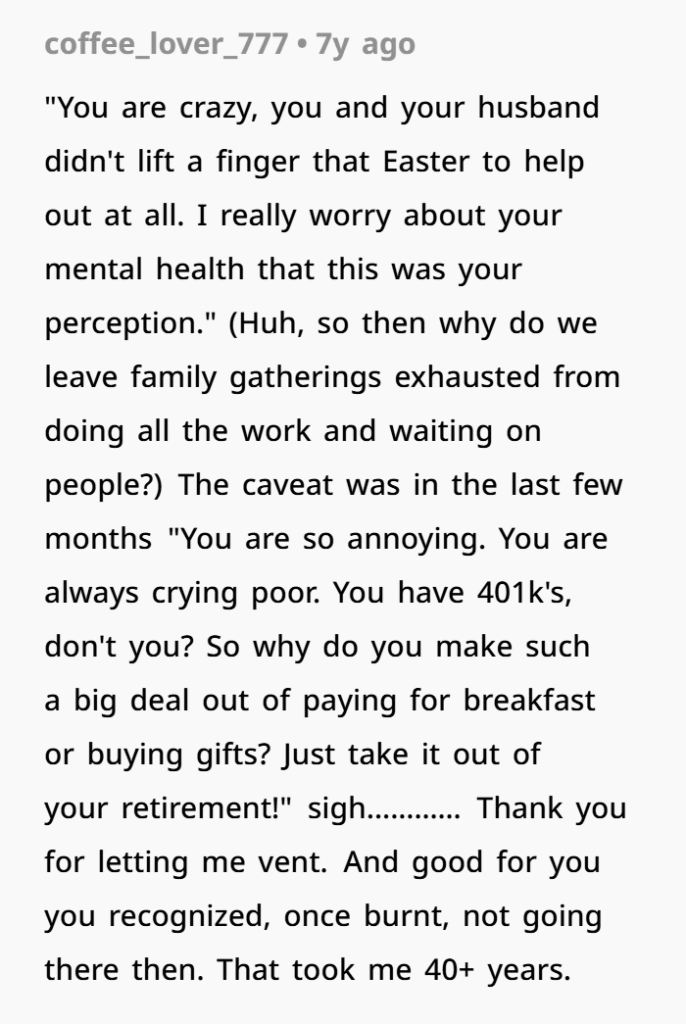
Readers wanted more info

You weren’t being cheap. You were being fair. And in a world where “but we’re family” often becomes a catch‑all excuse for debt, unfairness, or emotional pressure — fairness matters.
Next time you grab dinner with “family,” maybe a quiet question before ordering: “Who’s paying?” That simple moment can save you from becoming the next victim of the guilt‑trip scam.