My Son Cheated on His Wife with Her Best Friend, and I Told Him He Was a Disappointment

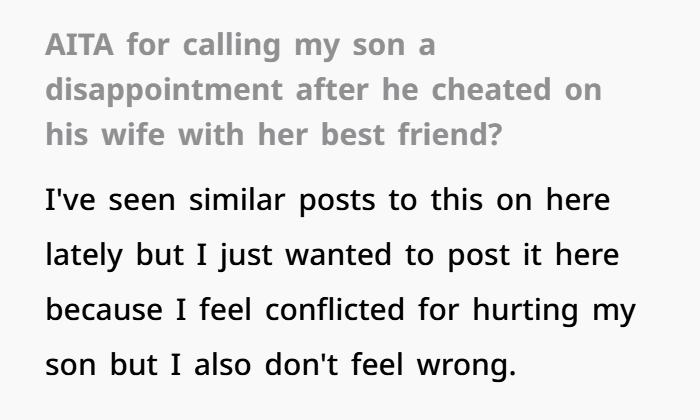
Infidelity can create a lot of pain and difficult emotions, especially when it affects a family. This story is about a mother who felt deeply hurt after learning that her son had cheated on his wife with her close friend.
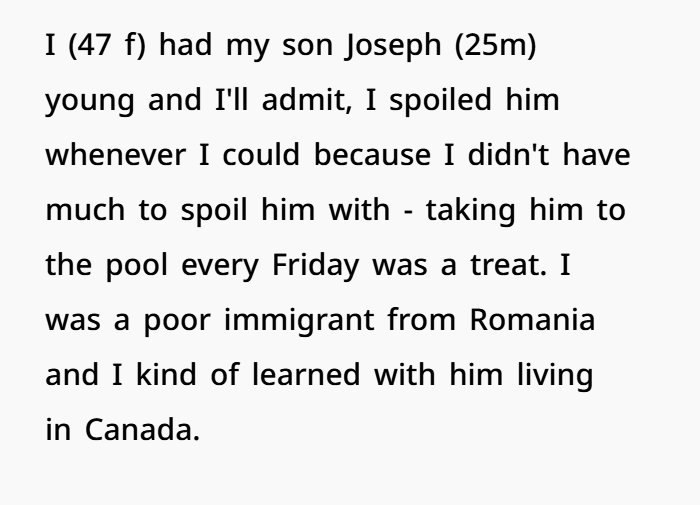
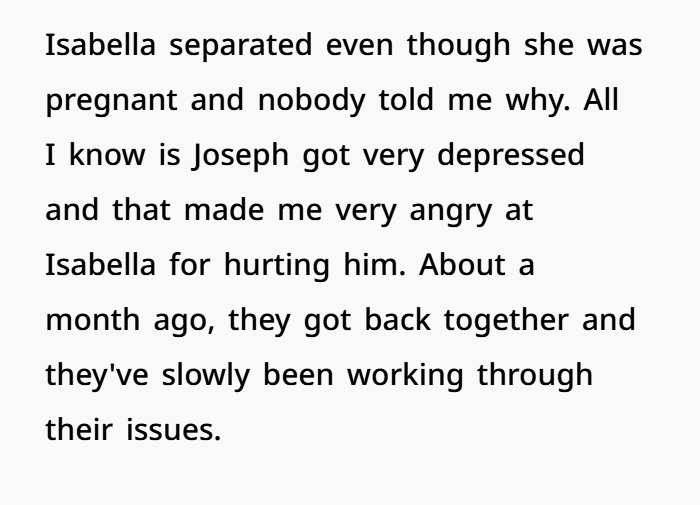
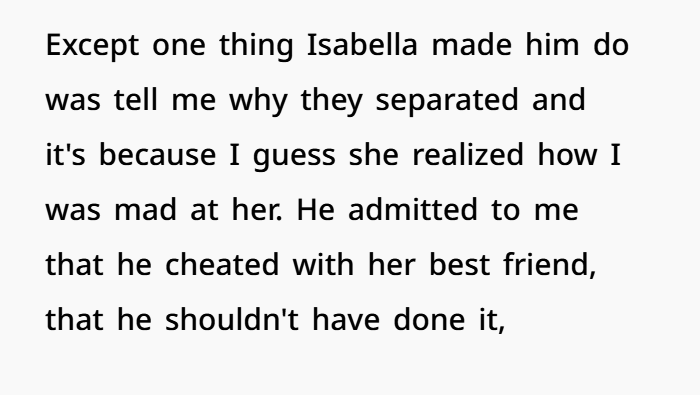
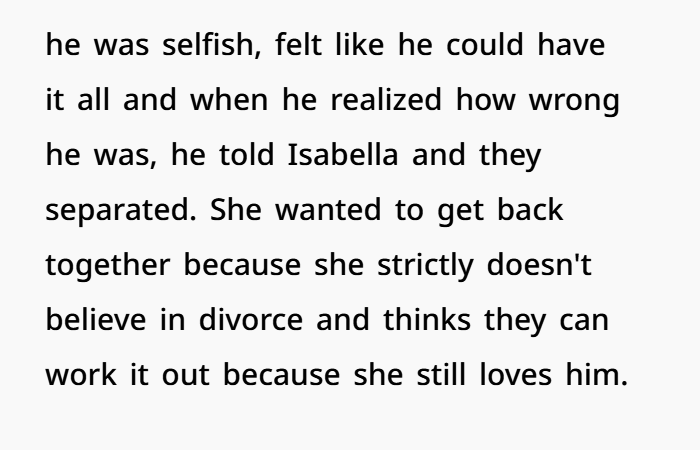
Her son, Joseph, is 25 years old and was married to Isabella, someone his mother cared about and respected. After the couple went through a short separation, Joseph admitted that he had an affair. He felt sorry for his actions and wanted to fix the damage he had caused.
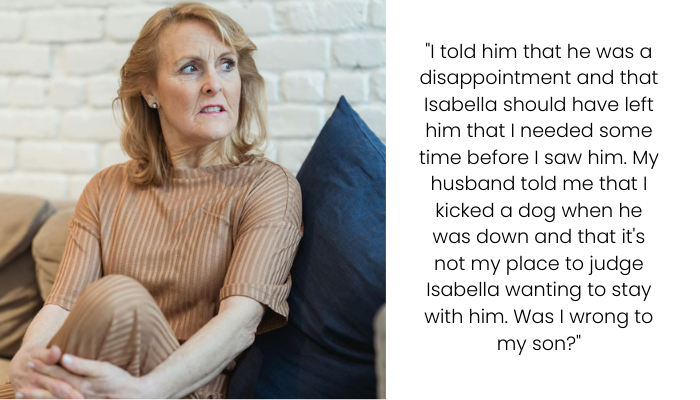
When Joseph told his mother what happened, she became very upset. She felt disappointed because she believed he had hurt someone who trusted and loved him. In that emotional moment, she told him that she was disappointed in him.
Now the mother is thinking about whether her reaction was too harsh. She still loves her son, but she also struggles with the choices he made. She wants to support him while also making it clear that his actions had consequences.
Situations involving cheating, marriage problems, and family relationships can be very complicated. Loved ones often feel caught between showing support and holding someone responsible for their actions. Honest conversations, accountability, and personal growth can help families handle difficult moments.



When a Family Member Cheats: Understanding Betrayal, Accountability, and Forgiveness
Cheating can deeply hurt a relationship.
The pain does not only affect the couple. It can also affect family members who care about both people involved.
For a parent, watching their child hurt someone they love can be extremely difficult. They may feel angry, disappointed, and confused because the situation goes against the values they tried to teach their child.
This story shows how infidelity can affect marriage, family relationships, and trust.
A Mother’s Reaction to Her Son’s Mistake
When Joseph told his mother that he had cheated on his wife, she was shocked.
She had always cared about Isabella and considered her an important part of the family. She loved Isabella and felt close to her.
So hearing that her own son had hurt Isabella was painful.
A parent often feels connected to their child’s choices because they spent years teaching them about honesty, respect, and responsibility.
When a child makes a serious mistake, some parents may question themselves and wonder:
- Did I teach them the right values?
- Why did they make this choice?
- How could they hurt someone they love?
These feelings can create a strong emotional reaction.
Why Betrayal Hurts So Much
Betrayal can create many difficult emotions.
People who experience betrayal often feel:
- Anger
- Sadness
- Disappointment
- Confusion
- Loss of trust
When the person who caused the pain is someone close, the emotions can feel even stronger.
In this situation, Joseph’s mother was not only upset about the cheating. She was also hurt because the person he betrayed was someone she cared about deeply.
The situation became even more painful because the affair involved Isabella’s close friend.
The Importance of Taking Responsibility
Joseph’s actions caused serious damage.
However, one important part of the situation was that he admitted what he did.
He did not deny his mistake.
He accepted that he hurt his wife and understood that rebuilding trust would take time.
Taking responsibility is an important part of repairing relationships after infidelity.
Many marriage counselors say that rebuilding trust requires:
- Honesty
- Patience
- Open communication
- Consistent actions
- A willingness to change
An apology alone is usually not enough. The person who caused the hurt must show through their behavior that they are committed to doing better.
Why His Mother Felt So Hurt
Joseph’s mother likely saw his actions as a failure of the values she wanted him to follow.
For many parents, honesty and loyalty are important parts of raising a child.
She may have felt that cheating was not only a mistake in his marriage but also a reflection of his character.
Her strong reaction came from a place of disappointment and hurt.
She wanted her son to understand the seriousness of what he had done.
When Parents Use Harsh Words
During emotional moments, people sometimes say things out of anger.
Joseph’s mother called him a disappointment.
While she may have been expressing deep pain, words like this can be very powerful.
When someone is already feeling guilty, harsh criticism can increase feelings of shame and sadness.
There is a difference between holding someone accountable and making them feel that they cannot change.
A person can be responsible for a harmful choice while still having the ability to grow and become better.
Accountability and Support Can Exist Together
Some people believe family members should always support each other, no matter what.
Others believe love also means being honest when someone has done something wrong.
Both ideas can exist at the same time.
A parent can say:
“I love you, but what you did was wrong.”
Accountability does not mean ignoring someone’s pain.
Support does not mean excusing harmful behavior.
Healthy relationships often require both honesty and compassion.
The Challenge of Rebuilding a Marriage
Joseph’s marriage now faces a difficult healing process.
After cheating, many couples struggle with questions about trust and the future.
Some couples decide to work through the pain with marriage counseling or relationship therapy.
Others decide that separation is the healthier choice.
Every situation is different.
In this case, Joseph appears willing to rebuild trust. He has been open with Isabella and has taken steps to show that he wants to repair the damage.
Rebuilding a marriage after infidelity is a long process, and it requires effort from both partners.
Understanding Different Reactions to Mistakes
People respond to betrayal in different ways.
Some people immediately focus on forgiveness.
Others need time before they can accept what happened.
Some people believe strong criticism helps someone learn.
Others believe emotional support creates a better chance for change.
There is no single correct reaction.
What matters most is finding a balance between understanding the harm caused and allowing room for personal growth.
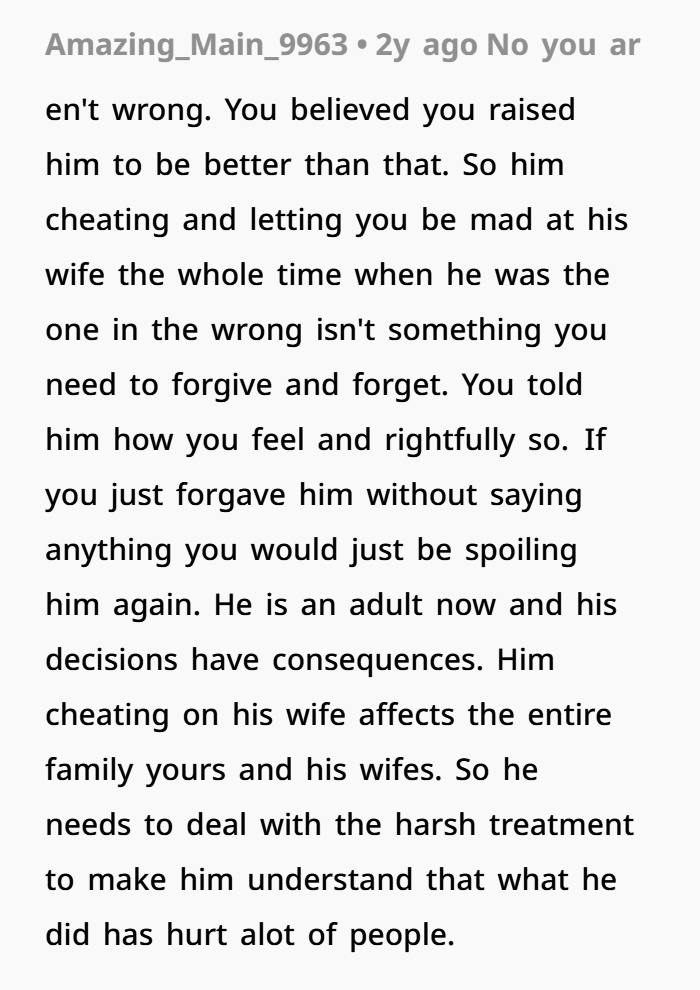
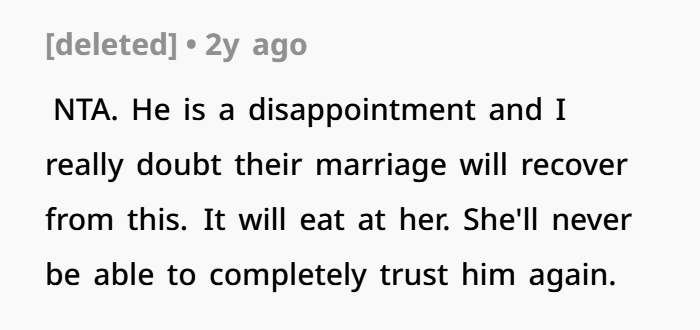
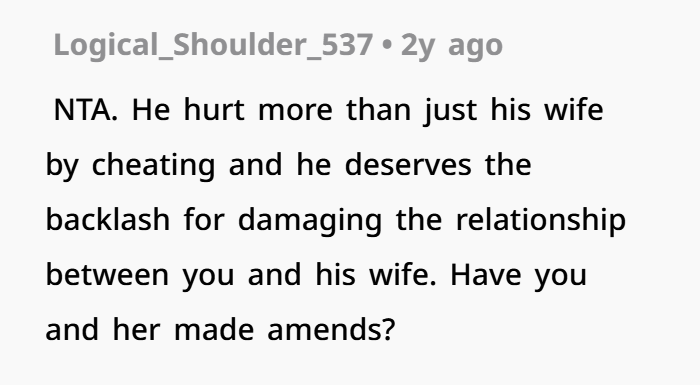
The Comments Are In



Final Thoughts
Infidelity affects more than just two people in a marriage.
It can impact families, friendships, and trust between loved ones.
Joseph made a serious mistake, and his actions caused real pain. However, admitting the truth and trying to make changes are important steps toward healing.
His mother’s disappointment is understandable, but so is the need for guidance and support during difficult times.
The biggest lesson is that mistakes can have serious consequences, but people can also learn, grow, and work toward becoming better.
Strong relationships are built on honesty, respect, responsibility, and the willingness to repair what has been damaged.