My Girlfriend Takes Half My Salary Every Month, Threatens My Career, and Turns Aggressive When I Try to Stop Paying Her


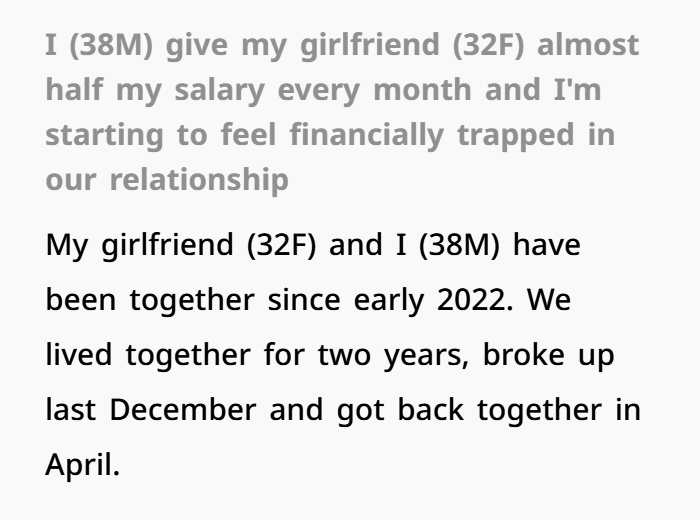
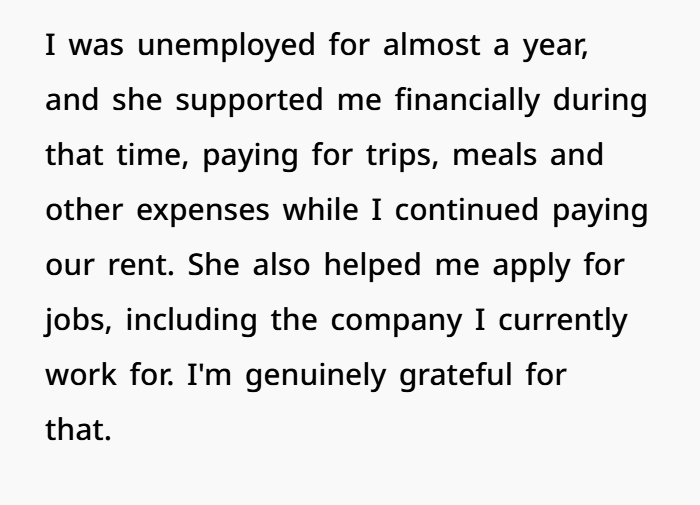
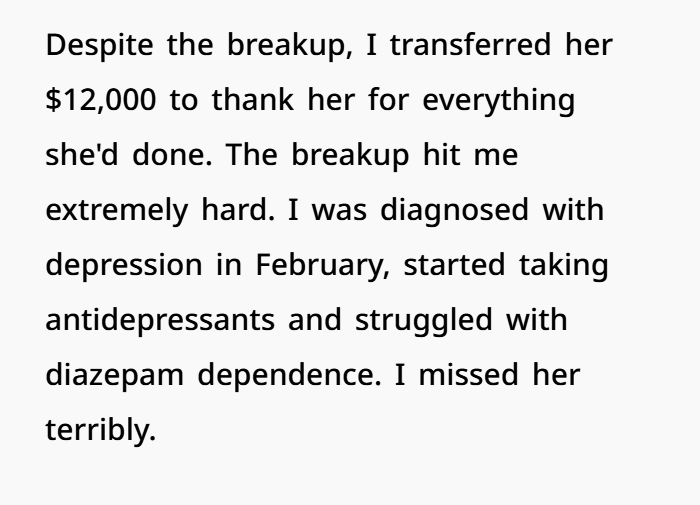
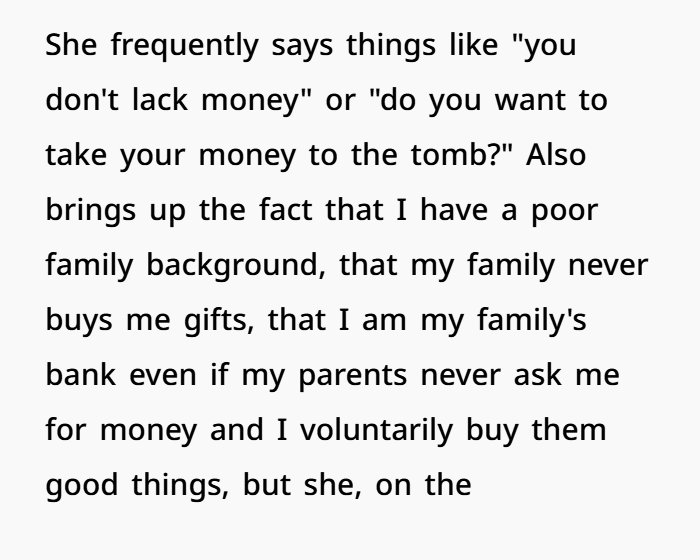
A 38-year-old man is trying to understand what has gone wrong in his relationship with his 32-year-old girlfriend. They have been together since 2022, with a short breakup before getting back together in April. During a period when he could not find work for almost a year, his girlfriend helped him cover several expenses, including meals and trips. He continued paying his rent, and she also helped him apply for jobs. Eventually, he found his current position. To show his appreciation after their first breakup, he transferred $12,000 to her.
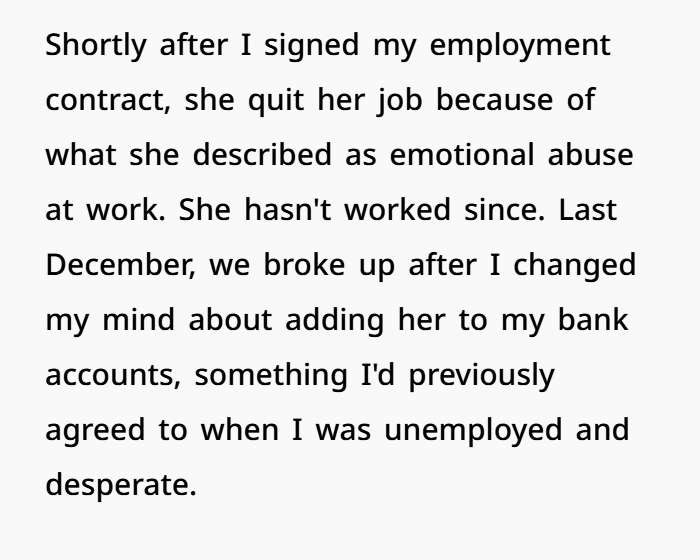
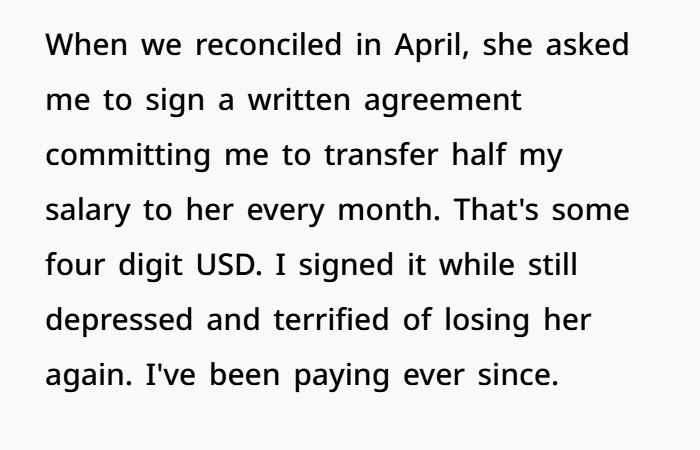
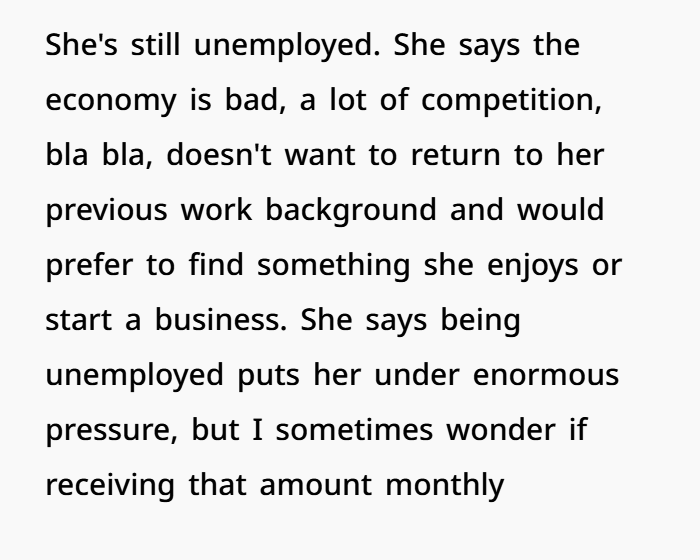
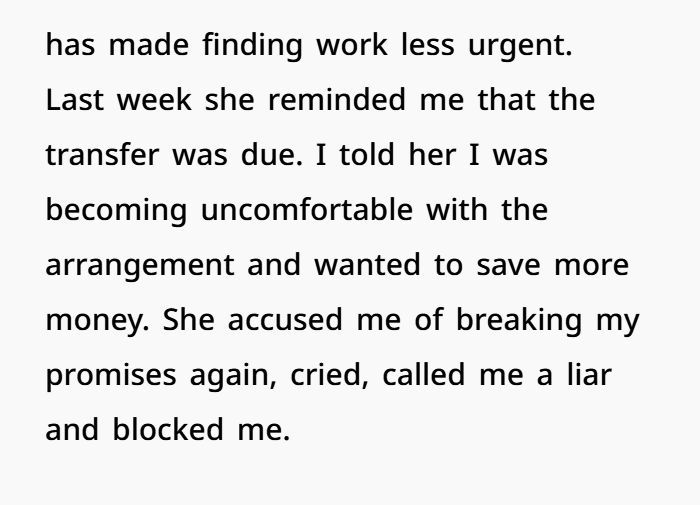
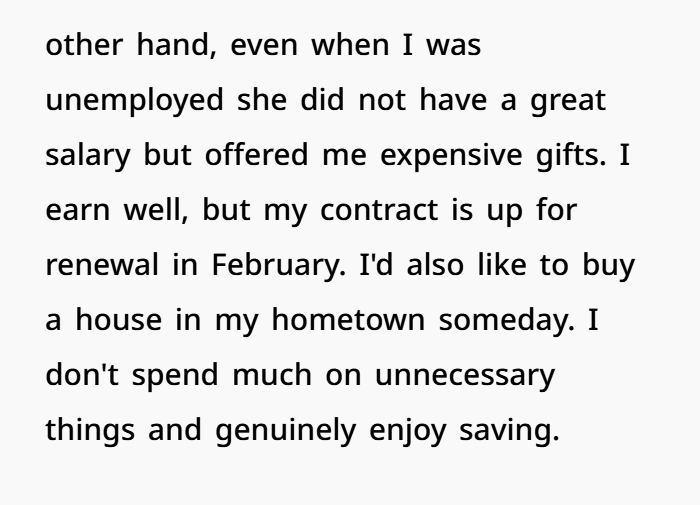
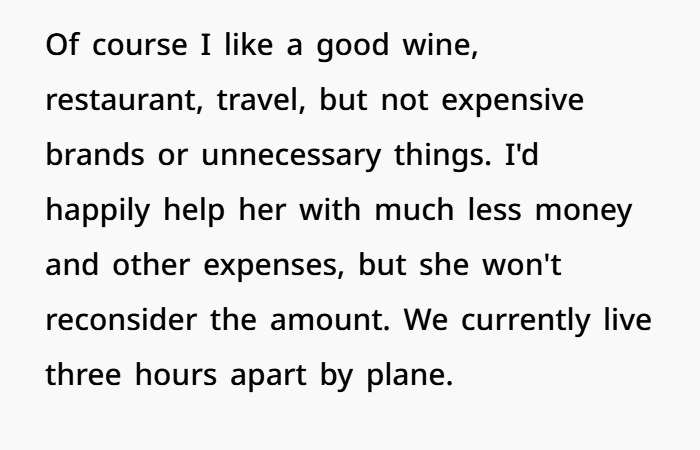
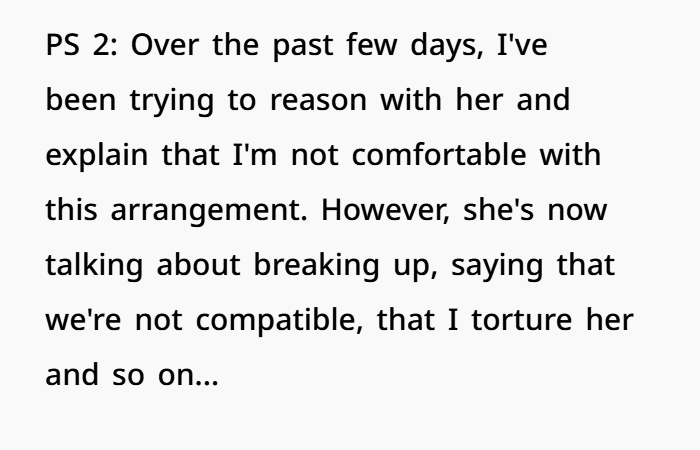
Things became complicated after they reunited. His girlfriend asked him to sign a written agreement that required him to give her almost half of his monthly income. He agreed because he was afraid of losing her again and was still dealing with emotional difficulties. However, he later realized that the payments were making it hard to plan for his future. He wanted to build his savings, renew his employment contract, and eventually purchase a home. Despite his concerns, his girlfriend did not want to change the arrangement. Whenever he tried to discuss the issue, she accused him of breaking his promise and threatened to leave.
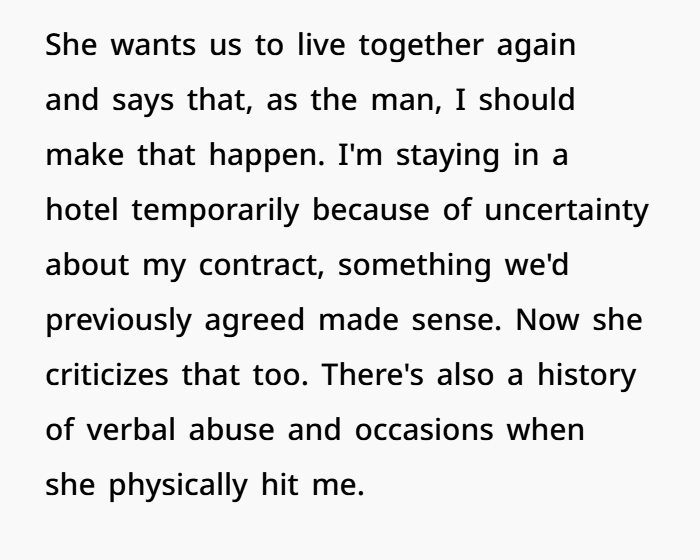
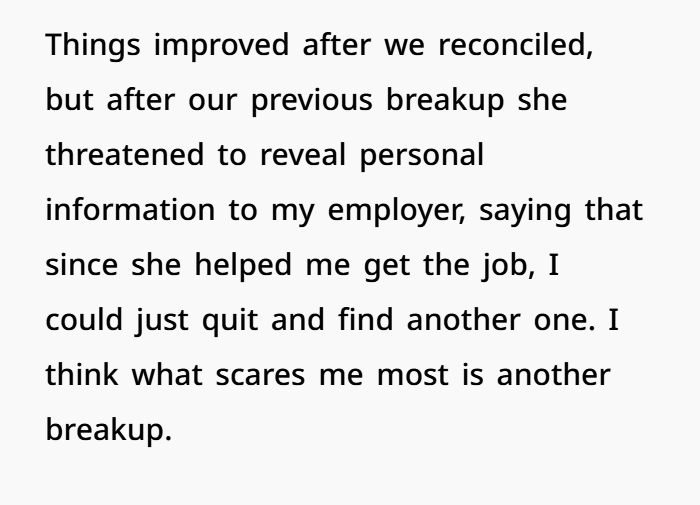
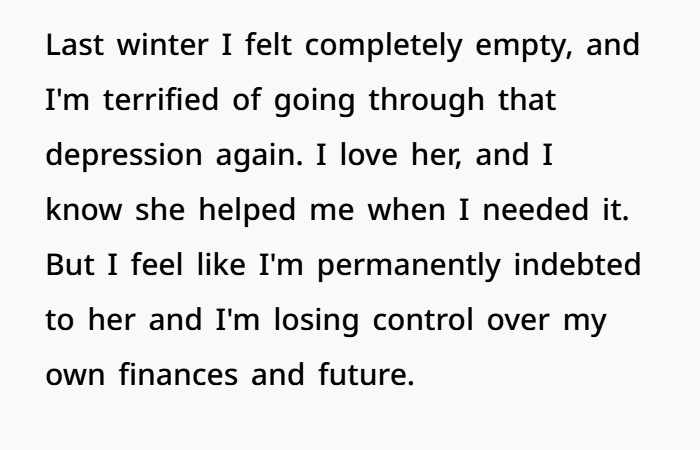
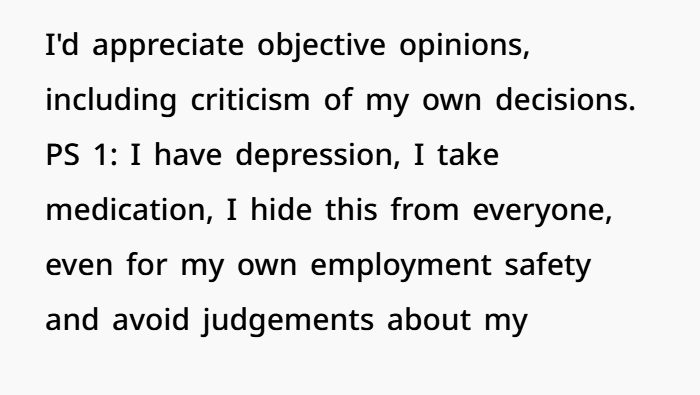
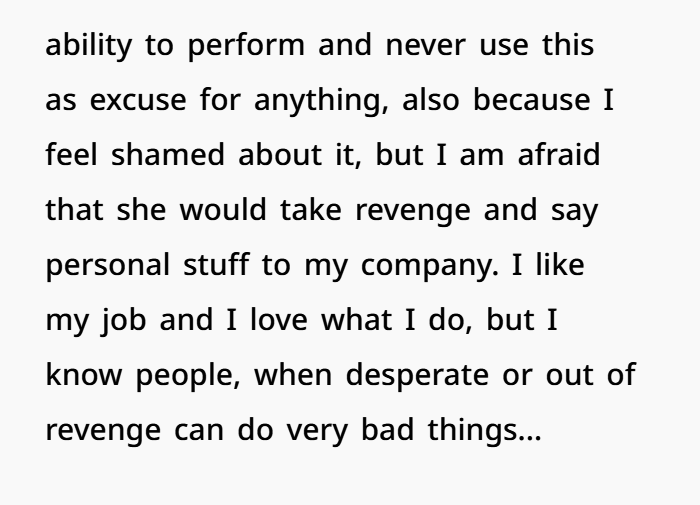
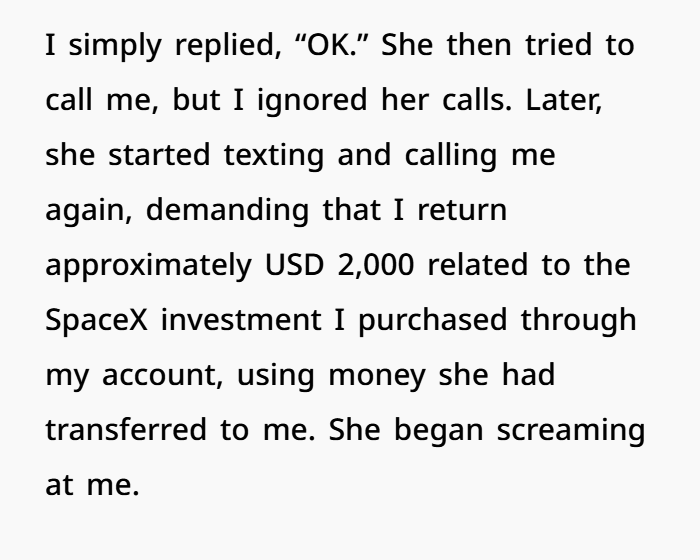
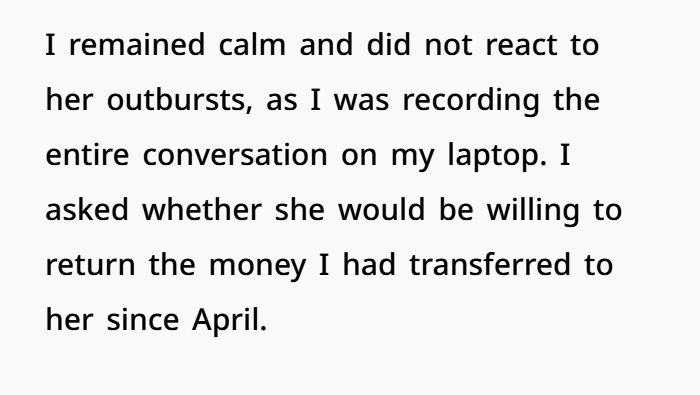
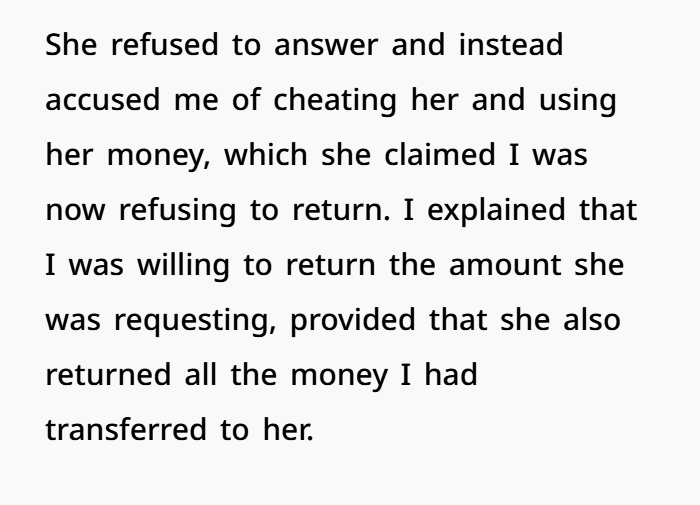
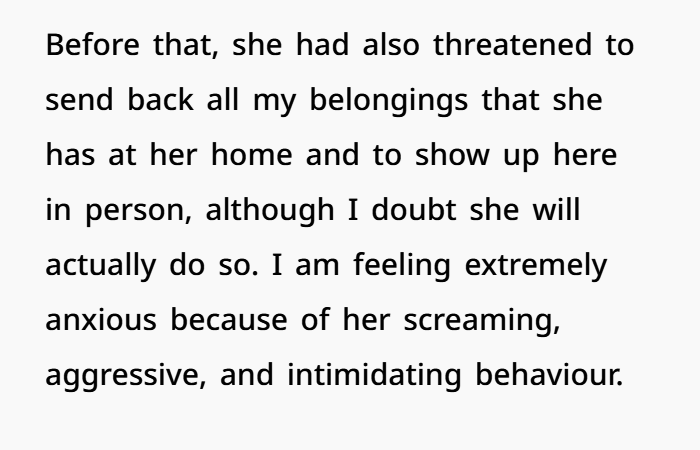
Over time, he also became concerned about other parts of the relationship. He described a history of verbal mistreatment, physical aggression, and threats involving his professional reputation. His girlfriend had reportedly threatened to share private information with his employer. He was already worried about his mental health because he had experienced depression in the past and had needed medication. The latest disagreement involved around $2,000 connected to a SpaceX investment that was purchased through his account using money she had transferred to him. When he asked about the payments he had made to her since April, she refused to discuss the matter and threatened to take legal action.
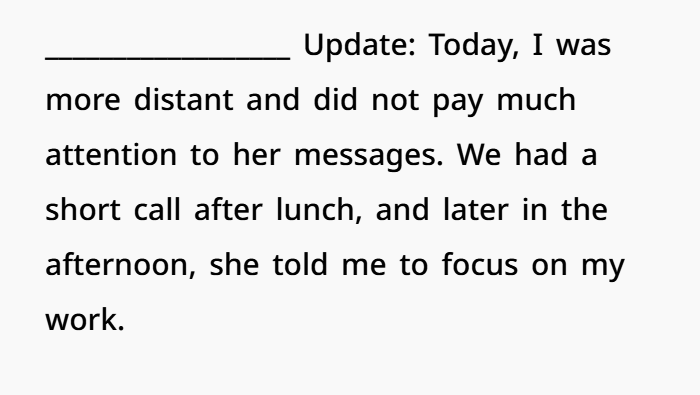
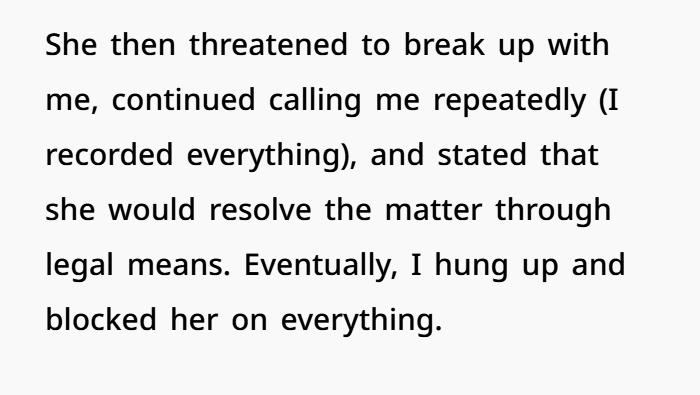
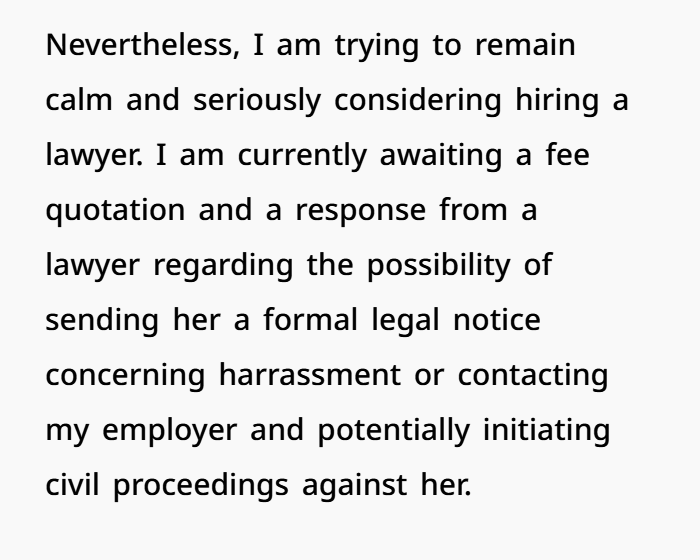
Following another heated argument, he recorded what happened and blocked her on communication platforms. He is now considering speaking with a lawyer about his financial responsibilities, the investment, and possible legal protection from harassment. He also wants to make sure his employment and personal information are protected. Looking back at everything that has happened, he is beginning to wonder whether his girlfriend is upset because he no longer wants to give away such a large part of his income. For now, he is trying to understand his options and make better decisions about his financial future and personal well-being.


Financial Abuse in Relationships: Signs of Financial Control and Emotional Pressure
Money is an important part of every relationship. Couples may share bills, support each other during difficult times, or make agreements about monthly expenses.
But what happens when one person starts feeling pressured to give away money to keep the relationship peaceful?
That is where things can become concerning.
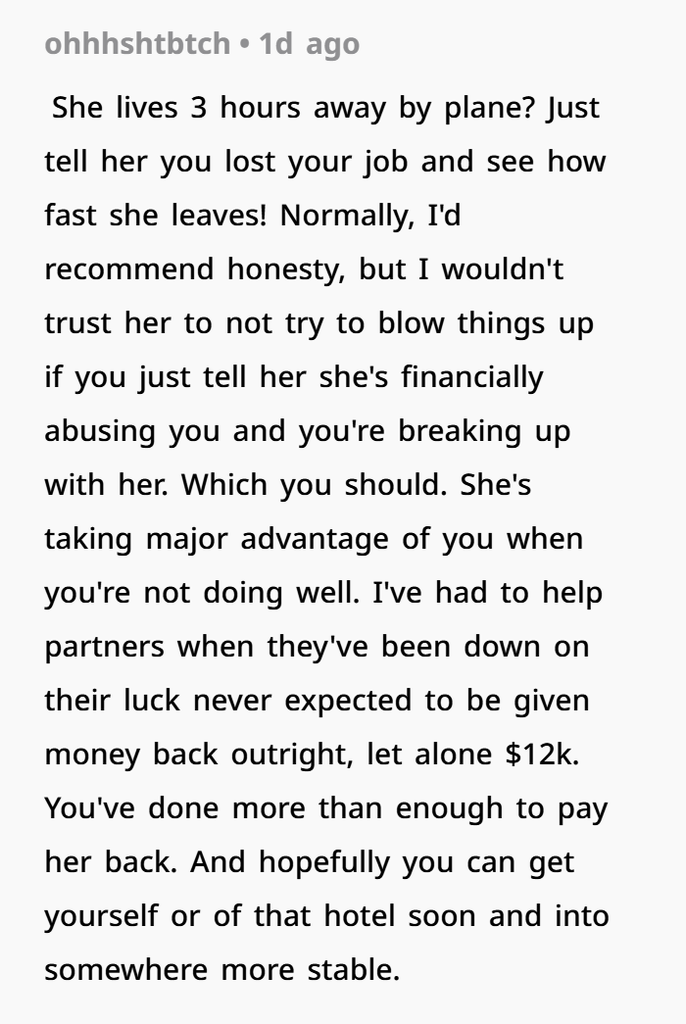
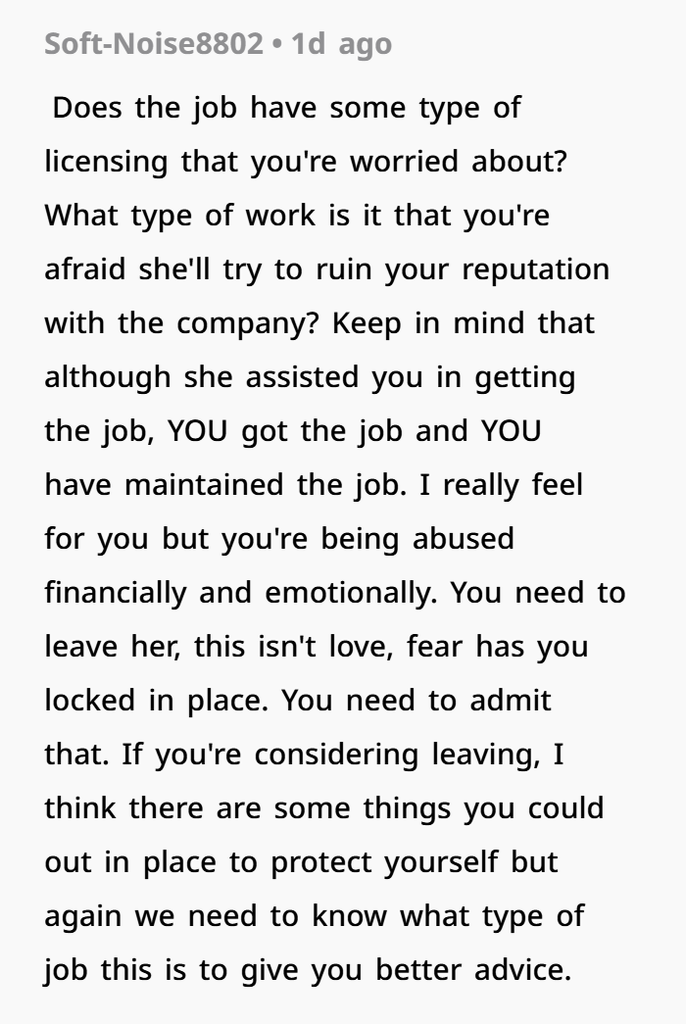
In this situation, a man says he feels expected to hand over almost half of his monthly salary to his girlfriend. Even though his financial circumstances have changed, he feels unable to question the arrangement without facing arguments, emotional pressure, or threats of another breakup.
His experience raises important questions about financial abuse, controlling relationships, and the challenges of protecting your money while dealing with emotional stress.
What Is Financial Abuse in a Relationship?
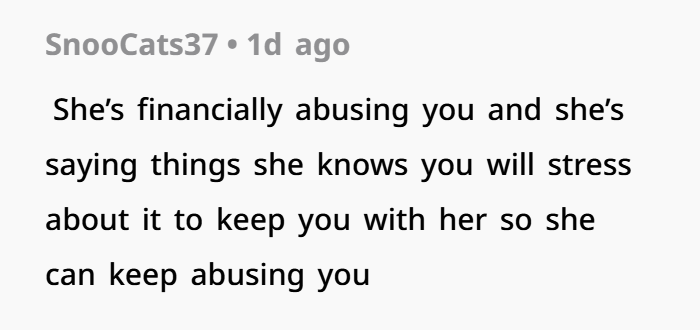
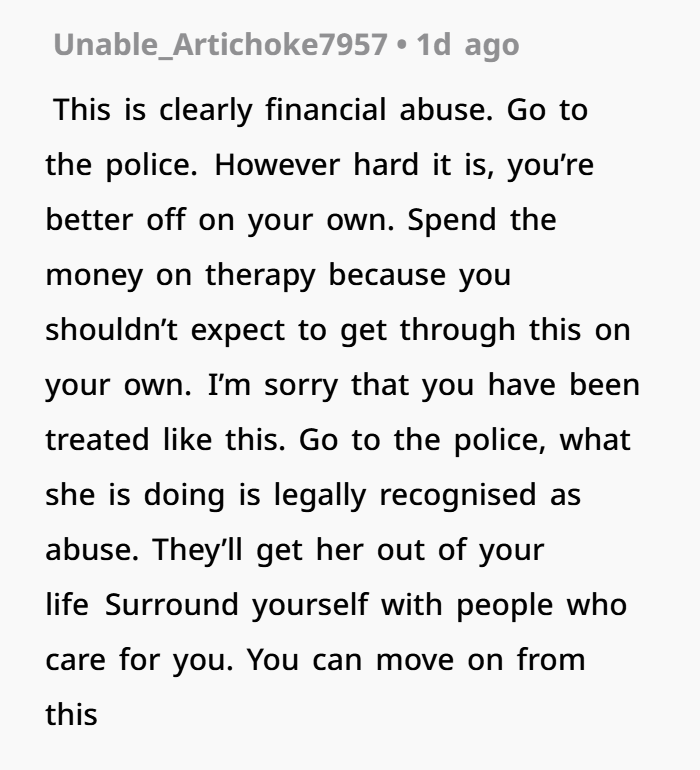
Financial abuse happens when one person uses money or financial resources to control another person.
It can happen in marriages, dating relationships, and other close relationships.
Financial support itself is not a problem. Many couples agree that one person will cover more expenses or help the other during unemployment or financial difficulties.
The concern begins when money becomes a way to create fear, pressure, or dependence.
Some possible warning signs include:
- Pressuring a partner to hand over their salary.
- Controlling how another person spends their money.
- Making someone feel guilty for keeping their own income.
- Preventing a partner from making independent financial decisions.
- Using financial support as a reason to demand obedience.
- Threatening someone when they question a payment arrangement.
The United Nations recognizes economic abuse as behavior that can limit someone’s access to financial resources. The Australian Attorney-General’s Department also explains that economic abuse may involve controlling a person’s ability to earn, use, or keep money.
In the situation described here, several reported behaviors raise concerns.
The girlfriend reportedly expects a large monthly payment, refuses to reconsider the amount, and uses previous promises to make her partner feel guilty.
He also says that she criticizes his spending choices and has threatened his professional reputation.
These details do not establish a legal conclusion. However, they are reasons to take the situation seriously.
Can Men Be Victims of Domestic Abuse?
Yes. Domestic abuse can affect men as well as women.
There is a common misunderstanding that men should always be able to handle relationship problems on their own. Some may also feel embarrassed about asking for help when their partner is physically or emotionally aggressive.
But abuse is not acceptable regardless of gender.
The Centers for Disease Control and Prevention (CDC) recognizes intimate partner violence as a public health concern that can affect people of different genders.
It can include physical violence, psychological aggression, stalking, and controlling behavior.
In this story, the man reports being physically hit and verbally mistreated during disagreements.
These actions should not be dismissed as ordinary arguments.
Everyone has the right to feel safe in a relationship. No one should have to accept physical aggression or intimidation simply because their partner has provided financial support in the past.
Why Emotional Attachment Can Make Leaving Difficult
One of the hardest parts of this situation is the man’s fear of ending the relationship.
He explains that their previous breakup caused serious emotional distress. He experienced depression, needed medication, and struggled with diazepam dependence.
After they reunited, he agreed to a monthly payment arrangement.
He believes his fear of another separation influenced that decision.
This highlights an important part of unhealthy relationships: emotional attachment can make it difficult to set boundaries.
A person may understand that something is wrong but still feel unable to walk away.
They may worry about being alone, losing someone they love, or experiencing the same emotional pain again.
As a result, they might agree to financial demands or ignore behavior that makes them uncomfortable.
This does not mean they are weak. It means they may need time, emotional support, and professional guidance to make decisions that protect their well-being.
His history of depression and medication dependence also deserves attention. He should continue working with a qualified healthcare professional and discuss any medication concerns with his prescribing doctor.
Changing or stopping medication without medical advice can create additional health risks.
What Happens When Someone Starts Setting Boundaries?
The man believes that his girlfriend’s behavior changed when he began questioning the monthly payments.
According to his account, she accused him of breaking his promises and threatened to end the relationship.
There were also repeated calls and disagreements about an investment.
It is possible that changing the financial arrangement created conflict. However, we cannot know what his girlfriend was thinking or why she reacted in that way.
What we can say is that financial disagreements should be handled respectfully.
Both partners should be able to discuss money, review shared expenses, and explain when an arrangement no longer works for them.
A healthy financial relationship should allow open conversations without threats or intimidation.
The UK Crown Prosecution Service recognizes that domestic abuse can involve financial and psychological behavior used to control another person.
However, the full circumstances matter when evaluating any particular situation.
Understanding the Legal Side of the Money Dispute
The financial details make this situation more complicated.
The man reportedly gave his girlfriend $12,000 after their first breakup. He describes this payment as a way to thank her for supporting him.
After getting back together, he also signed a document agreeing to make monthly payments.
There is another financial issue involving an investment worth approximately $2,000 in SpaceX.
Before making any further decisions, he should understand what these arrangements legally mean.
A lawyer may need to review several details:
The original $12,000 payment: Was it a gift, a repayment, or a financial settlement?
The written agreement: Does it clearly explain how much he must pay and for how long?
The monthly transfers: Were they intended as gifts, shared expenses, or repayment?
The investment: Who legally owns the shares or investment account?
The reported threats: Are there messages or other records that support his concerns about professional retaliation?
The legal answer will depend on the actual documents and the laws that apply in their location.
An agreement should not be ignored simply because the relationship has become difficult. At the same time, signing a document does not automatically make every condition enforceable.
Independent legal advice can help him understand his rights and responsibilities.
He should keep copies of relevant financial documents, bank statements, messages, and investment records.
If he has recordings of conversations, he should ask a lawyer about local privacy and recording laws before sharing them.
Practical Ways to Protect Your Finances and Personal Safety
When financial control and relationship conflict happen together, it is important to take practical steps.
Here are some useful areas to consider.
1. Review bank account security.
Check who has access to personal accounts. Update passwords, enable two-factor authentication, and review recent account activity.
2. Understand your financial responsibilities.
Before making new repayment promises or changing existing arrangements, get advice from a qualified lawyer.
3. Keep financial records.
Save bank statements, payment confirmations, signed agreements, and messages about money.
4. Protect personal and work information.
If someone threatens to contact an employer or share private information, ask a lawyer about available options.
5. Make personal safety a priority.
If there are concerns about physical aggression, avoid situations where you may be alone and feel unsafe. Contact local emergency services if there is an immediate threat.
6. Find reliable emotional support.
A therapist, counselor, or qualified mental health professional can help someone work through depression, relationship stress, and fear of separation.
Speaking with a trusted friend or family member can also help reduce isolation.
Why Leaving an Unhealthy Relationship Takes Time
From the outside, it may seem easy to tell someone to leave a difficult relationship.
But emotional attachment, financial concerns, mental health challenges, and fear of what happens next can make the decision much more complicated.
People may need time to understand their situation and prepare for the next steps.
There is no need to handle everything alone. Domestic violence support services, legal professionals, and mental health providers may offer useful guidance.
Men who experience relationship abuse also deserve access to support without feeling embarrassed or judged.
Final Thoughts
Financial support should be a choice based on mutual understanding, not a way to control another person’s income.
The situation described here involves several concerns, including large monthly payments, reported threats, physical aggression, and emotional stress.
The best next step is not another argument about money. It is to understand the legal agreement, protect personal finances, and seek appropriate professional support.
A person can appreciate the help they received in the past while still having the right to discuss their current financial situation.
Love and financial support should come with respect. Nobody should have to give up their personal safety or financial independence to keep a relationship together.
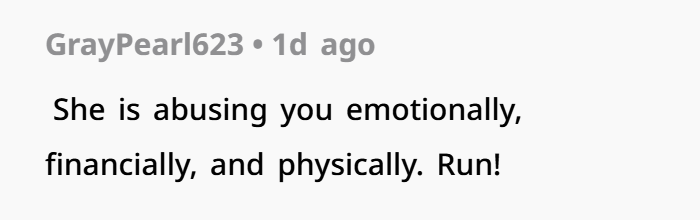
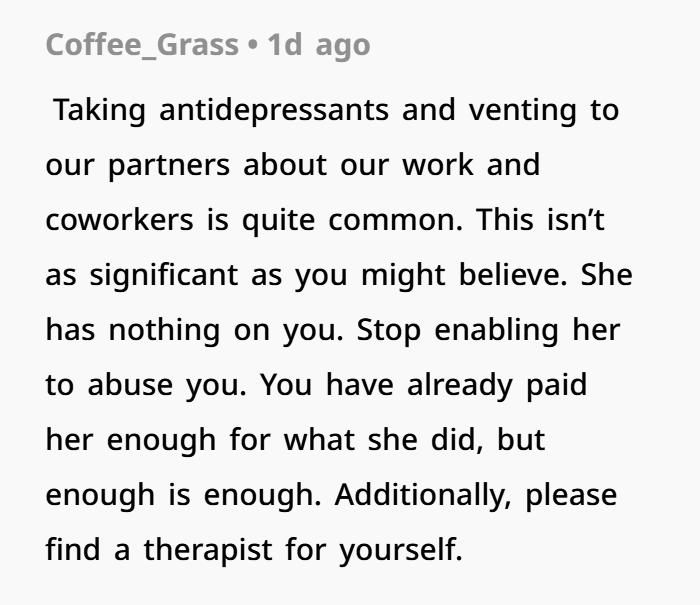
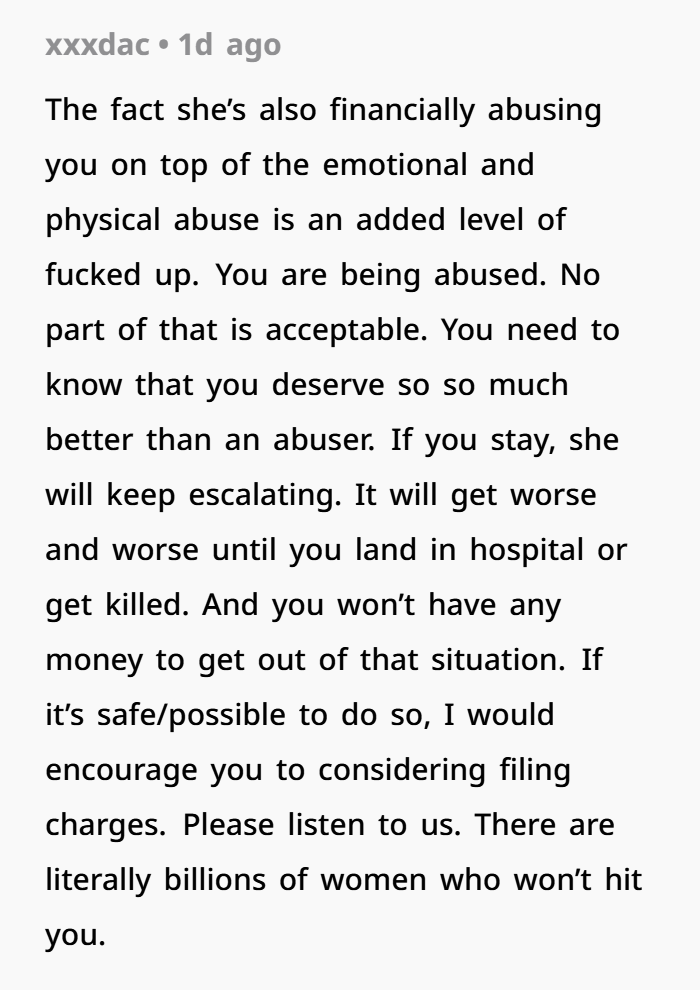
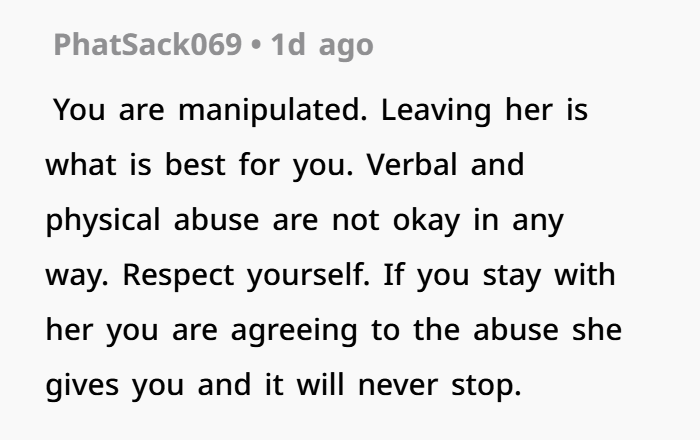
Readers’ Comments Speak Out