My Friend Called Me an Eco-Warrior After I Refused to Throw Away My Bedsheets

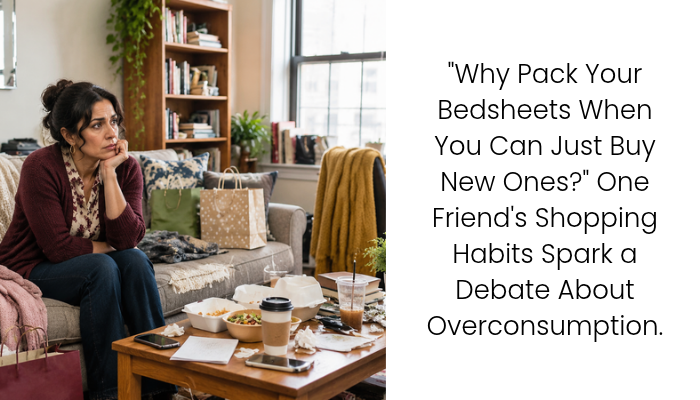
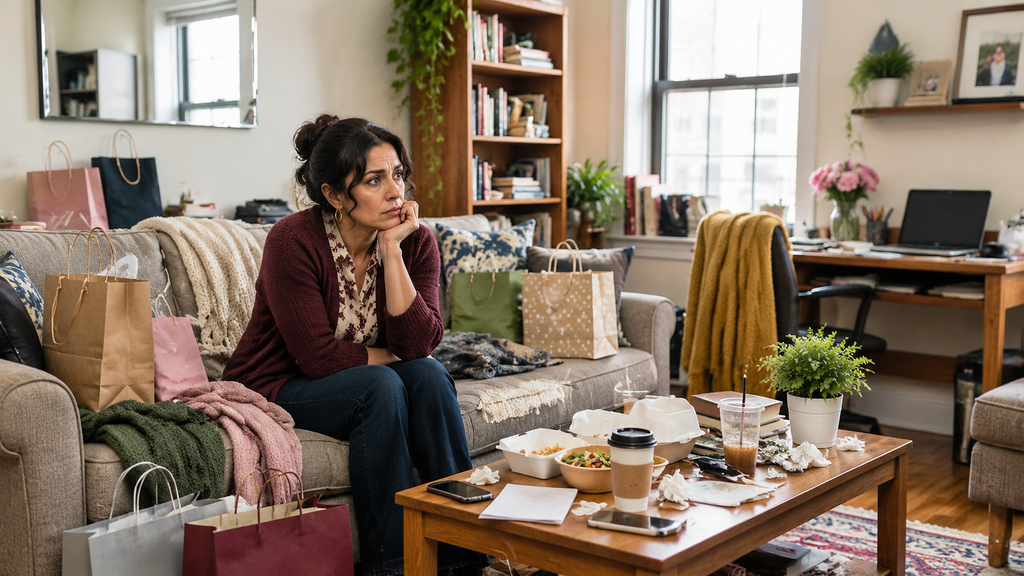
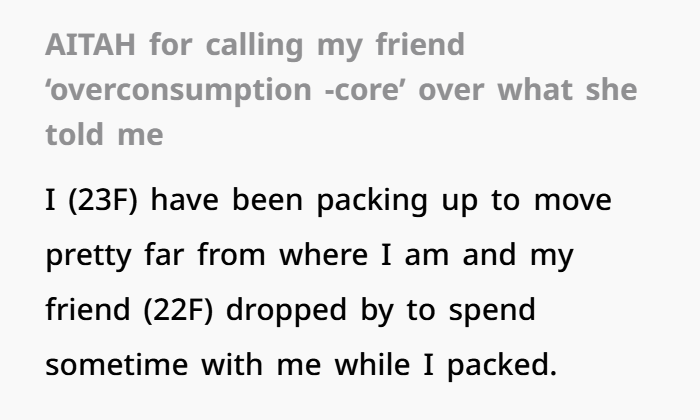
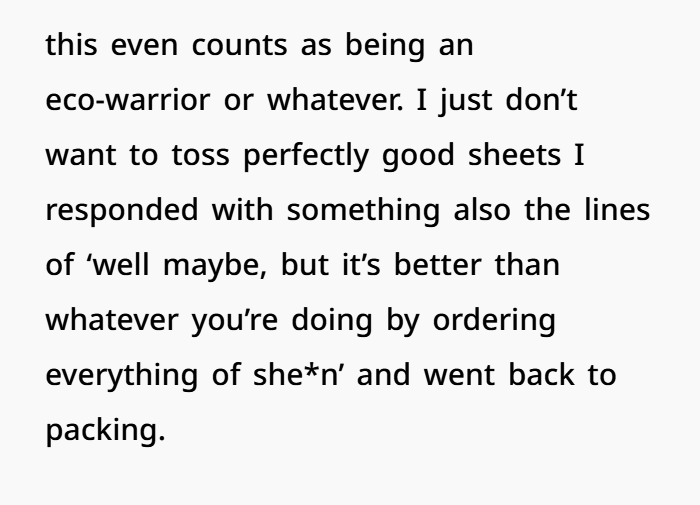
Moving to a new home can be a busy and expensive experience, especially for students. A 23-year-old woman was packing her belongings when a friend visited her. As she carefully folded her bedsheets and pillowcases and placed them in vacuum storage bags, her friend asked why she was taking them along. She suggested buying new bedding after the move instead. The woman was confused by this idea because her sheets were still fairly new, soft, and in excellent condition.
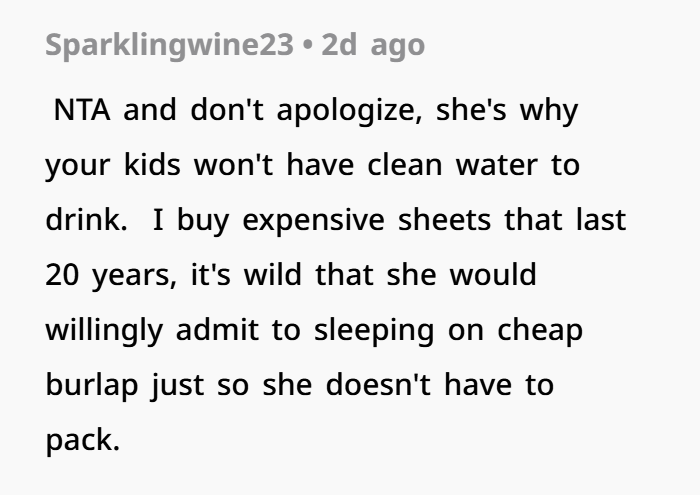
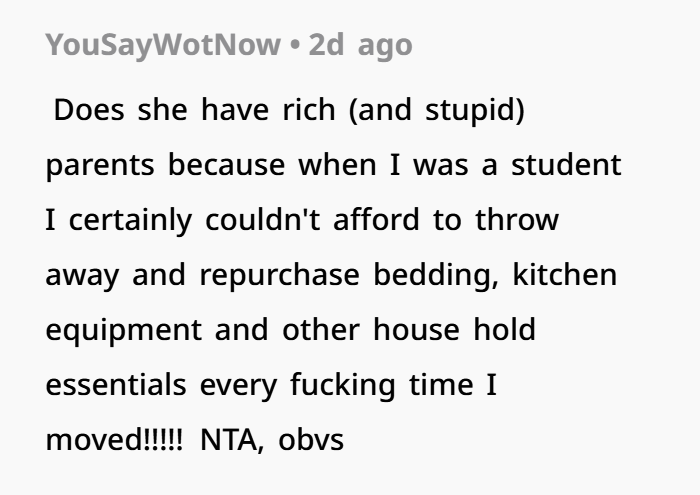
Her friend continued asking why she wanted to keep using the same bedding. According to her, it was easier to throw everything away and purchase new items after reaching the new place. The woman did not agree. She felt that buying new household products made little sense when the old ones were still perfectly useful. Reusing bedding also seemed like a practical way to save money and avoid unnecessary shopping.
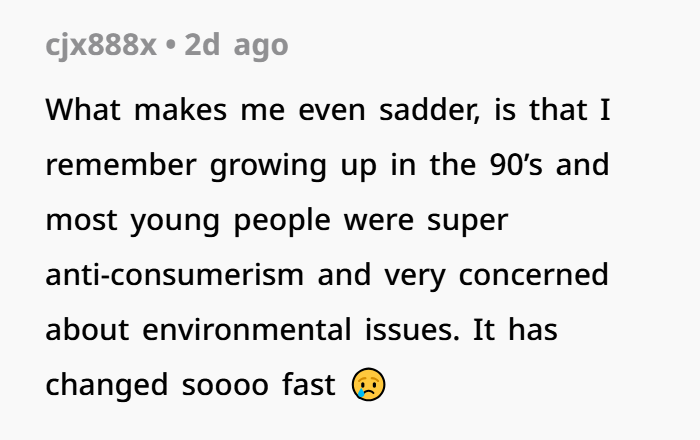
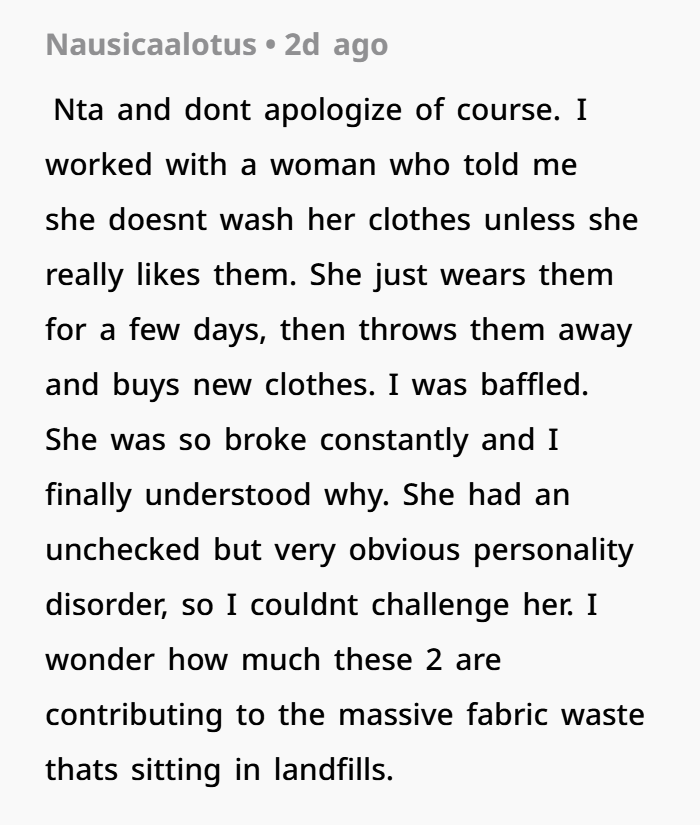
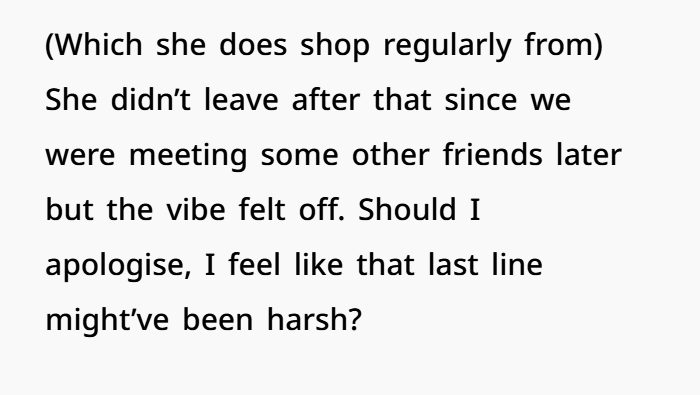
Things became a little tense when the woman described her friend’s attitude as overconsumption. Her friend responded by making fun of her environmental views and calling her an environmental activist. The woman then brought up her friend’s frequent Shein purchases and pointed out that regularly buying fast-fashion clothing did not seem very different from replacing useful household items without a good reason.
The disagreement made their time together awkward, even though they still followed their original plans. Later, the woman started wondering if her response had been too personal. Was she simply encouraging eco-friendly habits, or had she gone too far by discussing her friend’s shopping choices? For her, reusing household items is a simple part of sustainable living. It can help reduce waste, save money, and make moving to a new home a little easier.
Overconsumption and Fast Fashion: Why Reusing What We Own Matters
Have you ever thrown something away simply because buying a new one seemed easier?
It happens more often than we think. From clothing and bedsheets to kitchen items and home accessories, many people replace things that are still perfectly usable.
A small disagreement about packing bedsheets before moving can actually tell us a lot about modern shopping habits. It raises an interesting question: Are we buying new things because we really need them, or simply because it is more convenient?
The Hidden Cost of Buying New Things
Every product we buy has a story behind it. Before reaching our homes, it usually goes through several steps, including manufacturing, packaging, and transportation.
These steps require natural resources, energy, and water.
This is especially important when it comes to clothing and household textiles. Bedsheets, towels, curtains, and other fabric products all require materials and energy to produce.
The United Nations Environment Programme (UNEP) has reported on the environmental impact of the fashion and textile industry.
When we throw away products that are still useful, we also waste the resources that went into making them.
This is why reducing unnecessary shopping and making thoughtful purchasing decisions can be helpful.
Reusing Household Items Is a Simple Way to Reduce Waste
You do not need to make big lifestyle changes to start living more sustainably.
Sometimes, small everyday habits make a difference.
For example, instead of buying new bedsheets after moving, you can pack your existing ones in storage bags. Vacuum-sealed bags are also useful because they take up less space and help keep bedding organized.
Other simple ways to reuse household items include:
- Using old towels as cleaning cloths.
- Reusing storage baskets in different rooms.
- Repairing small tears in clothing and fabric items.
- Donating furniture and home accessories you no longer need.
- Keeping seasonal bedding properly stored.
- Choosing durable home products instead of replacing them frequently.
These habits can help reduce waste while making your home organization routine easier.
What Is Fast Fashion?
Fast fashion refers to clothing businesses that produce new styles frequently and sell them at relatively low prices.
Online shopping platforms such as Shein have made it easier for people to access affordable clothing and follow changing fashion trends.
The problem is not simply shopping from an affordable retailer. The bigger concern is the habit of buying too many items and replacing them before they are worn out.
Frequent clothing purchases can contribute to textile waste and increase demand for new production.
The European Environment Agency has highlighted several environmental concerns related to textile production and consumption, including resource use and waste.
This is why many people are now paying more attention to sustainable fashion, responsible shopping, and the long-term value of the products they buy.
You Can Shop on a Budget and Still Make Better Choices
Being environmentally conscious does not mean you have to stop shopping completely.
Not everyone has the same income or budget. Affordable clothing and household products are important for many families and students.
What matters is how we shop.
Before buying something new, consider these simple questions:
- Do I really need this item?
- Do I already own something similar?
- Will I use it regularly?
- Is it worth the money?
- Can I find a product that will last longer?
These questions can help reduce impulse shopping and make your shopping budget go further.
You can also look for affordable home essentials, reusable storage products, and durable household accessories that offer good value over time.
Moving Does Not Mean Replacing Everything
Moving to a new home can be expensive.
Students, in particular, often move between university accommodation, rented apartments, and shared living spaces.
Every move can bring extra costs, including transportation, packing materials, furniture, and household supplies.
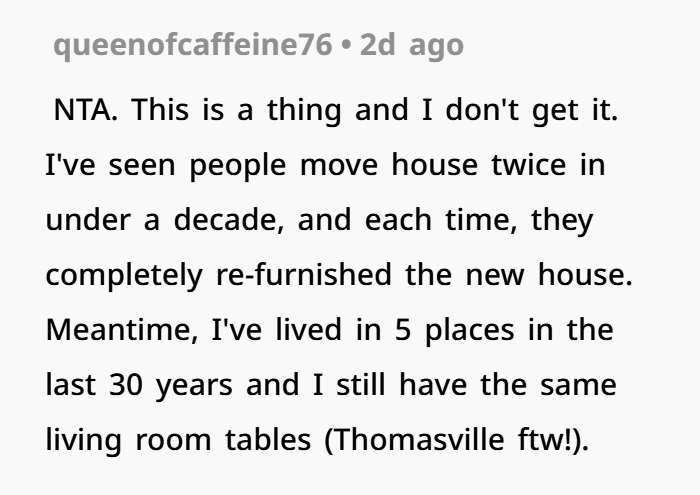
Buying new bedsheets, kitchenware, and home accessories every time you relocate can add even more expenses.
That is why reusing your existing belongings can be a practical way to save money.
Packing your bedsheets properly, using space-saving storage bags, and organizing household essentials can make moving much easier.
Of course, replacing something is reasonable when it is damaged, no longer useful, or too expensive to transport.
The goal is not to keep everything forever. It is to avoid replacing things without a good reason.
Sustainable Living Is About Progress, Not Perfection
One important point in this disagreement is that people can have different shopping habits.
Someone who buys affordable clothing can still reuse household products, save electricity, reduce waste, and make thoughtful choices in other areas.
Sustainable living is not about being perfect. It is about learning to make better decisions over time.
The original poster wanted to keep her bedsheets because they were still in good condition. Her friend preferred to replace them to make moving easier.
Both people can make their own decisions.
However, bringing up someone’s shopping habits can turn a simple conversation into a personal argument.
It is usually more helpful to discuss the actual issue rather than judge someone’s entire lifestyle.
Final Thoughts
The conversation about bedsheets highlights something we often forget: Buying new is not always better.
Whether it is clothing, bedding, furniture, or home accessories, using what we already own can be a smart way to save money and reduce unnecessary waste.
Simple habits like reusing products, choosing practical storage solutions, and planning purchases carefully can make everyday life more affordable.
You do not need to change everything to live more sustainably. Sometimes, the best first step is simply not replacing something that still works perfectly well.
The Comments Are In