She Tried To Scare An Artist With A Lawyer Demand And Got A Surprising Letter Instead

Artists put a lot of effort into creating pieces that represent their ideas and talent. When someone wants to purchase their work, it can feel like a major achievement. But problems can happen when artwork is handled without proper communication.
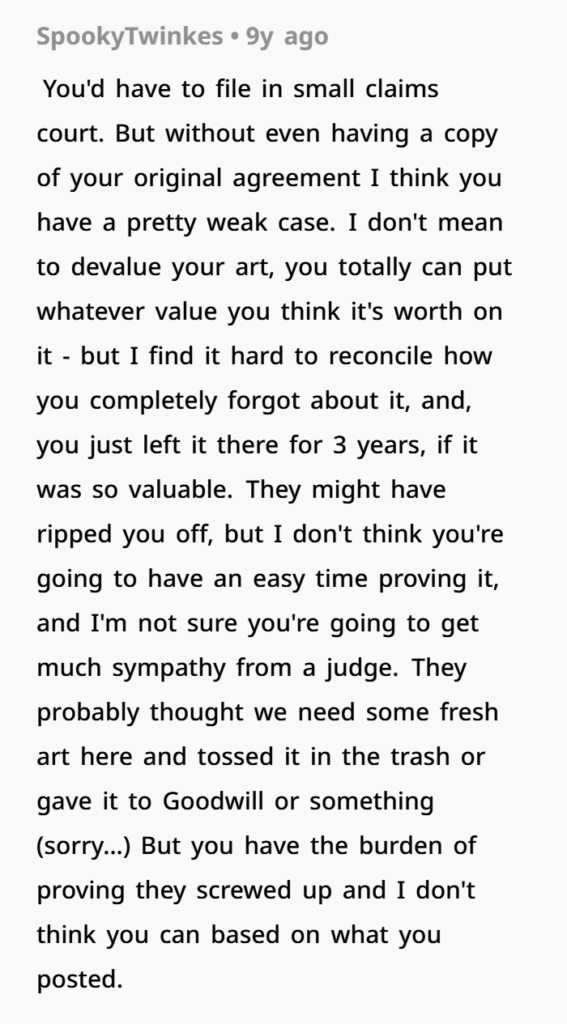
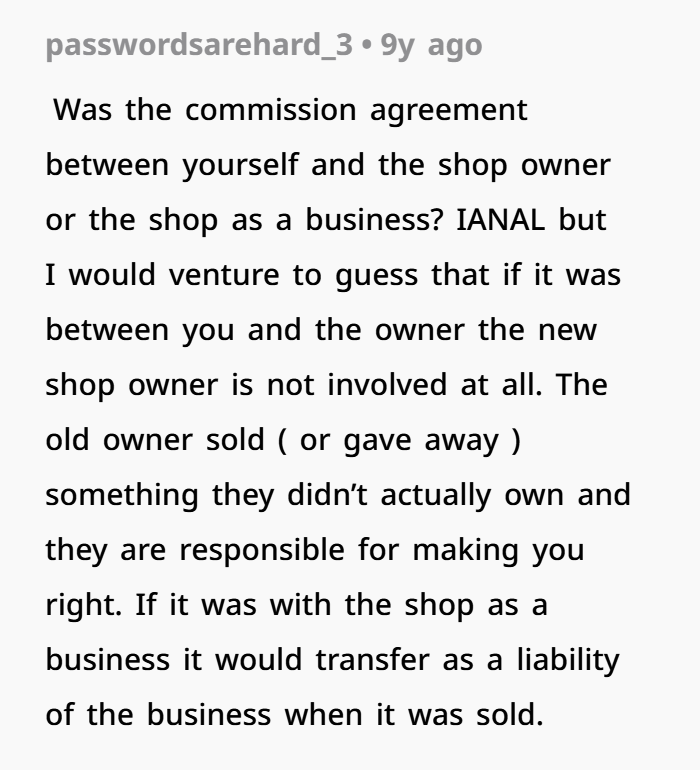
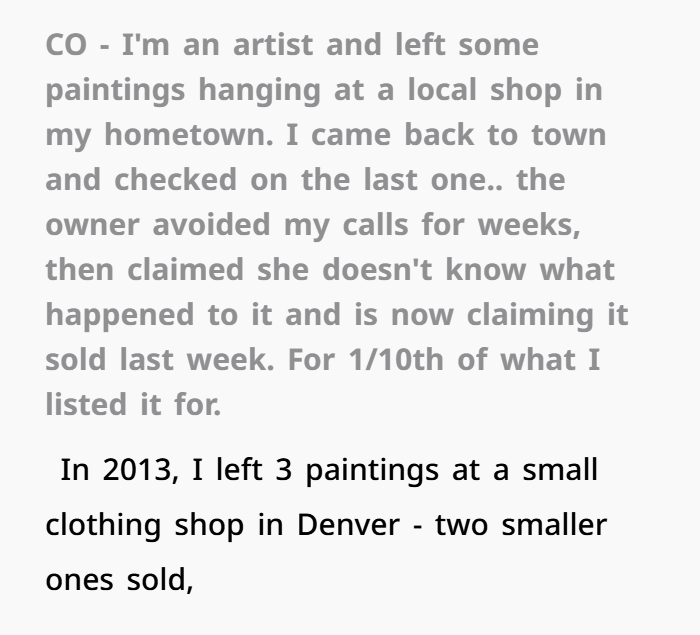
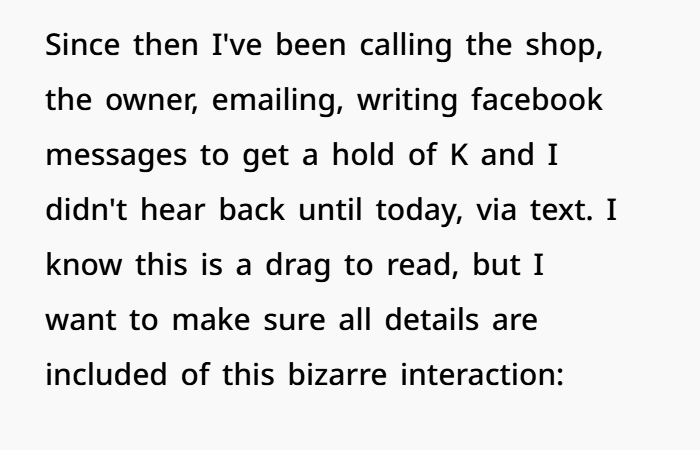
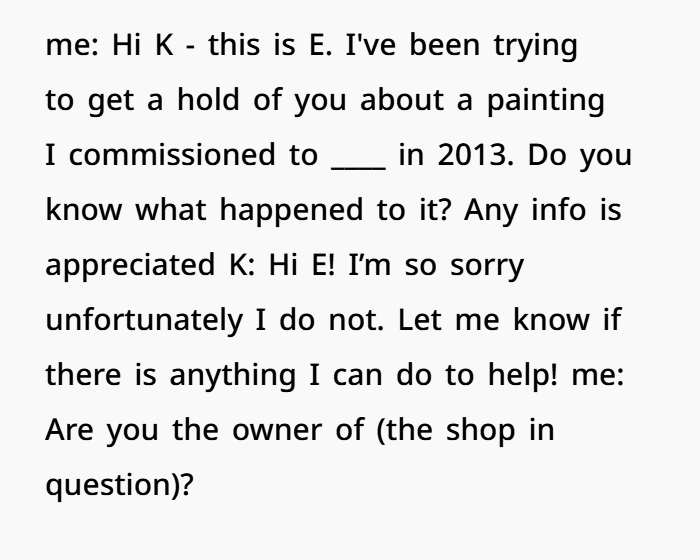
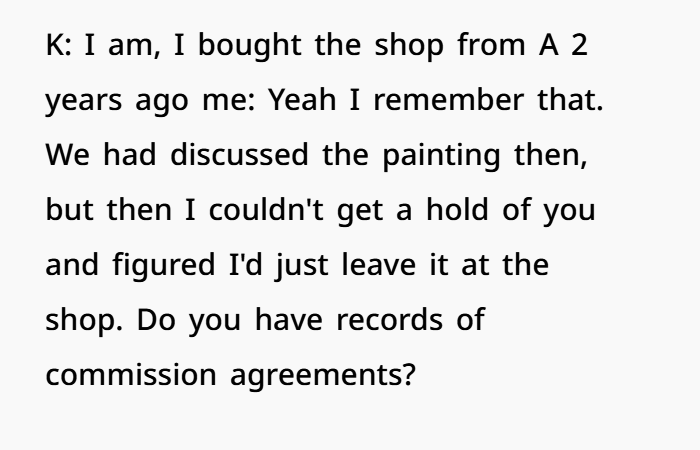
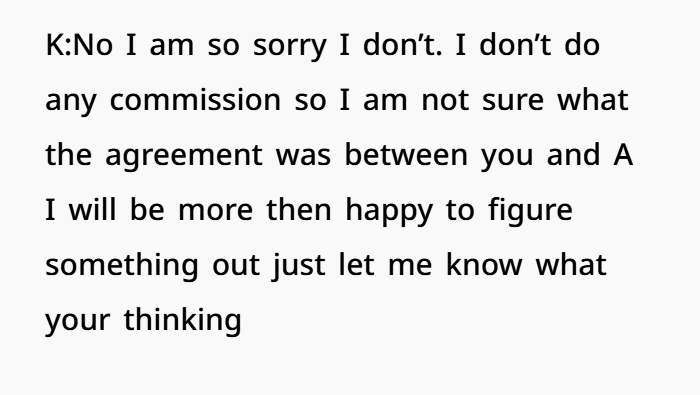
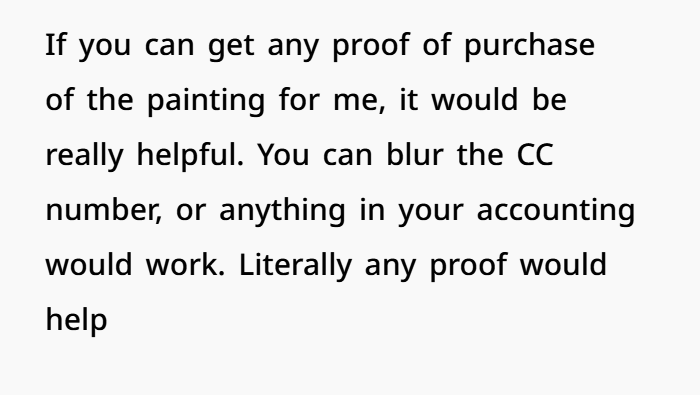
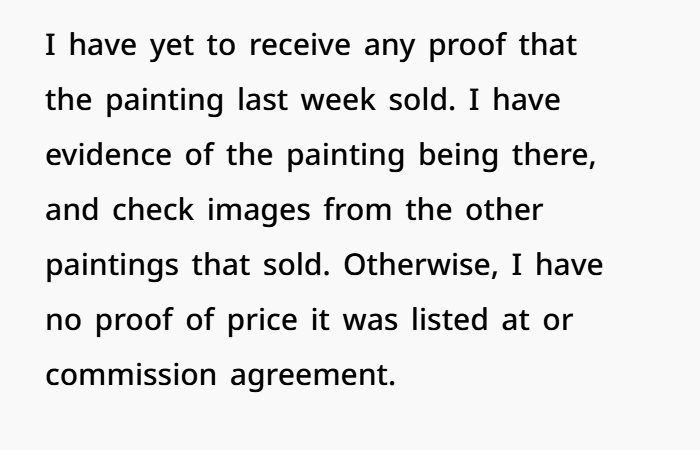
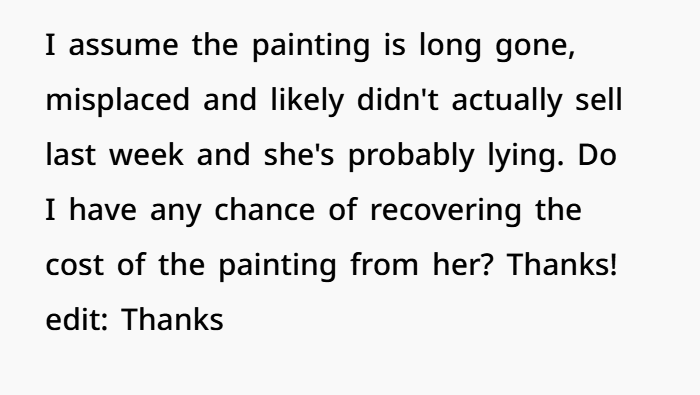
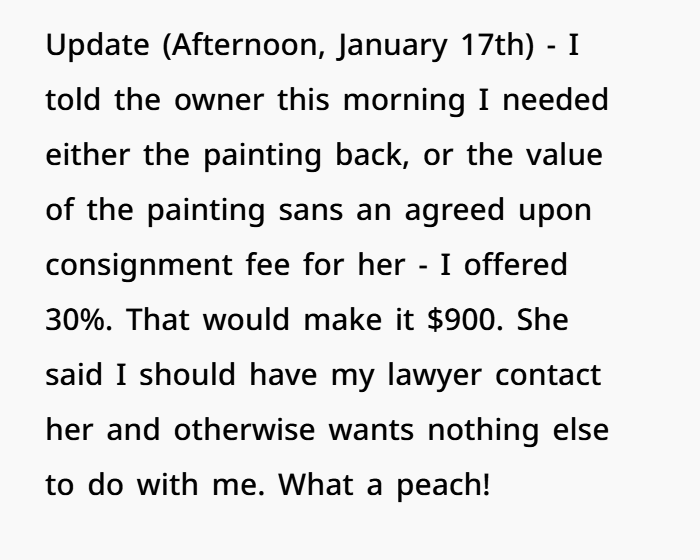
An artist discovered that one of their paintings had been sold by a store without their approval. The artist was concerned because they did not know where the painting was and believed it was sold for a lower amount than its true value.
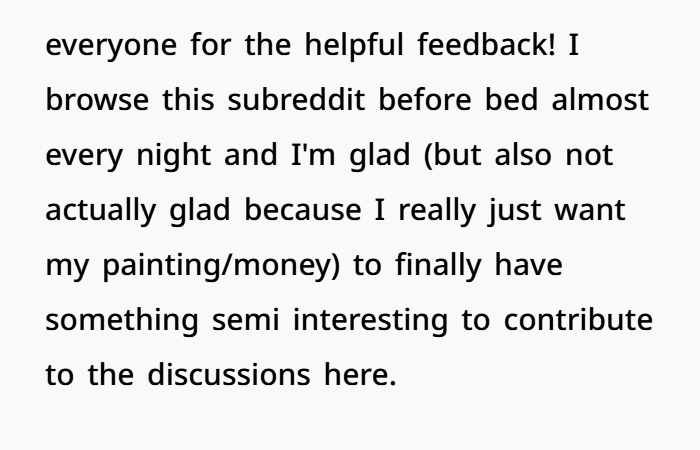
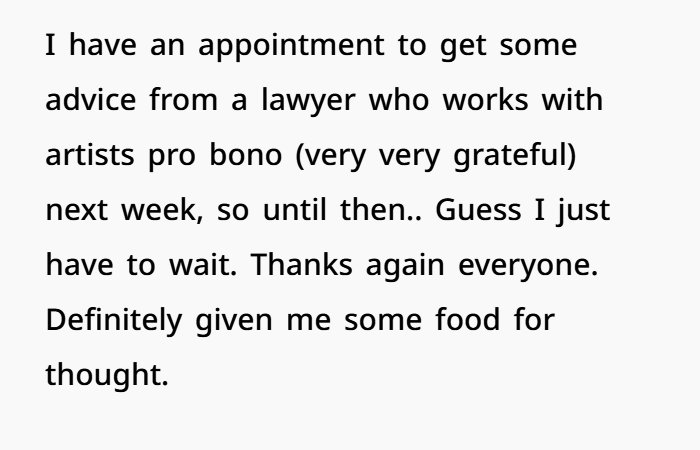
After trying to contact the store owner, the artist decided to seek advice about the situation. The discussion focused on artist rights, property ownership, and fair business practices.
The incident is a reminder for creators to protect their work with proper documentation, written agreements, and a clear understanding of copyright and intellectual property laws. These steps can help artists manage their creative work more confidently.

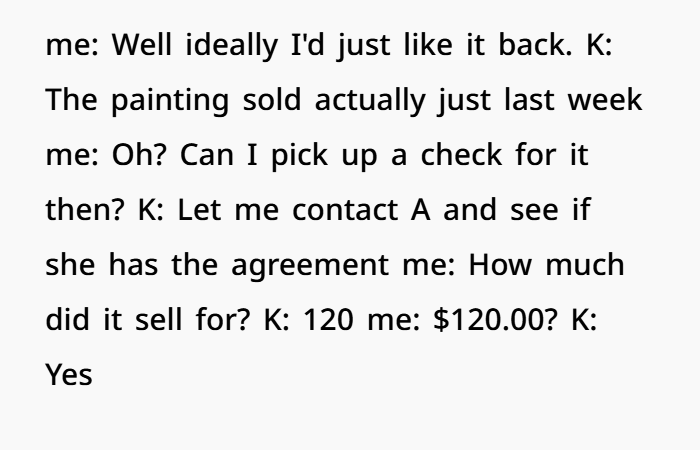
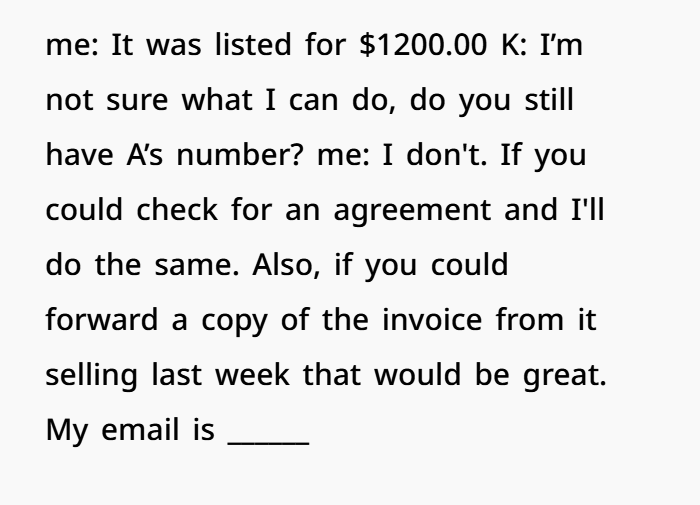
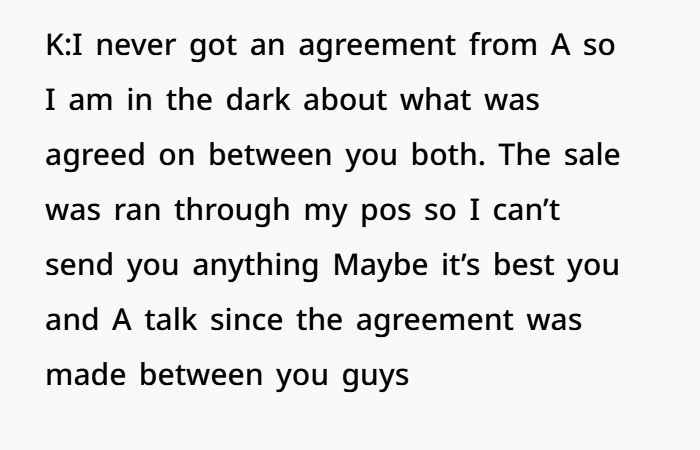
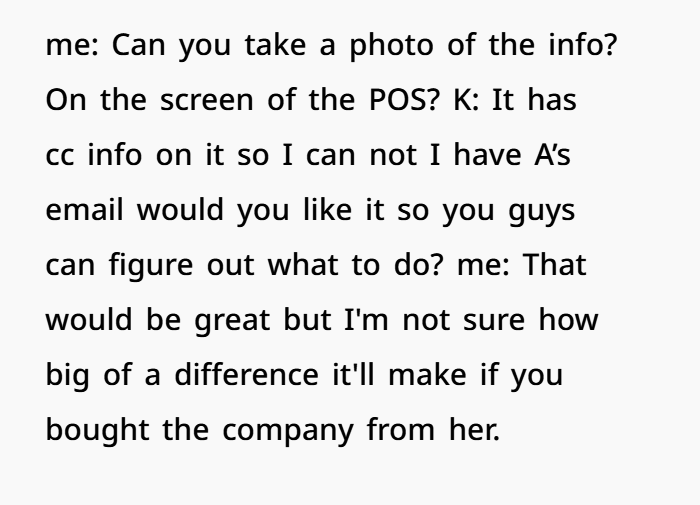
How Artists Can Protect Their Artwork During a Sales Dispute
Selling artwork through a shop, gallery, or retail store can be a great way for artists to reach more buyers. However, artists should always protect their work by keeping clear records and written agreements.
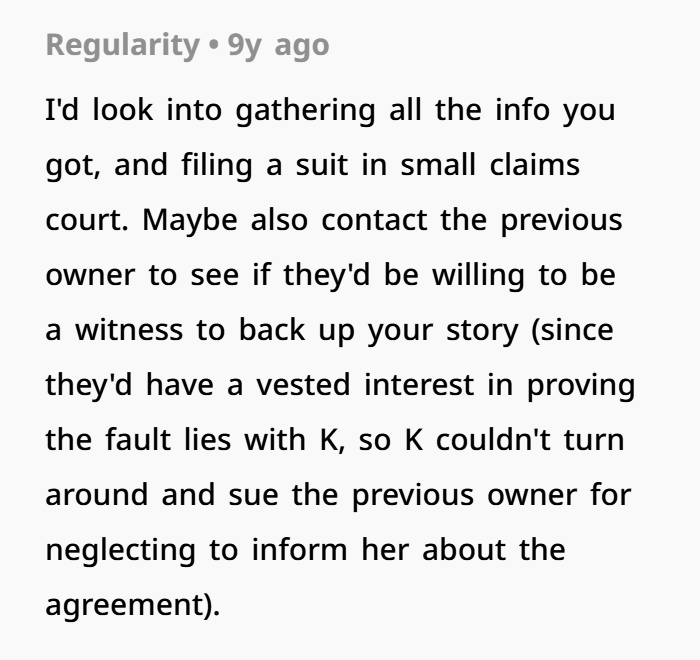
If a problem happens with a store that is selling your artwork, the first thing to do is save all important communication. Take screenshots of text messages, emails, and any other conversations related to the artwork. These records can become valuable evidence if there is a disagreement later.
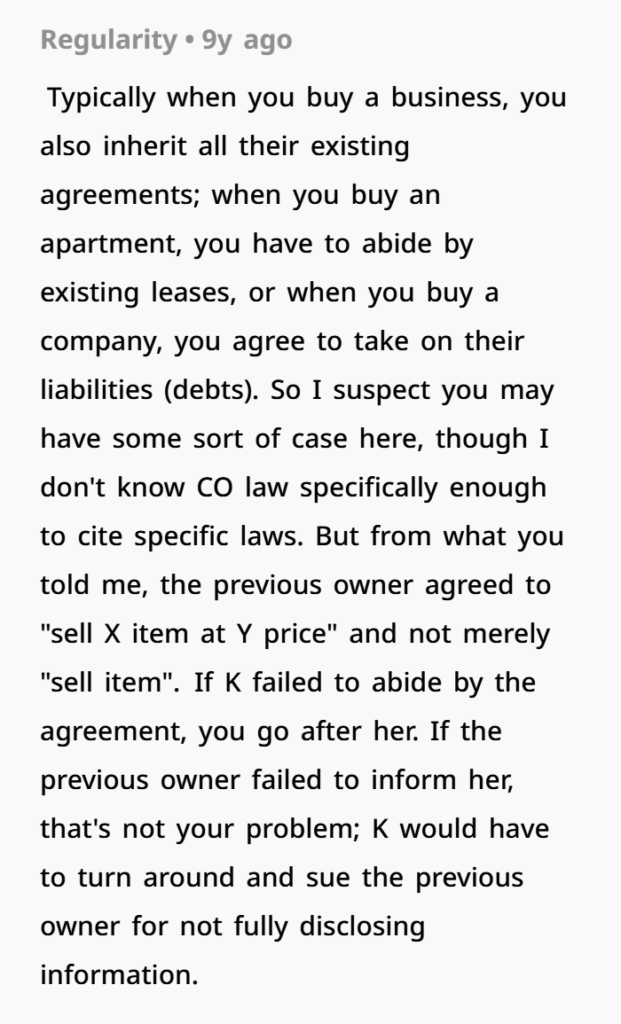
The artist should also try to contact the original shop owner. There may still be a copy of the original contract, an old email, or other documents that explain the agreement. For example, an email showing the agreed artwork price can help confirm the original terms of the sale.
Artists should also learn about their state’s art consignment laws. These laws can vary depending on location, but many places have rules that protect artists when their work is placed in a gallery or store. Understanding these rights can help artists make better decisions when dealing with inventory disputes.
Why Written Contracts Are Important for Artists
A written consignment agreement is one of the most important tools an artist can have. It helps prevent confusion and clearly explains the responsibilities of both the artist and the business.
A good agreement should include details such as:
- Artwork name and description
- Artist information
- Original selling price
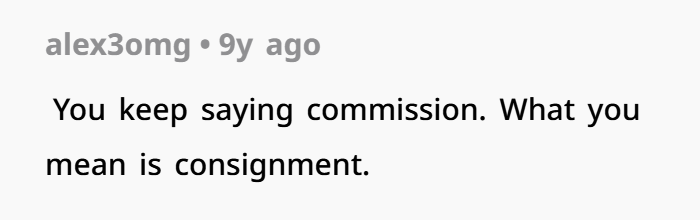
- Commission or payment split
- Payment schedule
- Return policy for unsold artwork
When a store changes ownership, old agreements can sometimes become difficult to manage. Creating a new written agreement with the new owner can help make sure everyone understands the terms.
Relying only on phone conversations or verbal promises can create problems because there may not be clear proof of what was discussed.
Using a Demand Letter to Resolve the Problem
If communication does not solve the issue, an artist may consider sending a formal demand letter.
A demand letter is a professional written request that explains the problem, states what is owed, and gives a reasonable deadline for a solution. The artist may request either the return of the artwork or payment for the sale.
This type of letter can show that the artist is serious about protecting their rights. It can also create a written record that may be useful if further action is needed.
For smaller financial disputes, small claims court may be an option in some areas. It is designed for cases involving limited amounts of money and can be a more affordable legal option compared to a traditional lawsuit.
Keeping Proof of Artwork Sales
Clear sales records are important for both artists and businesses. Receipts, invoices, inventory lists, and payment records can help explain what happened during a transaction.
If there is a disagreement about an artwork’s selling price or payment, proper documentation can make it easier to understand the situation.
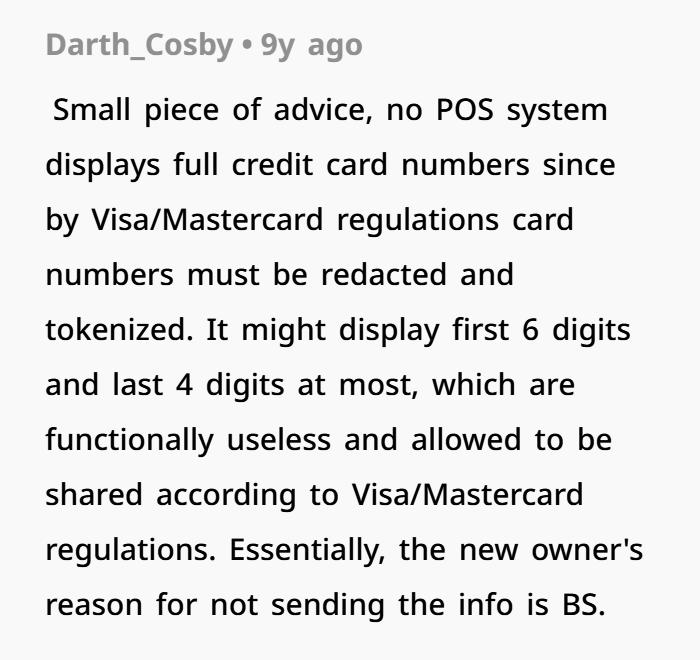
Businesses may also be able to provide proof of a sale while protecting customer privacy. For example, payment details can be removed while keeping important information about the transaction.
If a store refuses to provide information or return artwork, the artist can consider getting legal advice. A qualified attorney can explain possible options based on the specific situation and local laws.
Important Lessons for Every Artist
This situation offers valuable lessons for anyone who sells creative work.
Artists should always keep copies of contracts, receipts, invoices, and important emails. Saving these documents in a secure digital location can help prevent problems if paperwork is lost or a business relationship changes.
It is also important to regularly check on artwork placed in shops or galleries. Artwork sitting in a store for years should not be forgotten. Regular communication helps prevent misunderstandings and keeps inventory records accurate.
Artists should treat their artwork as valuable business assets. Each piece represents time, skill, and effort, so protecting it with proper paperwork is just as important as creating it.
Building a Successful Art Business
A successful art career requires both creativity and good business habits. While paperwork may not be the most exciting part of being an artist, it plays an important role in protecting income and creative work.
Every artwork sent to a retailer should have a clear record, including its value, ownership details, and payment agreement.
By staying organized, understanding art business laws, and maintaining professional relationships with retailers, artists can reduce conflicts and build a stronger foundation for long-term success.
What The Internet Thinks