A Tiny Lease Detail Helps Tenants Take Legal Action Against Their Landlord


Disagreements between tenants and landlords can sometimes become complicated, especially when important home repairs or rental issues are involved. Many people look for fair solutions through communication, agreements, and legal options when problems happen.
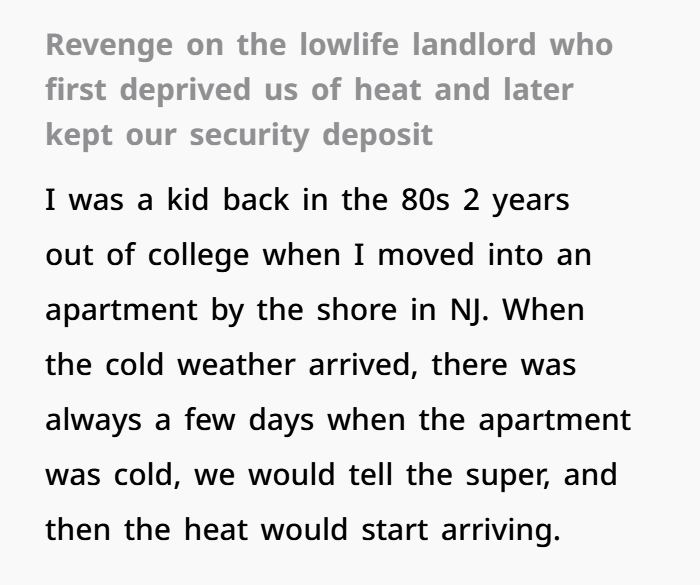
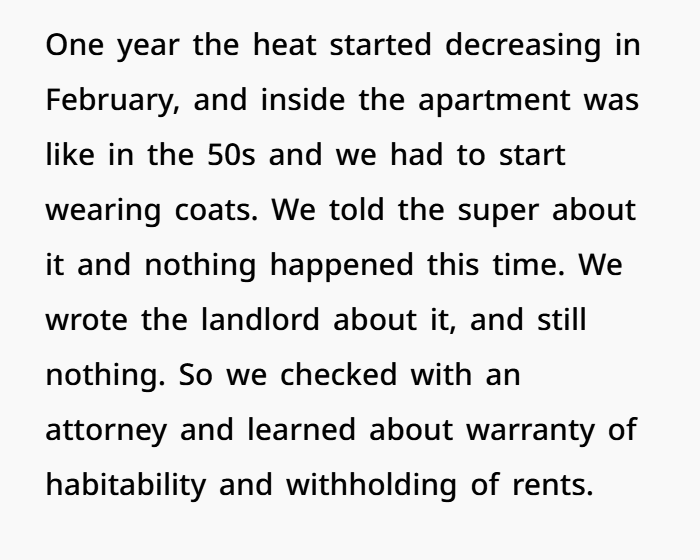
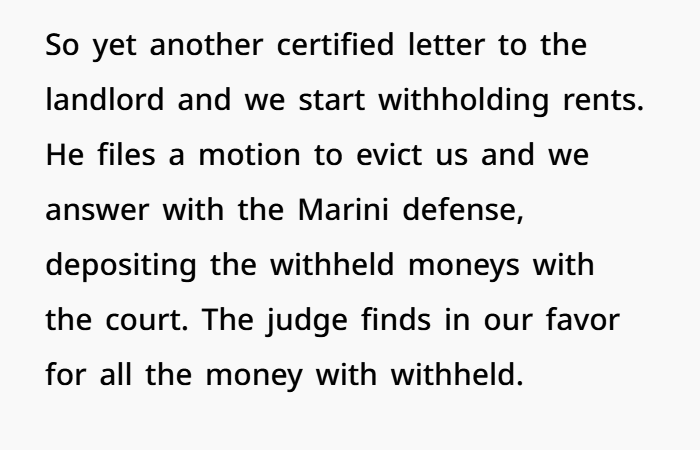
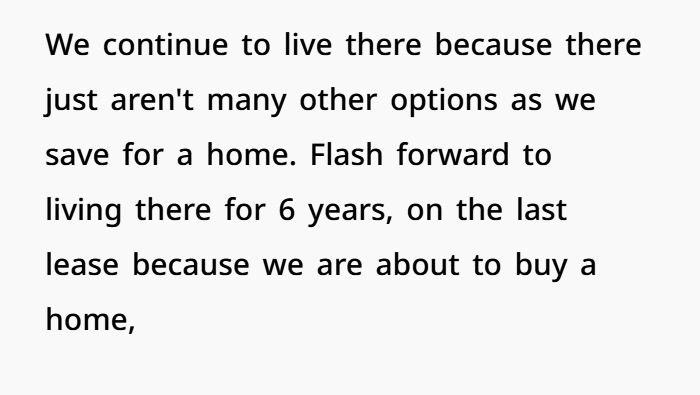
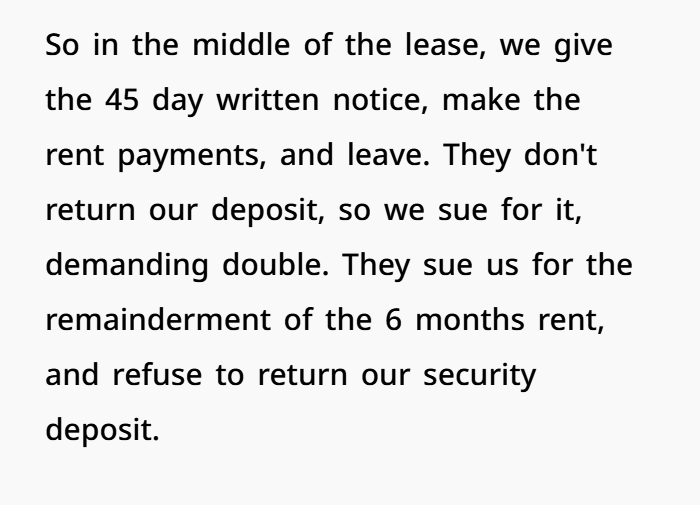
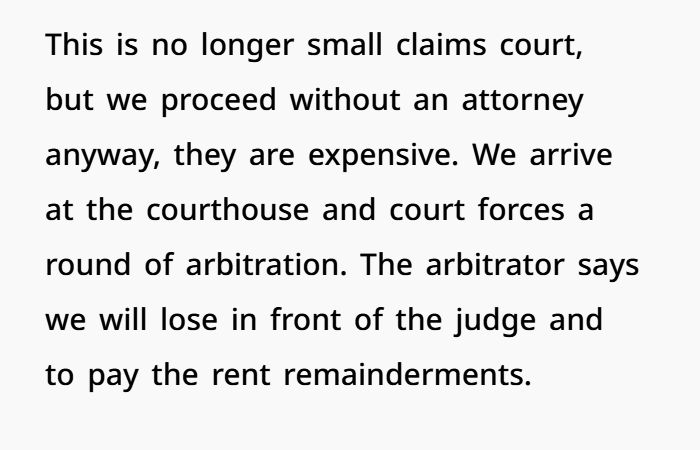
This story follows a tenant who had a difficult experience with a landlord. The disagreement began when a heating problem was not fixed during winter, creating frustration and stress for the renters. The matter eventually moved into a legal process.
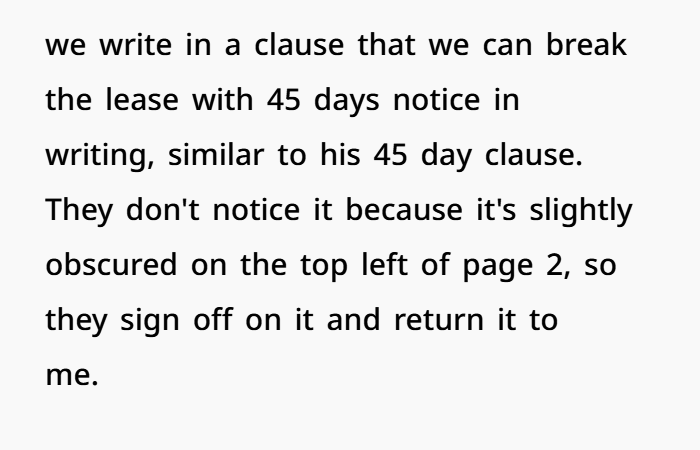
Although the tenants reached a positive outcome, they remembered the situation for years. Later, they used a change in the rental contract to create a new opportunity that caught the landlord by surprise.
The story shows why clear rental agreements, responsible property ownership, and respectful communication matter. Continue reading to see how this landlord and tenant situation unfolded and what lessons can be learned from it.

Have you ever wondered why some people cannot forget when they feel hurt or treated unfairly?
Most people experience anger after being wronged. They may talk to a friend, take some time to cool down, or try to move forward. But some people spend years thinking about what happened and wanting the other person to face consequences.
Psychologists have studied why certain people struggle to let go of grudges. The answer is connected to human nature, emotions, personality, and the way our brains respond to unfair situations.
Why Do Humans Want Revenge?
The desire for revenge has been part of human behavior for thousands of years. Researchers believe that, long ago, seeking justice helped people protect themselves and their communities.
If someone harmed another person and there were no consequences, others might think they could do the same thing without punishment. Responding to unfair actions helped create rules and social balance.
Today, revenge usually looks different. People may seek fairness through conversations, legal systems, or by setting personal boundaries instead of direct retaliation.
Our brains naturally dislike unfair situations. When we see someone avoid responsibility after doing something wrong, we often feel frustrated. This feeling comes from our strong desire for fairness and accountability.
Why Does Revenge Feel Good at First?
Many people believe getting even will make them feel better. Sometimes, planning revenge can create a temporary feeling of satisfaction.
When someone feels powerless after being hurt, taking action can make them feel like they have control again.
For example, if a person is treated unfairly at work, reporting the issue or speaking up may help them feel stronger and more confident.
However, experts say that revenge often does not create the long-term happiness people expect.
Revenge Can Keep You Stuck in the Past
Many people think revenge will bring closure. But research suggests that it can sometimes have the opposite effect.
Instead of forgetting the painful experience, people may continue thinking about it. They may replay the situation again and again, keeping feelings of anger alive.
Psychologists explain that when people choose acceptance and focus on healing, painful memories often become less powerful over time.
But when someone continues focusing on revenge, the problem may stay fresh in their mind.
This does not mean people should accept unfair treatment. Protecting yourself, asking for help, and standing up for your rights are healthy choices. The important thing is finding a solution that supports your emotional well-being.
Personality Can Influence Revenge Behavior
Not everyone handles conflict in the same way. Personality can affect how people respond after being hurt.
Some people are more focused on respect, control, and how others see them. When they feel embarrassed or ignored, they may have a stronger desire to prove their point.
Other people may struggle with overthinking. They may repeatedly think about the event, which can make anger last longer.
People who find it difficult to manage strong emotions may also have a harder time forgiving and moving forward.
The Emotional Cost of Holding a Grudge
Holding onto anger for a long time can affect mental health and overall happiness.
Constantly thinking about a past conflict can create stress, affect relationships, and make it harder to enjoy daily life.
Mental health professionals often recommend healthy ways to deal with anger, including:
- Talking with someone you trust
- Learning healthy communication skills
- Setting clear boundaries
- Focusing on personal growth
- Finding peaceful ways to solve problems
Forgiving someone does not mean saying their actions were acceptable. It means choosing not to allow the situation to control your emotions forever.
Justice Is Important, But So Is Peace
There are times when people need to take action. For example, someone facing unfair treatment may need legal advice, professional support, or help protecting their rights.
Seeking justice in a healthy way can be important. But spending years consumed by anger can also create emotional stress.
Stories about revenge often attract attention because people enjoy seeing fairness restored. It feels satisfying when someone who caused harm finally faces consequences.
However, true healing is not only about winning a fight. It is also about protecting your mental health, creating positive relationships, and building a peaceful future.
Science shows that wanting fairness is a normal part of being human. The real challenge is learning how to respond in a way that protects both your rights and your emotional well-being.
See The Comments Below