Rental Owner Defeats HOA Fine, Then the HOA Leader’s Hidden Truth Comes Out


A homeowners association can provide many benefits, including neighborhood maintenance, shared services, and rules that help protect property values. At the same time, residents expect HOA leaders to make fair decisions and manage community finances responsibly.
In one neighborhood, residents became unhappy with the number of fines being given by the HOA president. They felt that many situations were being treated as rule violations and wanted a more balanced approach.
Their concerns grew when they noticed that monthly HOA fees were increasing. Residents started asking questions about the reason behind the higher costs and how the community’s money was being managed.
For homeowners, understanding HOA agreements, budgets, and financial reports is an important part of protecting their investment. Strong communication and transparency between HOA boards and residents can create a healthier and more positive community.

HOA Dispute Turns Serious After Homeowners Question Association Finances
A homeowners association, commonly known as an HOA, is created to help manage a neighborhood. HOAs usually create community rules, maintain shared spaces, and collect fees from homeowners to pay for important services.
However, problems can happen when residents feel that HOA rules are being unfairly enforced or when there are concerns about how money is being managed.
One homeowner shared a story about a difficult experience with an HOA president. What started as a disagreement over a fine later became a much bigger issue involving questions about HOA finances and leadership.
A Homeowner Has Problems With Strict HOA Rules
After retiring for the second time, the homeowner started working in property management and purchased a luxury home as a rental property.
Soon after becoming part of the community, the homeowner noticed that the HOA had very strict rules. One HOA leader was known for reporting many violations and giving fines to residents.
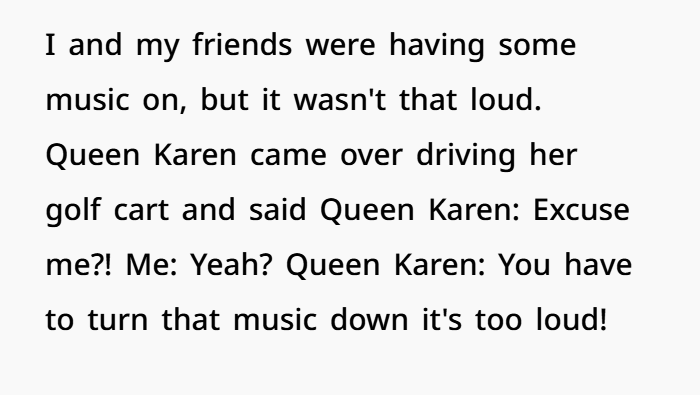
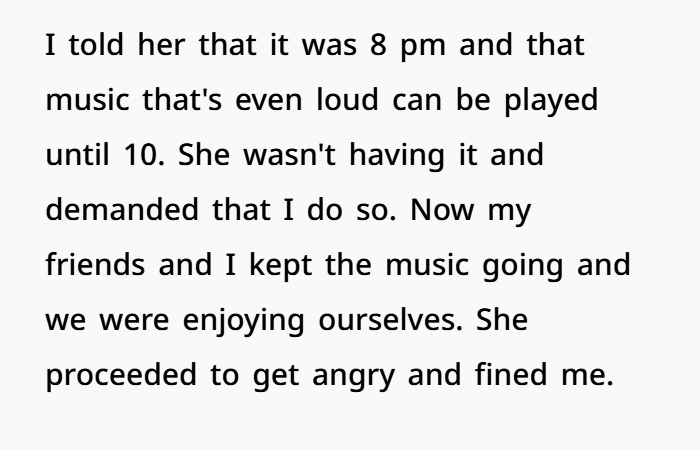
One day, the homeowner was spending time with tenants who were also friends. They were listening to music when the HOA president arrived and asked them to lower the volume.
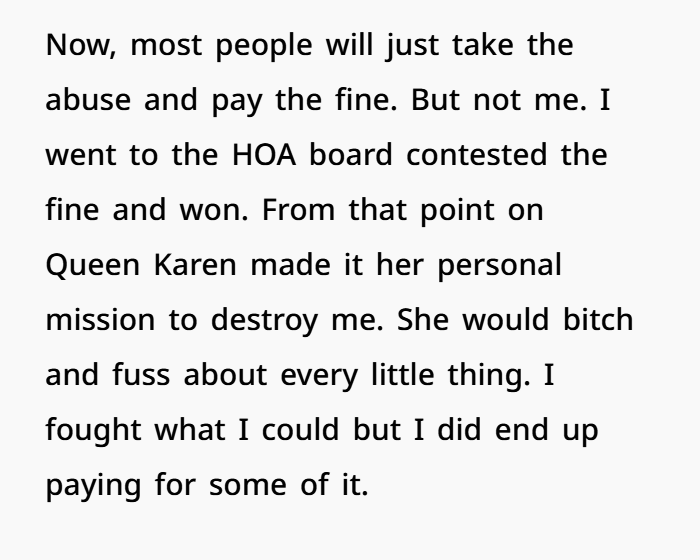
The homeowner later received a fine but decided to challenge it instead of paying immediately. After presenting the issue to the HOA board, the homeowner won the appeal.
This victory created more tension between the homeowner and the HOA leader.
Residents Become Frustrated With HOA Fines
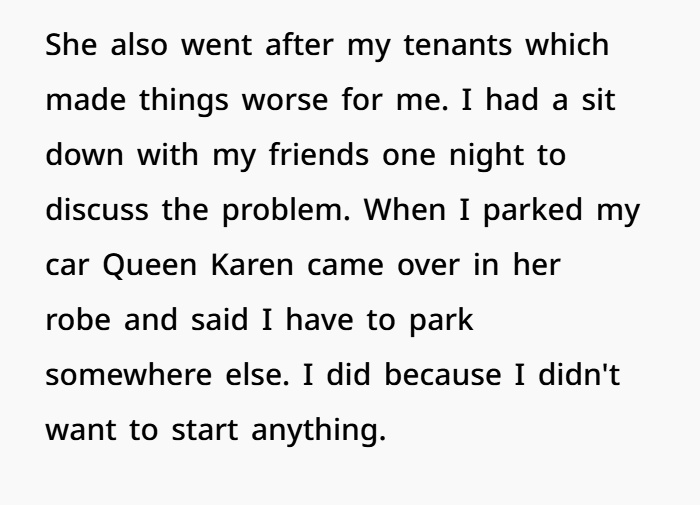
After the disagreement, the homeowner claimed that the HOA president began closely watching the rental property and looking for more possible violations.
Over time, other residents also became frustrated with the number of fines being issued. Some homeowners felt that certain violations were too small or unclear.
HOAs do have the authority to create and enforce community rules, but those rules usually need to follow the association’s governing documents and local laws.
Homeowners should also have the opportunity to understand the reason for a fine and challenge decisions through the proper process.
Questions About Rising HOA Fees
The situation became more serious when residents noticed that the HOA budget had increased.
The HOA president reportedly explained that the extra money was needed for community repairs and future improvements.
HOA fees can increase for many legitimate reasons, including:
- Building repairs
- Landscaping costs
- Insurance expenses
- Maintenance projects
- Emergency funds
A higher HOA fee does not always mean something is wrong. However, homeowners often want clear information about how their money is being used.
Homeowners Request Financial Information
When residents became concerned about the HOA’s finances, they decided to request more details about the association’s spending.
Homeowners often have an interest in understanding important financial records, including:
- Annual budgets
- Expense reports
- Reserve funds
- Meeting records
- Major community expenses
Financial transparency helps homeowners trust that HOA dues are being managed responsibly.
Legal Action Follows Financial Concerns
According to the homeowner’s account, residents later discovered information that led to legal action against the HOA president.
The case reportedly involved accusations of financial misconduct, including claims that HOA funds and fines were improperly used.
Any allegations of fraud or misuse of money must go through the legal system, where evidence is reviewed and decisions are made by the proper authorities.
Why HOA Transparency Is Important
HOA board members have an important responsibility because they manage money collected from homeowners.
Good HOA financial management usually includes:
- Keeping accurate records
- Following approval procedures
- Protecting community funds
- Reviewing financial reports regularly
- Providing information to homeowners
Strong financial controls can help prevent mistakes and protect residents’ investments.
Finding a Fair Balance in HOA Communities
HOAs can provide valuable services and help maintain neighborhood standards. At the same time, homeowners expect fair treatment, reasonable rules, and responsible management.
A healthy HOA depends on trust between residents and board members. Clear communication, fair enforcement, and financial transparency can help prevent conflicts.
For homeowners living in HOA communities, understanding their rights, reviewing association documents, and staying informed about finances can help them make better decisions about their property.
Comments That Say It All