What Being a Teen in the 1980s Was Actually Like Compared to Today’s Digital-Driven World

Imagine being a teenager in the 1980s. There was no internet, no smartphones, and no social media. Phones were only used for calling, not for taking photos, browsing apps, or checking notifications. If you wanted to shop, you went to the mall or looked through a paper catalog. If you had a school assignment, you usually wrote it by hand unless your family owned one of the early home computers.
Life was very different from today. For some people, it may sound difficult, but for many Gen X teenagers, it was an exciting and memorable time. They grew up with MTV, Sony Walkmans, cassette tapes, outdoor adventures, and more freedom to explore the world without constant digital connections.
Thanks to online nostalgia and personal memories from people who lived through the era, many people enjoy looking back at 1980s teen life. It was a time of big hairstyles, colorful fashion, music, movie nights, and simple entertainment before smartphones, online shopping, and digital technology became part of everyday life.
Latchkey kids grew into ’80s teens who had more freedom

Many teenagers in the 1980s had a level of independence that feels unusual today. A lot of kids followed the simple rule of coming home when the streetlights turned on.
There were no GPS tracking apps, smartphone safety tools, or constant messages from parents. Many children spent afternoons outside with friends, riding bikes, playing sports, or exploring their neighborhoods.
Some teenagers were known as “latchkey kids,” meaning they came home to an empty house because their parents were still working. They learned how to manage their time, handle responsibilities, and become independent at a young age.
Getting a driver’s license was another big step toward freedom. Teenagers could borrow the family car, meet friends, visit the mall, go to the arcade, or grab food together. There were no rideshare apps or digital payments — just a car, some cash, and a plan for the day.
Over time, safety concerns and changing parenting styles led to more supervision for younger generations. Many people remember the 1980s as one of the last periods when teenagers had this much freedom.
Home entertainment meant watching movies on cable or VHS
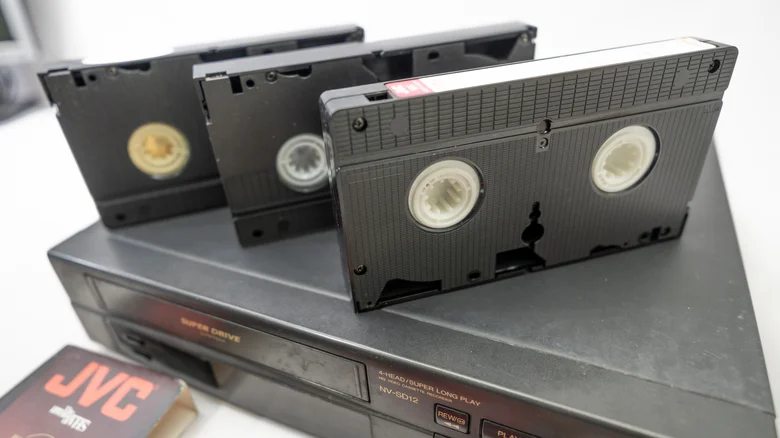
Entertainment at home looked very different in the 1980s. Instead of streaming movies online, families visited video rental stores and picked out VHS tapes for movie nights.
Walking into a video store was an exciting experience. People searched through shelves of movies, hoping their favorite new release was still available. Renting a movie was affordable and often became a fun activity for the whole family.
Movies like “The Princess Bride,” “Dirty Dancing,” “Home Alone,” and “Back to the Future” became popular favorites that many people watched at home.
Cable television was also becoming more common during this time. Channels like HBO brought more movies and special programs into homes. Music channels like MTV changed the way teenagers discovered new songs and artists.
Before streaming services and digital subscriptions, VHS rentals and cable TV were the main ways families enjoyed entertainment at home.
Pre-TikTok video antics were captured on a camcorder

Before TikTok, YouTube, and social media videos, teenagers in the 1980s used camcorders to record their own memories.
These cameras were large compared to today’s smartphones, but they felt exciting and modern. People could record birthday parties, family events, funny moments with friends, and creative videos.
Many teenagers who loved music and movies used camcorders to make their own short videos, including music performances and funny skits.
Watching home videos became a popular way to share memories with family and friends. Shows featuring funny home videos also helped create the early culture of viral entertainment before the internet existed.
Instead of social media, ’80s teens had note passing, slam books, and marathon phone calls

Without smartphones and messaging apps, teenagers in the 1980s found creative ways to stay connected.
Passing handwritten notes in school was a common way to share messages with friends. These notes were like an early version of private online chats, but they were made with paper and creativity.
Slam books were also popular among some teenagers. These notebooks allowed friends to write about their favorite things, opinions, and personal thoughts.
The home phone was another important part of teenage life. Many families shared one landline, which sometimes caused arguments between siblings who wanted to talk with friends.
Long phone conversations were a normal part of growing up. Later, answering machines made it easier to handle missed calls.
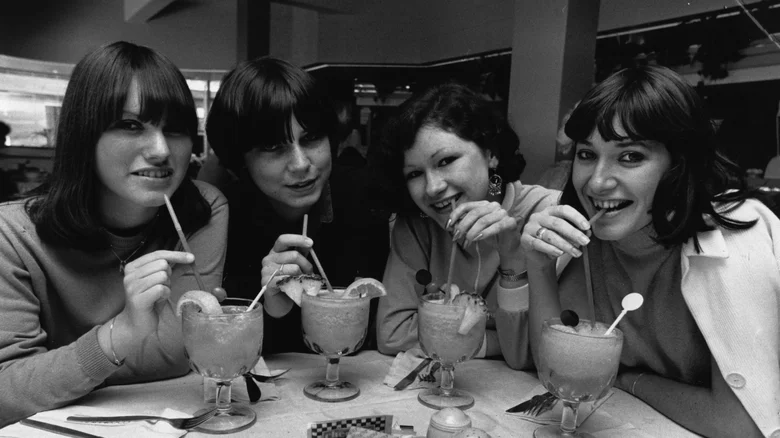
They pretty much lived at the mall after school and on weekends
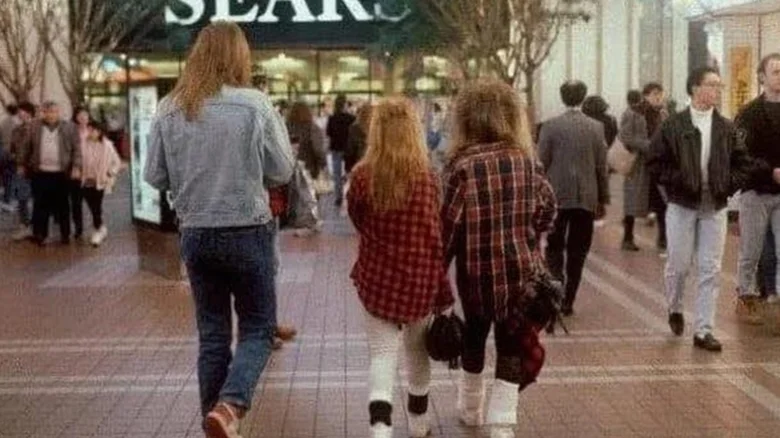
For many 1980s teenagers, the mall was the place to spend time after school and on weekends.
The mall was where people met friends, looked at new fashion trends, listened to music, ate snacks, and simply spent time together. It was like a social network in real life.
Fashion was a major part of teen culture. Popular styles included colorful clothing, denim trends, athletic shoes, and classic 1980s looks.
Music stores were also important places for teenagers who wanted the newest albums and cassette tapes. Stores selling clothing, accessories, and fun items became popular hangout spots.
The food court was another big part of the mall experience. Teenagers enjoyed affordable meals, snacks, and drinks while spending time with friends.
After shopping and eating, many people headed to the movie theater or arcade. Playing video games, collecting high scores, and spending quarters with friends were unforgettable parts of growing up in the 1980s.
The teenage years of the 1980s were filled with simple entertainment, personal connections, and experiences that did not depend on digital technology. For many people, it remains a nostalgic reminder of a slower and more offline way of life.
Video game fanatics would gather at the arcade before Atari brought the fun home
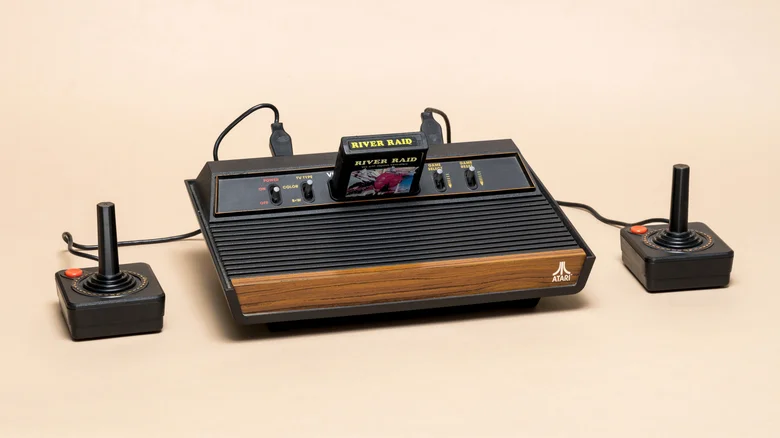
Before people had video game consoles at home, teenagers spent hours at arcades. These colorful gaming places were where friends gathered to play popular games like Pac-Man, Space Invaders, and Asteroids.
Players needed a pocket full of coins and good skills to beat their favorite games. There were no online purchases, subscriptions, or internet gaming. It was simply about having fun and getting a high score.
Home gaming started becoming popular when companies like Atari introduced consoles that allowed people to play games in their own homes. The graphics were simple compared to today’s modern gaming technology, but for teenagers in the 1980s, it felt amazing.
Later, Nintendo released the NES console, which helped make home video games even more popular. Gaming became a favorite hobby for many teenagers, and friends often visited each other’s homes to play together.
Because online gaming did not exist, playing video games was a more social experience. Friends had to meet in person, share controllers, and enjoy the moment together.
They recorded their favorite songs from the radio
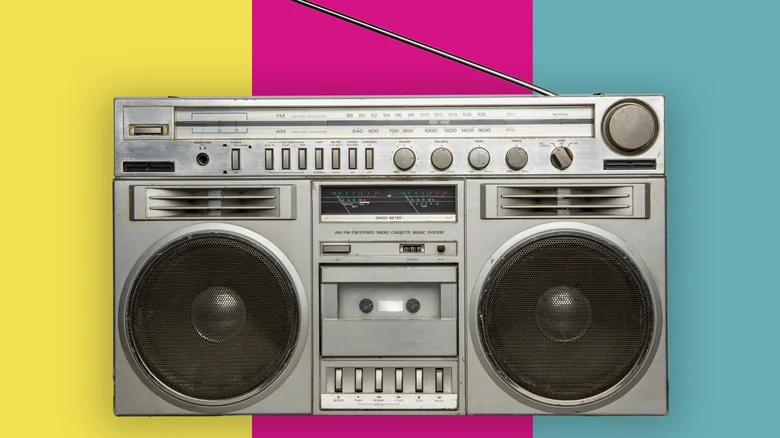
Music was a huge part of teenage life in the 1980s. But unlike today, there were no music streaming apps or digital playlists.
Teenagers used cassette recorders to record songs from the radio. It was an affordable way to collect favorite songs without buying every album.
Many teens listened to popular radio shows that shared the biggest hits of the week. If they timed it correctly, they could record their favorite songs and create their own custom playlists.
These homemade playlists were called mixtapes. A mixtape could include many different artists and styles of music. Giving a special mixtape to a friend or someone you liked was a meaningful gesture during that time.
For listening outside the home, many teenagers used portable music players like the Sony Walkman. Others carried large boomboxes to share music with friends.
Having stylish hair meant using tons of product

Hair styles in the 1980s were bold and creative. Many teenagers spent a lot of time creating the perfect look.
Popular styles included big hair, feathered looks, perms, and mullets. Many people used hair gel, mousse, and hairspray to keep their hairstyles in place.
Some styles became famous because of musicians, actors, and pop culture trends. Hair was not just about appearance — it was a way for teenagers to show their personality.
The goal was often bigger, brighter, and more noticeable styles that represented the fun fashion of the decade.
MTV was their main source of music videos before it became a reality show hub
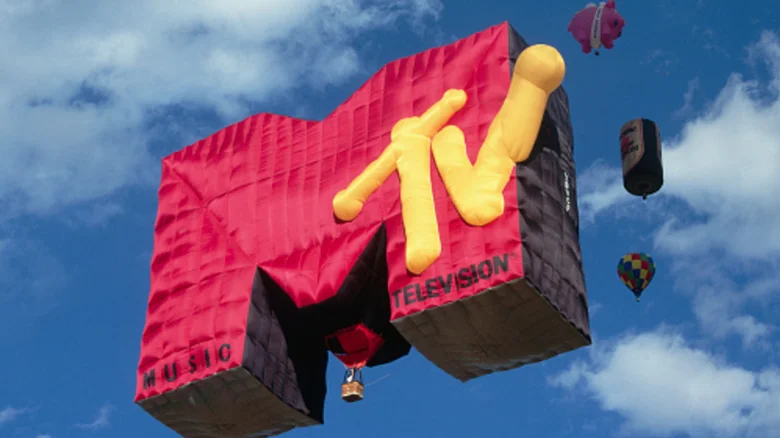
Before YouTube and music streaming services, MTV was one of the biggest ways teenagers discovered new music.
The channel launched in 1981 and played music videos throughout the day. Teenagers would watch their favorite artists, learn new songs, and follow music trends.
Artists like Madonna, Michael Jackson, Duran Duran, and Cyndi Lauper became even more popular because of their creative music videos.
Music videos became an important part of entertainment and fashion. They influenced hairstyles, clothing choices, and youth culture around the world.
Over time, MTV changed its programming, but many people still remember the 1980s as a special time for music television.
Homework was mostly done by hand since home computers were rare
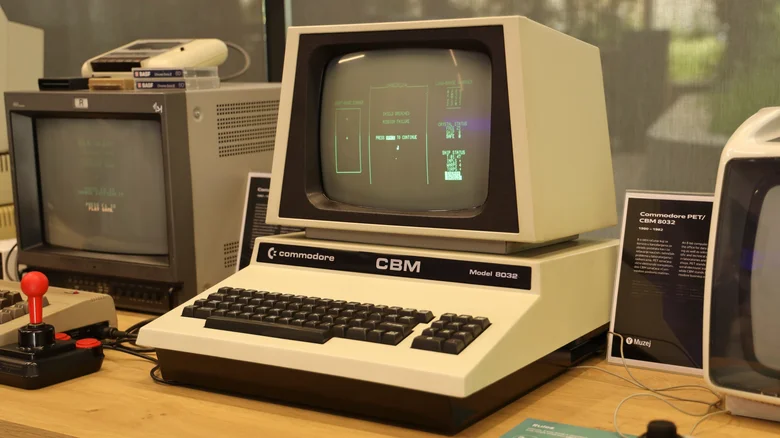
Technology at home was very different in the 1980s. Personal computers existed, but many families did not own one.
Early computers were expensive and not common in most homes. Some families had computers like the Commodore 64 or early Apple computers, but many students still completed schoolwork the traditional way.
Most homework was written by hand. Students used notebooks, pencils, pens, and folders to organize their assignments.
If someone had access to a computer, they could type their work, but printing documents was slow compared to today’s technology.
There were no online classrooms, email submissions, or digital homework platforms. Students usually completed assignments and handed them directly to their teachers.
’80s teens had to contend with the Satanic Panic

The 1980s included many discussions about youth culture, music, movies, and entertainment.
Some parents worried about certain songs, films, and games influencing teenagers. These concerns led to debates about what content was suitable for young people.
One example was the discussion around music warning labels. Some groups wanted clearer labels on albums with mature themes.
There were also concerns about fantasy games like Dungeons & Dragons because some people misunderstood the themes of these games.
These debates became a memorable part of 1980s culture and showed how every generation has different opinions about entertainment and trends.
‘Totally rad’ and ‘grody to the max’ were the ’80s teens’ ‘based’ and ‘cringe’

Every generation creates its own slang, and teenagers in the 1980s had many popular expressions.
Words like “totally rad,” “tubular,” and “gnarly” became strongly connected with the decade. Hip-hop, skateboarding, surfing, and movies also influenced the way young people spoke.
Unlike today, where new words can spread around the world through social media in a few hours, 1980s slang spread more slowly through television, music, movies, and local communities.
Today, many of these words bring back memories of 1980s fashion, entertainment, and teenage culture.
The teenage experience of the 1980s was shaped by simple technology, strong friendships, creative entertainment, and a world before smartphones and social media. For many people, it remains a nostalgic reminder of a unique time in modern history.