The Fate of the Survivors of Hiroshima and Nagasaki

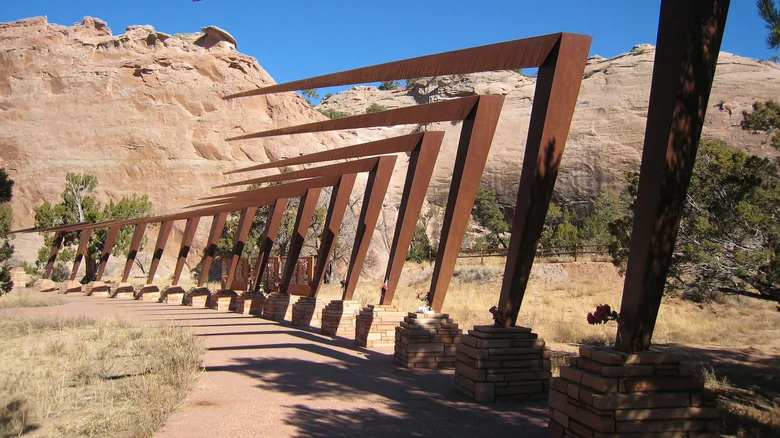
The atomic bombings of Hiroshima and Nagasaki in 1945 changed many lives forever. The events of August 6 and August 9 were not only about the immediate destruction. Many survivors faced difficult challenges for years after the war.
People who survived the bombings are known as hibakusha. Some survivors stayed quiet about their experiences because they faced misunderstanding and unfair treatment. Over time, many decided to share their stories to educate others and support peace around the world.
Their lives show incredible courage, strength, and determination. Some became famous scientists, artists, athletes, and peace activists. Their journeys remind us about the importance of history, human resilience, and working toward a safer future.
Issey Miyake
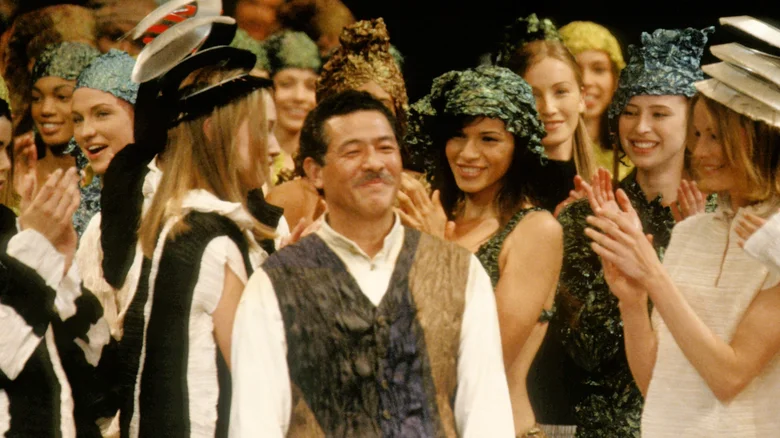
Issey Miyake was only 7 years old when the atomic bomb was dropped on Hiroshima. The experience stayed with him throughout his life. His mother later passed away because of health problems linked to radiation exposure.
Although Miyake became one of the world’s most respected fashion designers, he rarely spoke publicly about surviving Hiroshima. He did not want people to know him only as “the designer who survived the atomic bomb.” He wanted to be recognized for his creativity and work.
Miyake became famous for his unique clothing designs, including the simple black turtleneck style loved by Apple founder Steve Jobs. Years later, he shared his story to support conversations about peace and reducing the threat of nuclear weapons.
Issey Miyake passed away in 2022 at the age of 84, leaving behind a remarkable legacy in the fashion industry.
Osamu Shimomura
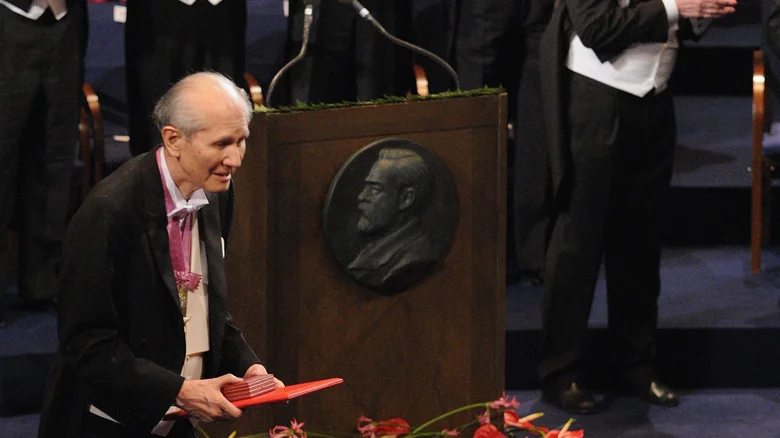
Osamu Shimomura was 16 years old when Nagasaki was bombed. At that time, he was working in a factory during World War II.
After the war ended, Shimomura wanted to continue his education. The destruction caused by the bombing made his path difficult, but he continued studying and eventually built an amazing scientific career.
His research led to the discovery of green fluorescent protein (GFP) from jellyfish. This discovery became extremely important in medical research, including studies related to cancer and biology.
In 2008, Shimomura received the Nobel Prize in Chemistry for his groundbreaking work. His story shows how education, curiosity, and determination can create positive change.
He passed away in 2018 at the age of 90.
Sadako Sasaki
Sadako Sasaki was only 2 years old when Hiroshima was bombed. She survived the event but later developed a serious illness linked to radiation exposure.
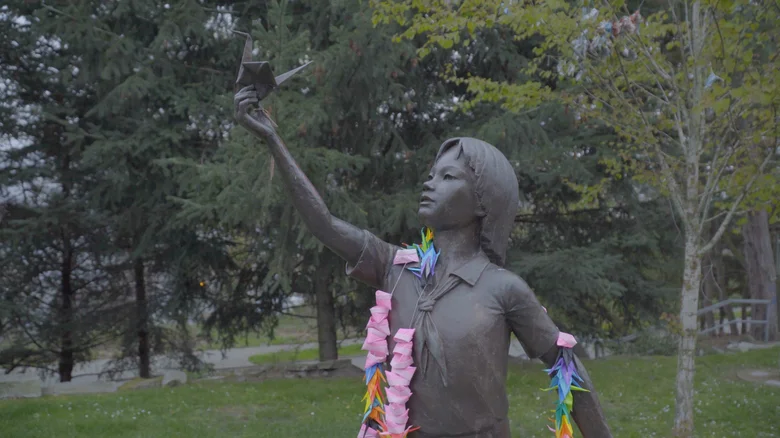
During her time in the hospital, Sadako learned about the Japanese tradition of folding 1,000 paper cranes as a symbol of hope. She began folding cranes while wishing to recover and return to school.
Although Sadako passed away at a young age, her story touched people around the world. She became a symbol of peace, hope, and the wish for a world without nuclear weapons.
Memorials honoring Sadako have been created in places like Hiroshima and Seattle, keeping her message alive for future generations.
Isao Harimoto
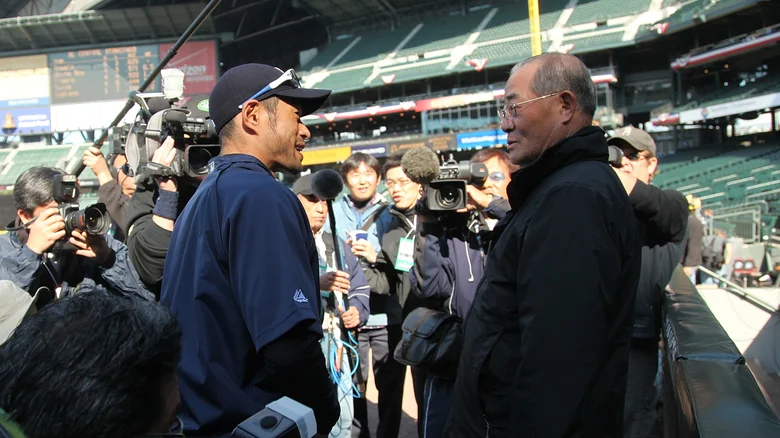
Isao Harimoto was 5 years old when he experienced the Hiroshima bombing. He lost his older sister and saw the emotional impact it had on his family.
Despite facing many challenges, Harimoto built an incredible career in baseball. He became one of Japan’s greatest baseball players and set a record with 3,085 career hits in Nippon Professional Baseball.
Even after becoming a sports legend, Harimoto continued to remember the impact of Hiroshima. His story shows how people can overcome difficult beginnings and achieve greatness.
Joe Kieyoomia
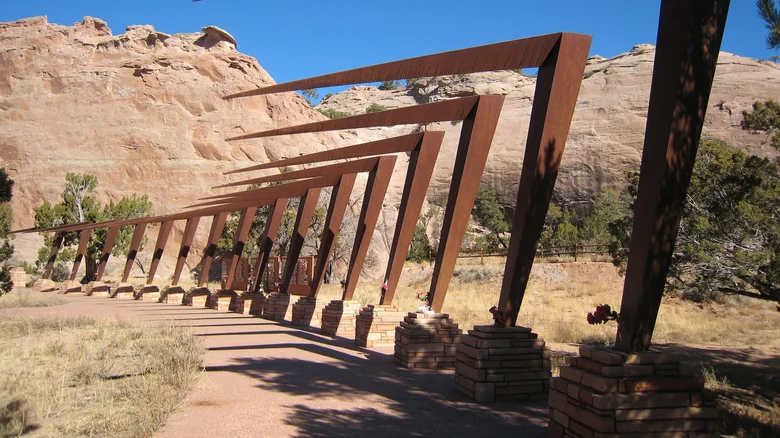
Joe Kieyoomia’s story is a tale of incredible survival. He was a U.S. POW imprisoned in Nagasaki when the atomic bomb was dropped. The bomb was originally meant for Kokura, but bad weather shifted its course, and Nagasaki became the target. This unfortunate twist of fate meant Kieyoomia, who had already survived the brutal Bataan Death March, faced yet another horrific event.
Kieyoomia, a Navajo, had previously been tortured by the Japanese in an attempt to break the code used by the U.S. Code Talkers. Although he wasn’t one of them, he recalled, “When they first made me listen to the broadcasts, I couldn’t believe what I was hearing… it sounded like Navajo, just not anything that made sense to me.” His failure to break the code angered his captors, but he survived.
Finally liberated almost a month after the bombing, his injuries were so severe that he didn’t return to New Mexico for another four years. He later became an award-winning jewelry maker and received a Bronze Star 40 years after the war. He humbly said, “I earned this Star… I really suffered for this.”
Setsuko Thurlow
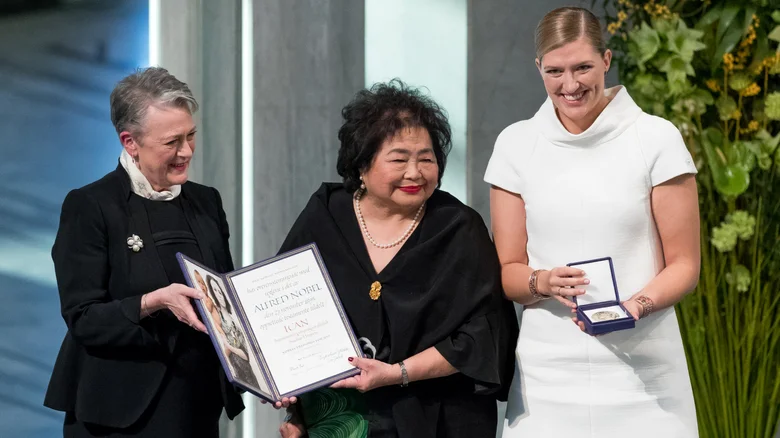
Setsuko Thurlow was only 13 years old when the atomic bomb was dropped on Hiroshima. She survived, but many people around her, including family members and classmates, did not.
After the war, Setsuko moved to Canada and dedicated her life to peace activism. She became one of the important voices behind the movement to reduce the threat of nuclear weapons.
She helped support the International Campaign to Abolish Nuclear Weapons (ICAN). In 2017, when ICAN received the Nobel Peace Prize, Setsuko accepted the award on behalf of the organization.
Through her speeches and public work, she shared the stories of survivors and encouraged countries to work together for a more peaceful world.
Masaru Kawasaki
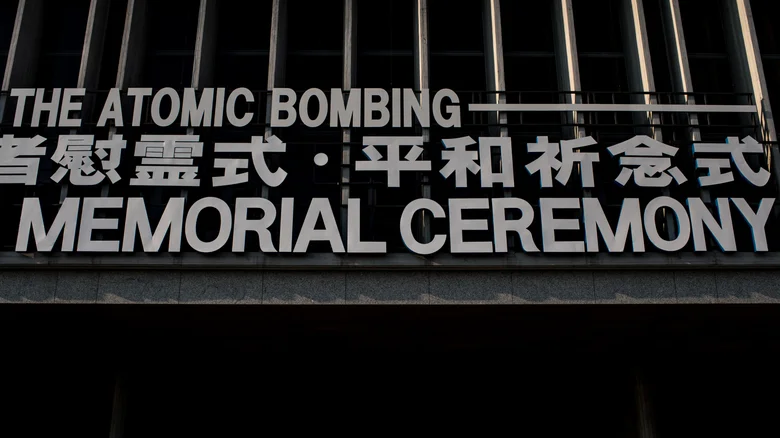
Masaru Kawasaki was 21 years old when Hiroshima was bombed. At the time, he was a soldier on medical leave and was close to the area where the explosion happened.
Although he survived, the experience stayed with him for many years. After the war, Kawasaki followed his passion for music. He studied composition and became a talented musician.
He received a UNESCO scholarship to study at The Juilliard School and later worked as a conductor and composer.
For many years, Kawasaki avoided using his experience of the bombing in his music. However, the memory eventually inspired him to create meaningful works that reflected his feelings about war and peace.
His music continues to be connected with Hiroshima’s peace memorial events.
Tsutomu Yamaguchi
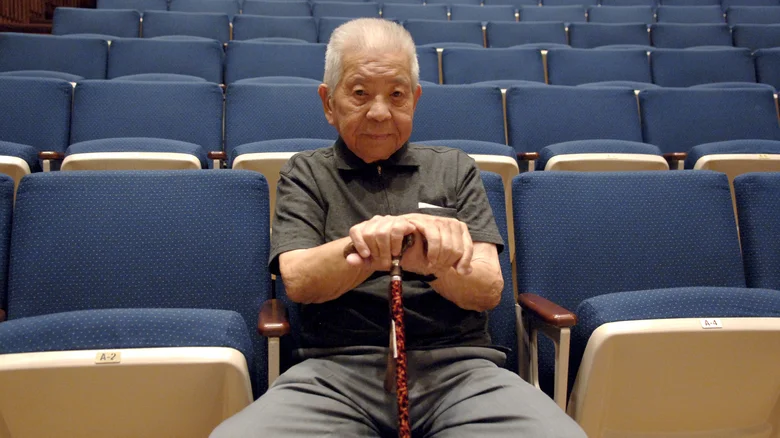
Tsutomu Yamaguchi has one of the most unusual survival stories in history. He was in Hiroshima on a business trip when the first atomic bomb was dropped on August 6, 1945.
After surviving that event, he returned to his hometown of Nagasaki. Just days later, he experienced the second atomic bombing.
For many years, Yamaguchi rarely spoke about his experiences. Later in life, he decided to share his story to support peace and encourage people to understand the effects of nuclear weapons.
He wrote about his life and appeared in documentaries about atomic bomb survivors. In 2009, he was officially recognized as a person who survived both bombings.
Yamaguchi passed away in 2010 at the age of 93, leaving behind a powerful message about peace.
Koko Kondo
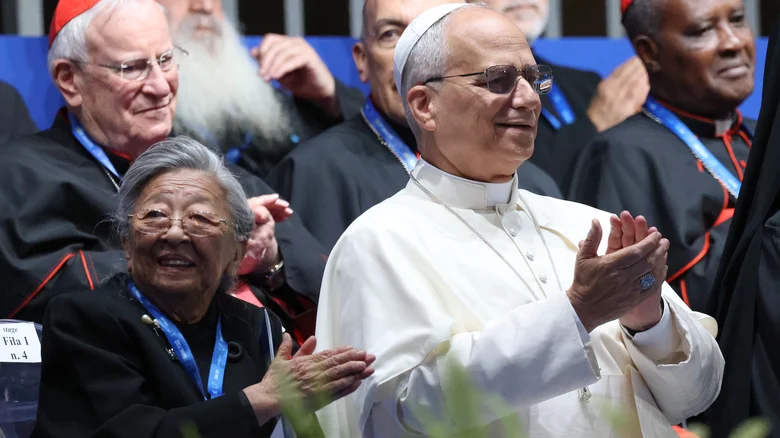
Koko Kondo was just a baby when Hiroshima was bombed, so she did not remember the event herself. However, she grew up seeing how the bombing affected her family and other survivors.
Her father, a minister, helped many people who suffered after the bombing. As a child, Kondo struggled with feelings of anger and sadness about what happened.
When she was 11 years old, she met Captain Robert Lewis, one of the pilots of the Enola Gay aircraft. The meeting changed how she viewed the past. She realized that ordinary people on all sides had been affected by war.
As an adult, Kondo became a peace activist. She shared her story and worked to promote understanding, forgiveness, and a world with fewer nuclear threats.
Shigeaki Mori
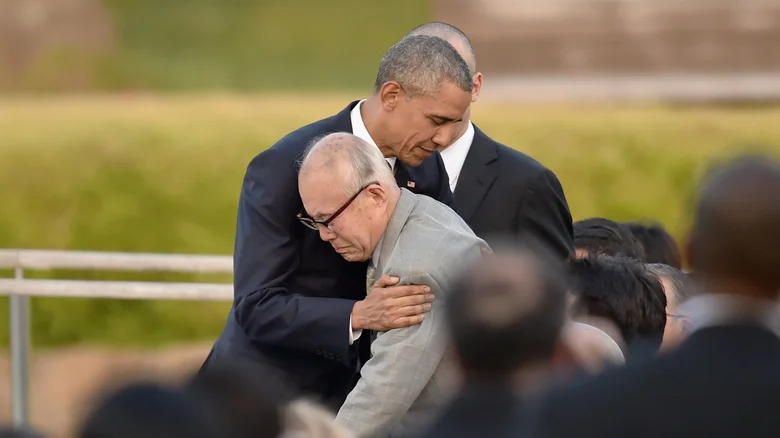
Shigeaki Mori was 8 years old when Hiroshima was bombed. After surviving the event, he later became a historian and dedicated his life to researching the people affected by the bombing.
Mori focused on American prisoners of war who were in Hiroshima during the attack. He worked to make sure their stories were also remembered.
He also researched other victims of the war and believed that remembering every person affected by conflict was important.
Mori wanted future generations to understand that war causes suffering for people from many backgrounds. His work became an important part of World War II history.
Shigeko Sasamori
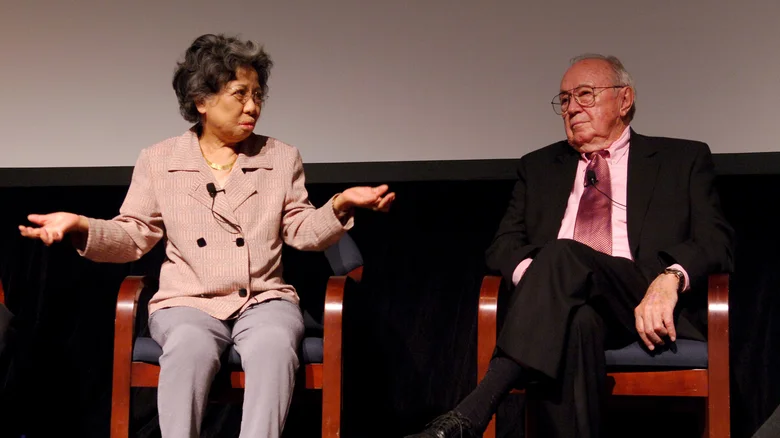
Shigeko Sasamori was 13 years old when she survived the Hiroshima bombing. She suffered serious injuries but continued moving forward with strength and determination.
In 1955, she became one of the young survivors known as the “Hiroshima Maidens.” They traveled to the United States for medical treatment that helped improve their lives.
The experience introduced Sasamori to many people who supported her recovery. Later, she moved to the United States, worked as a nurse, and became a peace advocate.
She shared her story to encourage people to prevent future conflicts. Sasamori believed that spreading kindness and understanding was more important than holding onto anger.
She passed away in 2024 at the age of 92.
Takashi Nagai
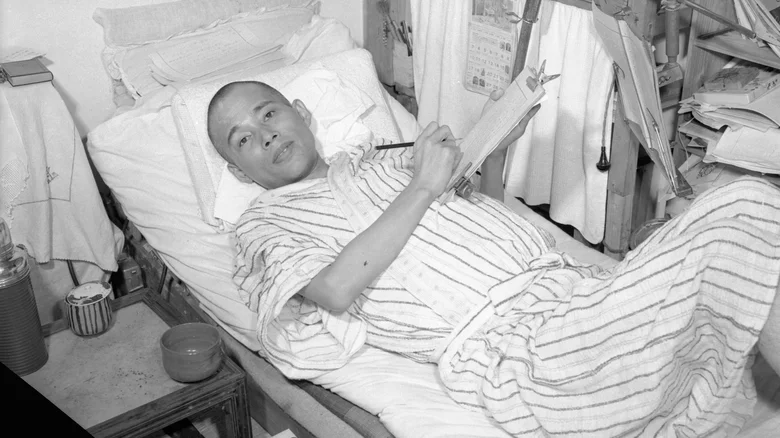
Takashi Nagai was a doctor and radiologist living in Nagasaki when the atomic bomb was dropped. He was already facing serious health problems because of his medical work with radiation.
After the bombing, Nagai lost his home and his wife. Despite his personal loss, he chose to focus on helping others and sharing messages of hope.
He wrote books about his experiences, including The Bells of Nagasaki, which became widely known. His story inspired many people around the world.
Nagai’s life showed the power of faith, compassion, and resilience during difficult times. He passed away in 1951, but his message of peace continues to be remembered.