
AITA for Telling My Brother He’s Controlling After He Called Me the Golden Child?
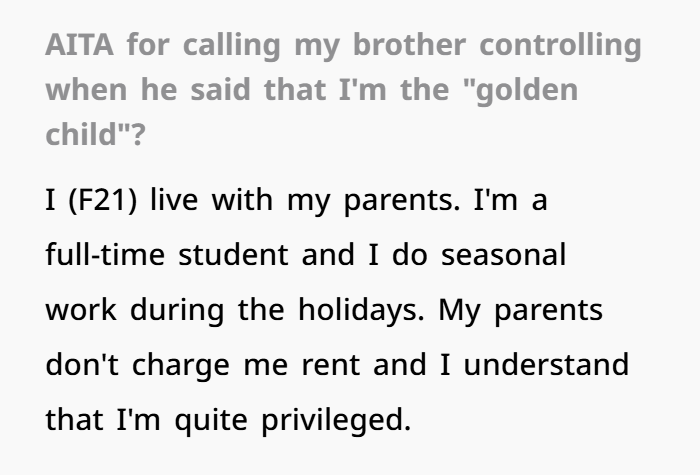
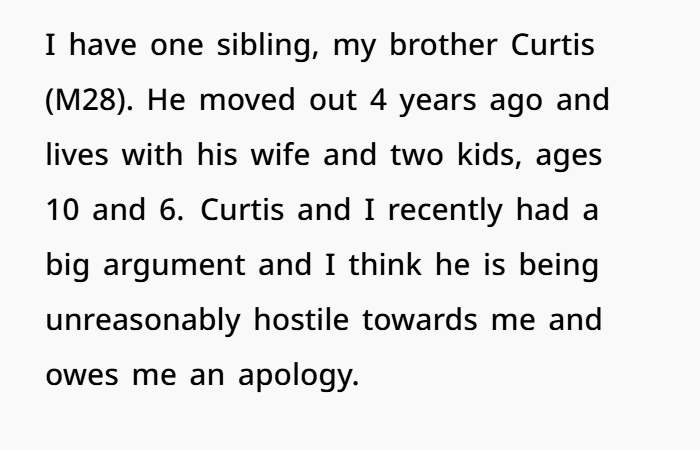
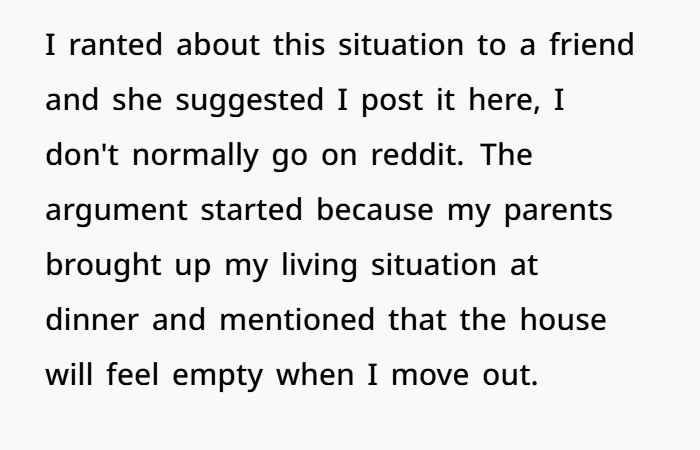
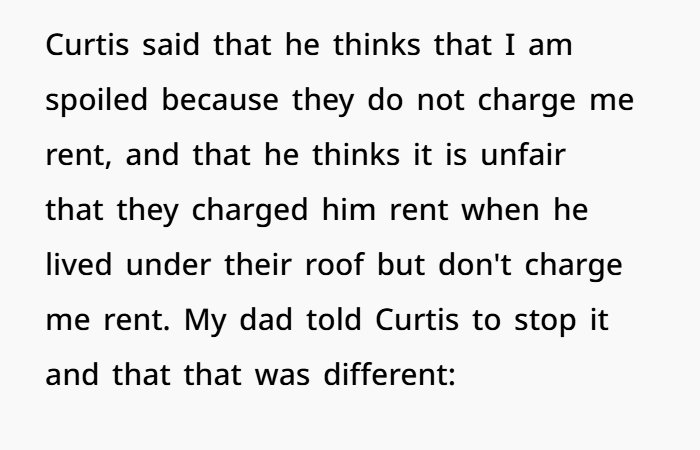
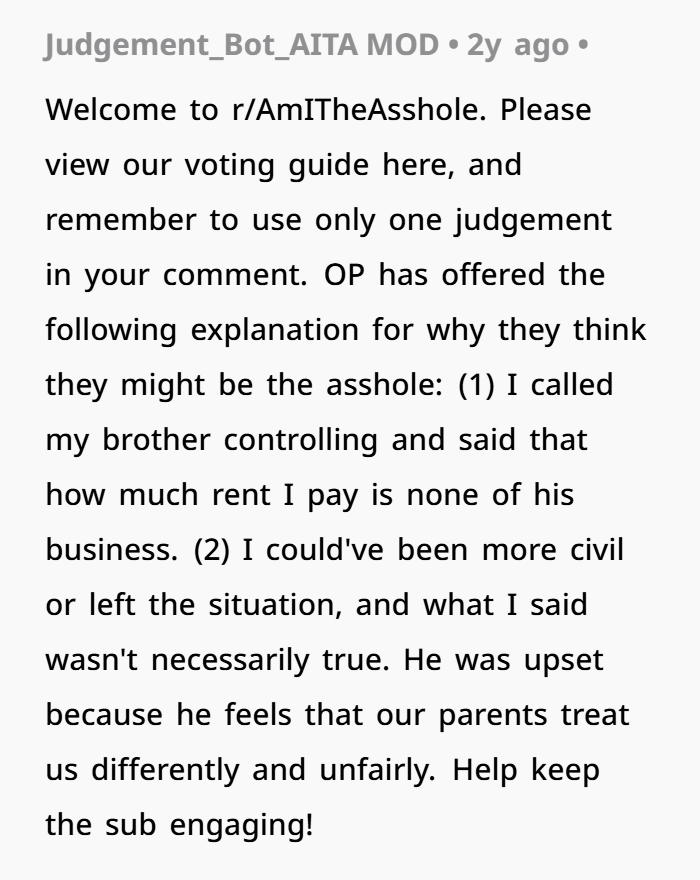
This one’s messy, like holiday dinners with tension just simmering under the surface. OP is a 21-year-old full-time student who lives at home rent-free. She works seasonally and acknowledges she’s privileged. Her brother Curtis, 28, has been out of the house for years and has a wife and two kids. But when the topic of OP moving out came up at dinner, Curtis went off — saying she’s spoiled, the “golden child,” and coddled by their parents.
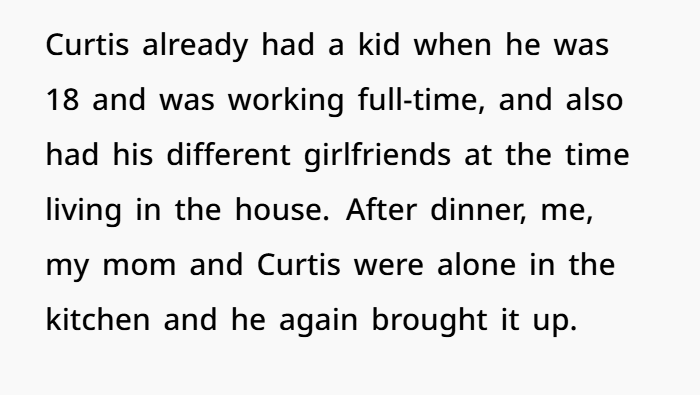
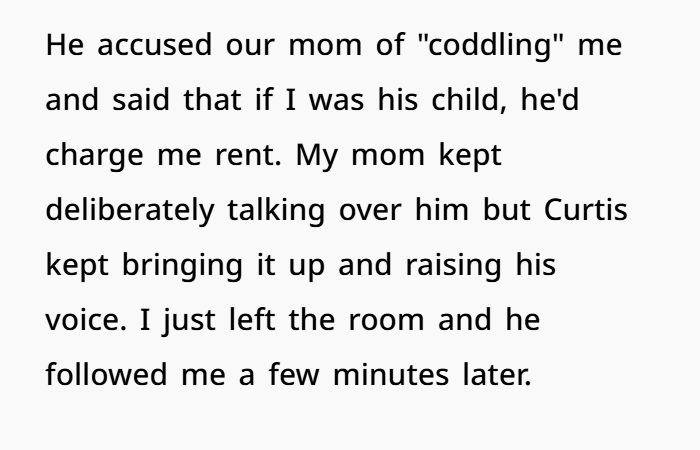
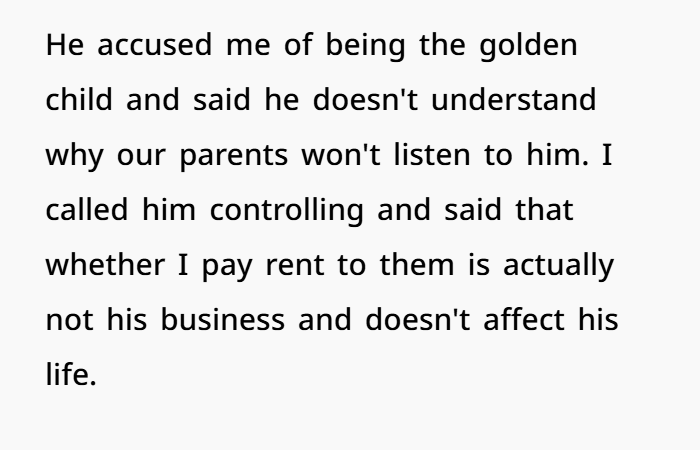
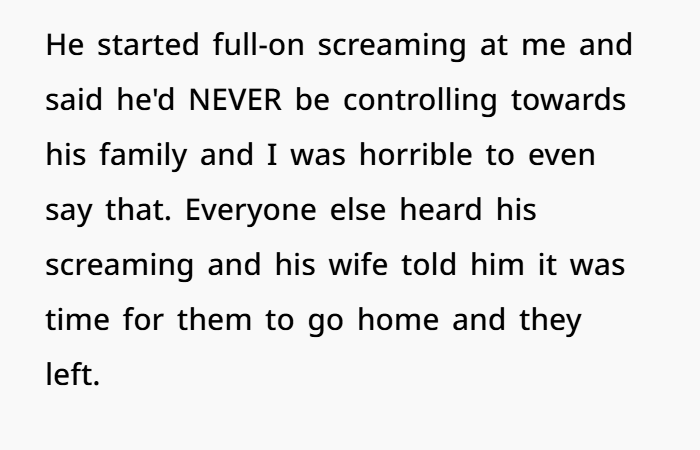
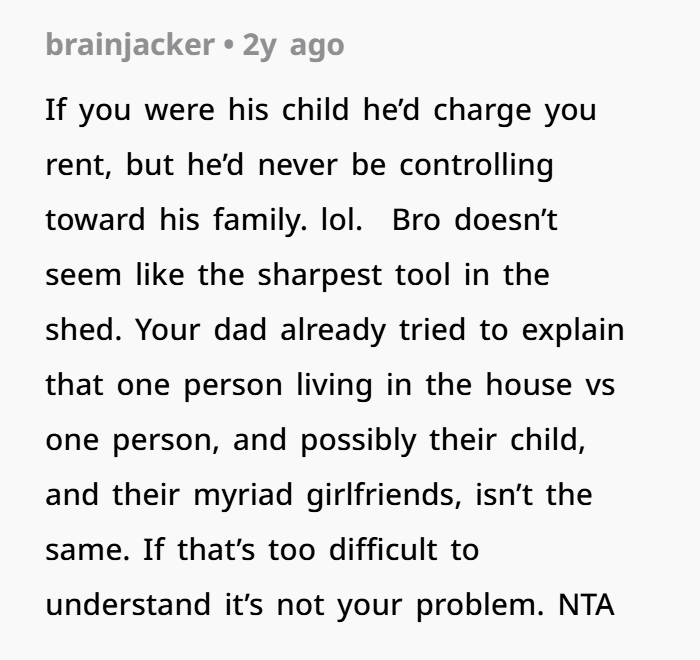
It turns out Curtis paid rent when he lived at home, but there’s a big context difference: he had a kid at 18, was working full-time, and even had girlfriends living in the house. Their dad reminded him of that, trying to shut the argument down. But Curtis wouldn’t let it go, even cornering OP later in the kitchen. After she told him his behavior was controlling, he blew up, started screaming, and his wife had to drag him out. Now OP’s wondering — was she the jerk for calling him controlling? Or did she just hold a mirror up to years of resentment?
Each child is unique, which means they need different things from their parents

This brother doesn’t agree and demanded that his sister pay rent to their parent because that’s what he had to do

Let’s get into the heart of this — because this story touches on family favoritism, financial expectations, rent fairness, and adult sibling rivalry. And we’re going to keep it honest, because real-life families aren’t neat little sitcoms. They’re complicated. And they carry baggage.
1. “Golden Child” Syndrome vs. Contextual Parenting
The term “golden child” gets thrown around a lot, but what does it actually mean? It usually refers to a child in the family who is seen as being given special treatment, shielded from consequences, or excessively praised. And yeah — sometimes it’s real. But in a lot of cases, it’s perception, not reality.

In this case, Curtis believes OP is the golden child because:
- She isn’t being charged rent
- Their parents “coddle” her
- They seem more emotionally protective of her
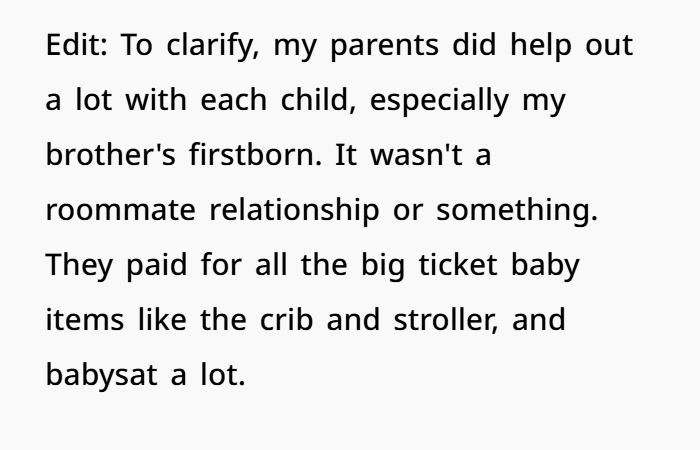
But here’s the thing: OP’s living situation is totally different from his.
Curtis was 18 with a child, a full-time job, and girlfriends living in the house. That’s not a typical teen-at-home situation. He was basically running a mini household under his parents’ roof. No wonder they charged him rent — it wasn’t about punishment, it was about responsibility.
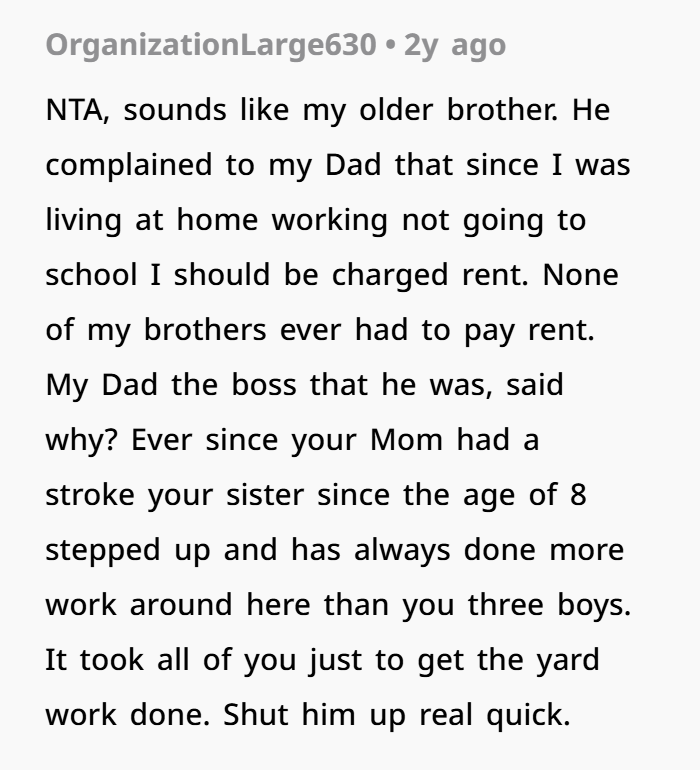
OP, on the other hand, is still in school, isn’t a parent, and works seasonally. There’s a solid argument that helping her out with rent now is a form of educational support, not favoritism.
So what Curtis sees as “golden child” treatment could just be situational parenting. Parents don’t have to treat every child exactly the same. They treat them based on their individual needs and contexts. That’s not unfair — that’s parenting.
2. Let’s Talk Rent — Is It Fair to Charge One Child But Not the Other?
Rent is a hot topic. In Australia, the US, UK — everywhere, rent is brutal. And with the cost of living crisis, parents and adult kids are negotiating boundaries more than ever.
High CPC keyword alert: cost of living support, rent-free housing, intergenerational financial help
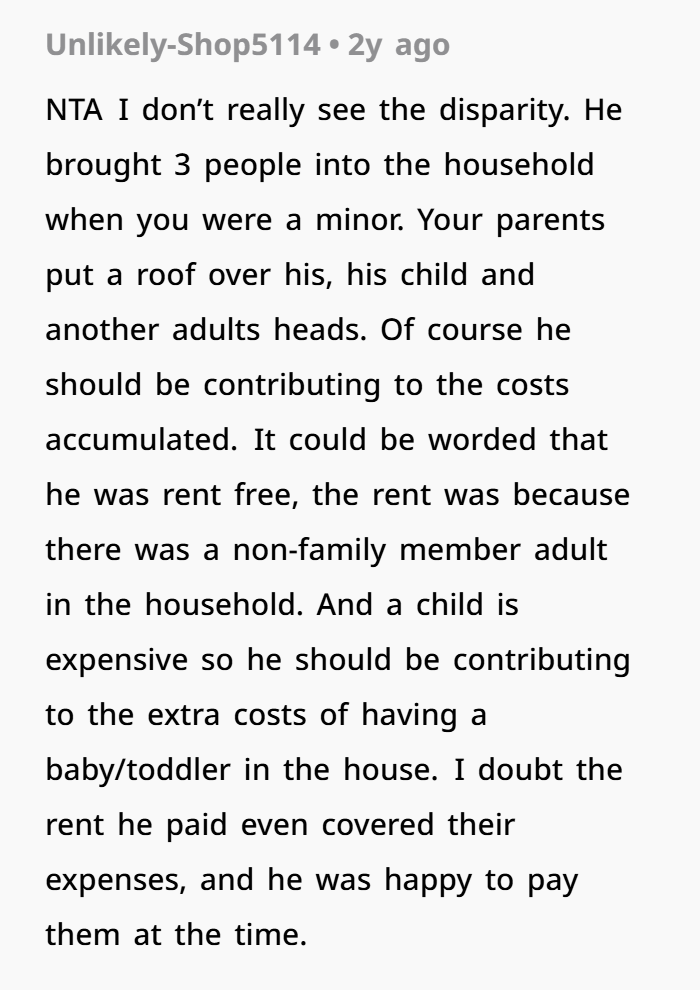
So, is it unfair that OP’s getting rent-free housing while Curtis didn’t? Maybe it feels unfair. But again, the context is everything.
Here’s what makes it reasonable:
- OP is still studying, which limits her earning power
- Seasonal work doesn’t offer stable income
- Living at home might allow her to save money, reduce debt, and get a stronger financial start
Many parents choose to waive rent for students — especially if the student is working hard or pursuing a degree. That’s not favoritism. That’s long-term planning.
Curtis, on the other hand, wasn’t in school. He was working full-time and had adult responsibilities. At that point, paying rent becomes about contributing, not punishment.
3. When Past Resentments Masquerade as Current Injustice
Let’s be real: Curtis probably isn’t mad just about the rent. He’s probably still carrying years of unspoken resentment, stress, and maybe even regret.
He had a child at 18. That’s a massive life change. And he may have felt he had to grow up too fast while OP got to “stay the baby.”
This happens a lot in families — one sibling gets burdened with responsibility early, while the younger one gets to “coast.” Even if that’s not what’s actually happening, it feels that way.

The problem is, that’s not OP’s fault. It’s not her responsibility to balance the scales of Curtis’s life. She didn’t make him a teenage dad. She didn’t ask to be treated differently.
So when she told him he was being controlling — she wasn’t being cruel. She was setting a boundary. She reminded him that decisions about her life, especially ones made between her and her parents, aren’t his to make.
4. What’s Actually Controlling — and What’s Just Frustration?
Curtis may not see himself as controlling. But his actions say otherwise.
- He kept pushing the rent issue even after dinner ended
- He brought it up again in the kitchen
- He raised his voice and cornered OP over it
- He got furious when she didn’t agree with him
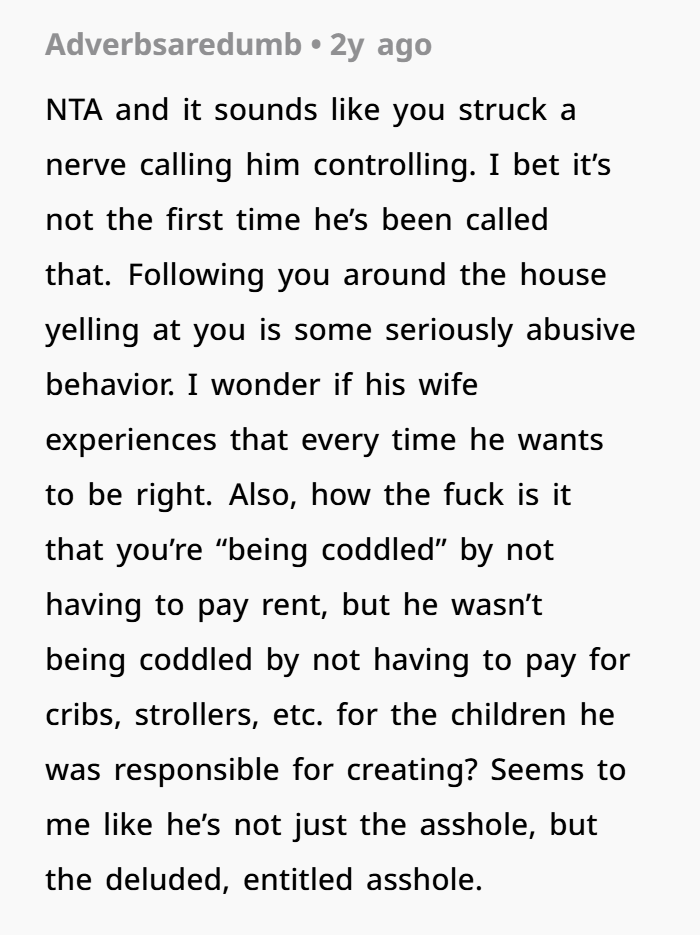
That’s textbook controlling behavior — trying to force someone to see things your way, and punishing them emotionally when they don’t.
Control isn’t always about power — sometimes it’s about pain. Curtis is hurting. He feels ignored, overlooked, and possibly like his sacrifices weren’t appreciated.
But emotional pain doesn’t give you permission to attack others. Especially not your sister, who has nothing to do with the past choices your parents made.
5. So, Was OP the A-hole? Final Verdict: Nope.
Calling someone controlling isn’t automatically cruel — especially if their behavior fits the bill. OP didn’t scream, didn’t escalate, and didn’t make it a public fight. She left the room. He followed her. That’s on him.
Plus, let’s not forget: Curtis’s wife saw it too. She told him it was time to go. That’s a big red flag. She didn’t defend him. She saw how unhinged the moment had gotten.
OP simply defended her right to live her life without being guilted or lectured. That doesn’t make her spoiled or favored. It makes her a person with boundaries.
The sister provided more information in the comments

Family fairness is complicated. Life rarely gives us a 50/50 split. But when someone’s past bitterness starts spilling into the present — it’s okay to say enough. You can empathize with someone’s struggle without accepting their anger.
Curtis may need therapy. Or at least a deep talk with his parents. But OP? She’s doing just fine — holding her ground and keeping her peace.