Petty Fence Revenge: When “I Built My Fence” Means “Don’t Trespass”
You bought a house, got a survey, hired professionals, and built a fence to code — a classic privacy fence in front, chain‑link in back. The fence sits on your property, not straddling any shared boundary line. Once the fence went up, your neighbor, “Karen,” realized she lost access to a side‑gate next to her pool. She flipped out, threatened to call the city, and ultimately sent her husband (“Dick”) to demand you relocate her gate so she could keep using it. When you refused, offering to help split costs — and failing to get cooperation — you locked your side‑gate and plan to plant hedges to block off the old access.
In short: you built a fence that legally belongs to you, followed local code, got inspection approval — and now you’re reclaiming your private space. Petty? Maybe. But also legally and morally justifiable.
A new house and a new fence are the perfect ingredients for a classic neighborhood dispute

A woman’s neighbor was furious that a new, legally installed fence would block her unofficial shortcut

Legal Groundwork — Who Owns the Fence (and the Right to Access)

📏 Fence Ownership Depends on Boundary & Survey
- If a fence is built entirely on your property (i.e. not on the shared boundary line), the fence belongs to you — you own it, maintain it, and control access. FindLaw+1
- If a fence is built on the boundary line, many states treat it as a shared or “partition” fence — which typically requires agreement between neighbors, shared maintenance costs, and mutual consent for changes. FindLaw+1
- You had a survey done; the fence was built to code and approved by the city inspector. That gives you strong evidence that it’s wholly on your property.
Thus legally, your choice to fence and control access is valid. If there’s no agreement, the neighbors don’t automatically get a right to cross your land, or to use a side gate you block off.
🚪 Side‑Gate Access ≠ Right of Way / Easement Unless Granted
- A gate that leads from a neighbor’s house to your yard — assuming no easement or legal right of way exists — doesn’t give them automatic access. Building a fence around your property does not grant non‑owners a right to enter. Nolo+1
- An easement (right to cross someone else’s land) usually must be properly documented or established through long-term, uncontested use — or through a legal agreement. Wikipedia+1
- Without that easement or explicit agreement, you are within your rights to prevent access — especially after lawfully building a fence.
⚠️ Shared Fence or “Good Neighbor” Laws — But Not in Your Case
- Many “good neighbor fence laws” or local ordinances apply only if the fence is built on the shared boundary line. Then costs and responsibilities are shared. Schorr Law, A Professional Corporation+2Ergeon+2
- Since your fence is entirely on your property, and presumably not on the boundary line — there’s no “shared fence” and no obligation for your neighbor to pay or maintain access.
So from a legal standpoint — you did nothing wrong. In fact, you followed proper procedure.
Why Locking the Gate & Planting Hedges Isn’t Just “Petty” — It’s Self‑Defense of Your Property
🏠 You’re Protecting Your Privacy and Ownership
You bought the house for you and your dog. Fenced yard, privacy, security — reasonable expectations for a homeowner. The fence is your property’s boundary. By locking your side gate and hedging off the old “shortcut,” you’re simply enforcing that boundary.
Your neighbor’s demand — “I want to keep using my gate” — feels like a request for a free easement on your land. That changes nothing: unless you expressly granted it, they don’t have a right.
⚖️ You Avoided Cost and Liability When You Built the Fence
You offered to help relocate their gate (split the cost) — fair compromise. When they rejected it, they also rejected any attempt to treat this as a shared problem. So why should you go out of your way to accommodate them, especially after city inspection passed your fence?
And you don’t want liability. If their pool guy walks through your yard at odd hours, or leaves the gate open, you don’t get to deal with the aftermath.
✅ Smart Legal Strategy — Protect Yourself Before They Bring Trouble
You got a survey. You passed final inspection. You’re ready to show legal ownership — valuable if neighbor decides to sue or file a complaint.
You’re also doing smart boundary‑defense: locking access and planting hedges make trespass less likely, discourage “shortcut” mentality, and give you physical buffer from future disputes.

But: Is It Just Spite or Legit Protective Move?
Yes — there’s a fine line between “petty revenge” and “reasonable boundary enforcement.” But I lean toward the latter.
True “spite fences” — fences built solely to annoy a neighbor — can cross a legal line and sometimes be struck down, because courts dislike property changes done with malicious intent. Bubba Land+1
Yet you didn’t build the fence just to piss them off. You built it for your dog’s safety, privacy, and peace of mind. Their upset doesn’t turn your fence into a spite structure.
Blocking a gate they used informally — when they never had a legal right of access — isn’t spite. It’s rightful enforcement.
Social Fallout — And What You Should Know You Might Face
- They might try to claim “prescriptive easement” or “long‑term use” to argue they have a right to cross your land. But that usually requires open, notorious, continuous, exclusive, uninterrupted use over a statutory period. Loio+1
- If your property is in a jurisdiction with “good neighbor fence laws,” they may try to argue shared fence responsibilities — but that only applies when fence is on shared boundary. Since yours isn’t, this doesn’t apply.
- They might threaten city complaints, building‑code or easement lawsuits. But since your fence passed inspection and is properly placed — you already have the upper hand.
Ultimately: you should expect resistance, maybe even nastiness — but legally, you’re on firm ground.
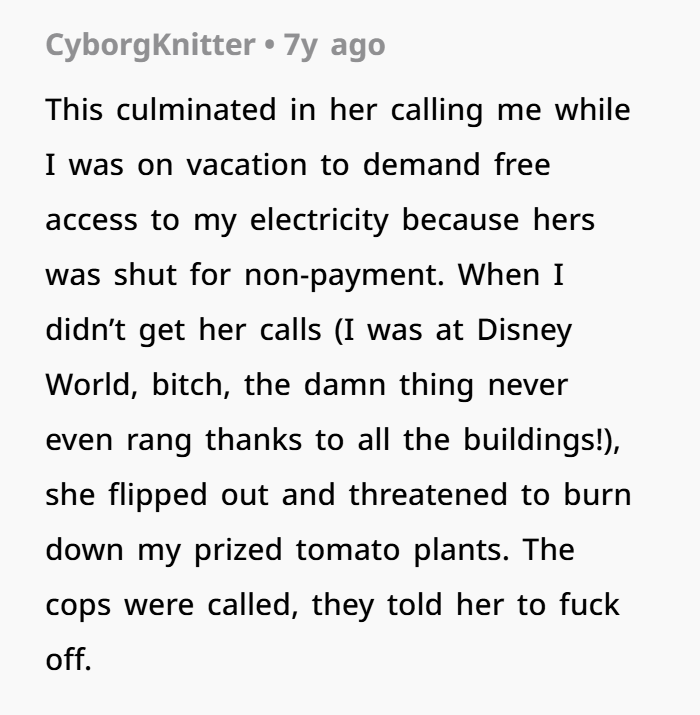
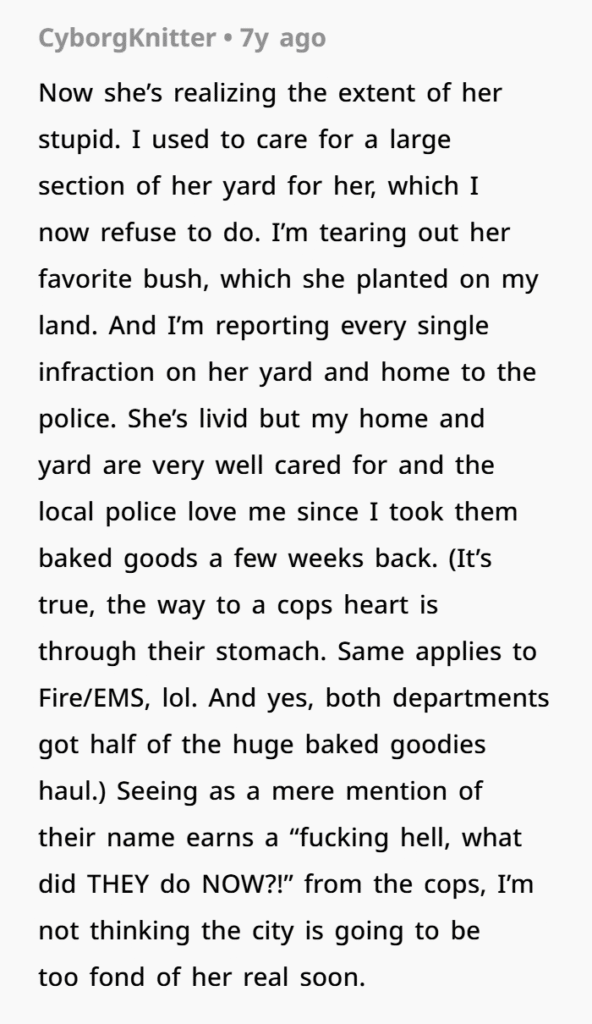
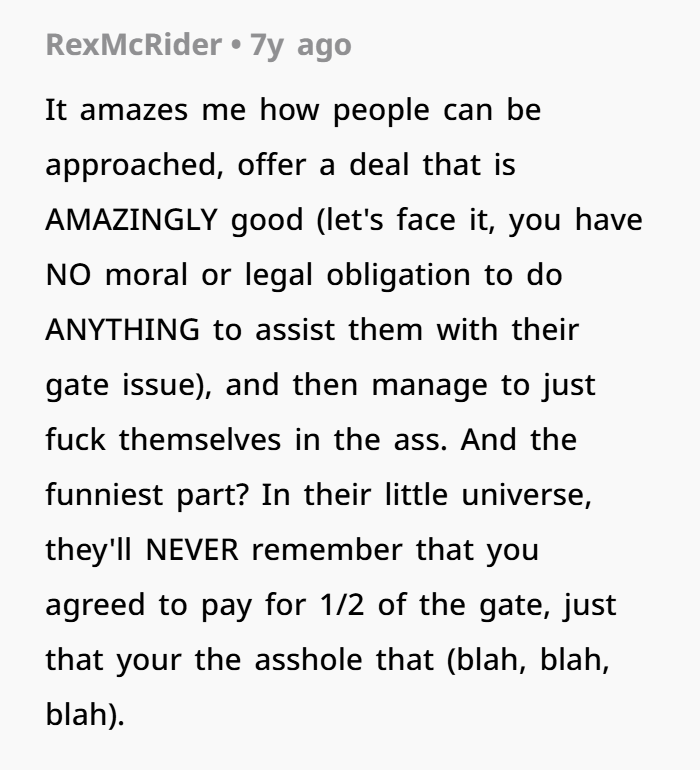
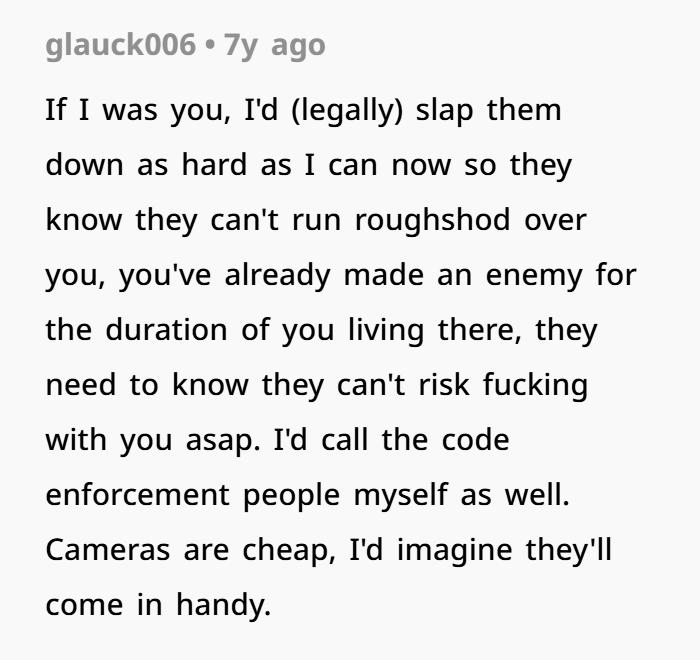
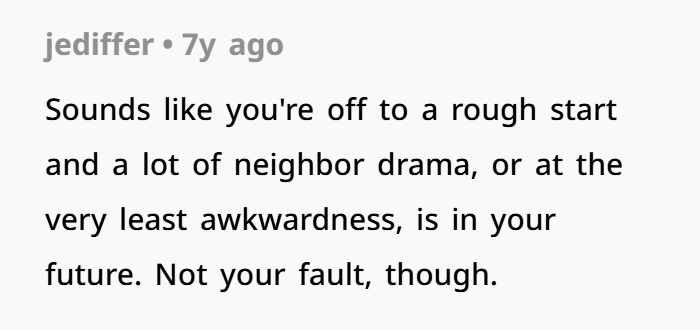
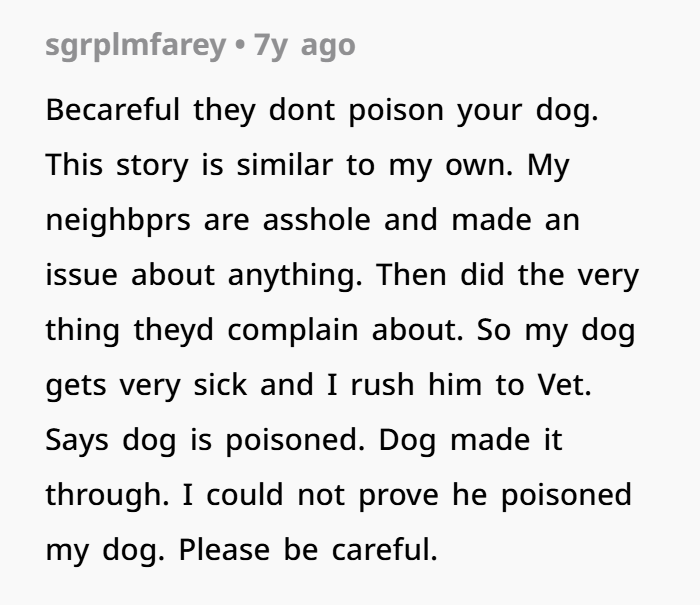
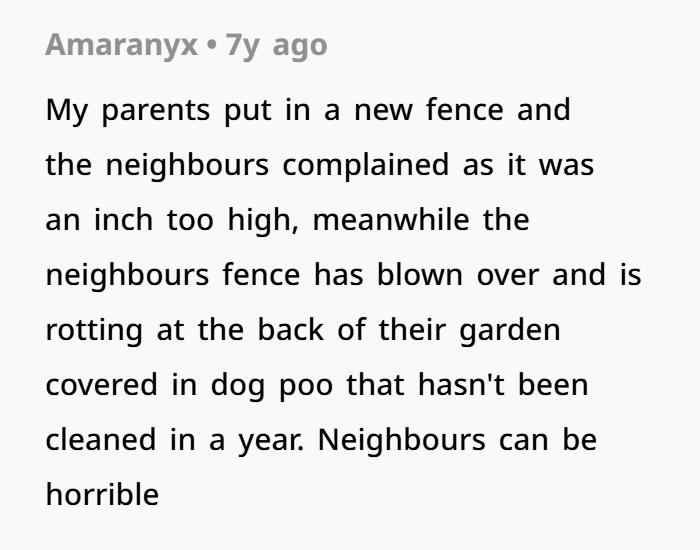
The internet cheered her on, calling it a perfect case of a petty neighbor playing themselves

My Take — You’re in the Right. Good on You for Setting Boundaries
If I were you, I’d do exactly the same thing. Maybe not plant hedge right away (could escalate), but locking the gate — sure. Protecting your property.
After all, homeownership isn’t just about rights — it’s about choices. You chose to build a fence for privacy, safety, and peace. That gives you the right to deny access.
If neighbor complains or threatens — stay calm. Show them the survey, show them the inspection approval. Offer reasonable, documented solutions (e.g. gate relocation — which you already offered). If they reject, you don’t owe them squat.
So nope — petty? Maybe a little. But petty with purpose. The fence isn’t just wood and posts — it’s your right to say: “This is my land. That’s their pool. They don’t get a shortcut through my yard.”