Entitled Mom Demands Medical Worker Hide Prosthetic Ear Before Treating Her Child

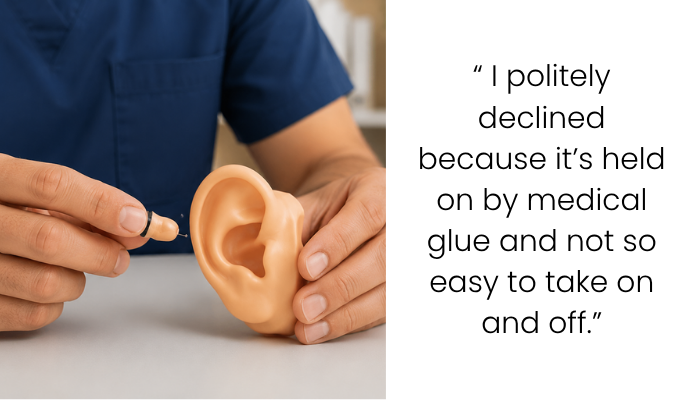
A person’s appearance does not define their abilities. People with disabilities can have successful careers, strong skills, and valuable experience, just like anyone else. Respect and understanding help create a more welcoming community.
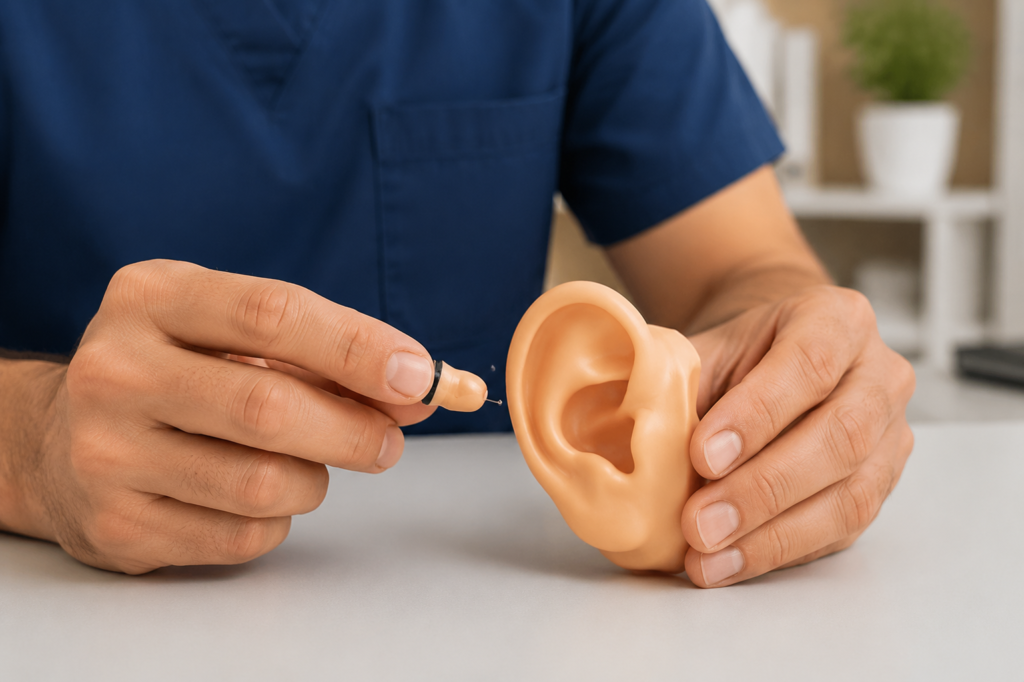
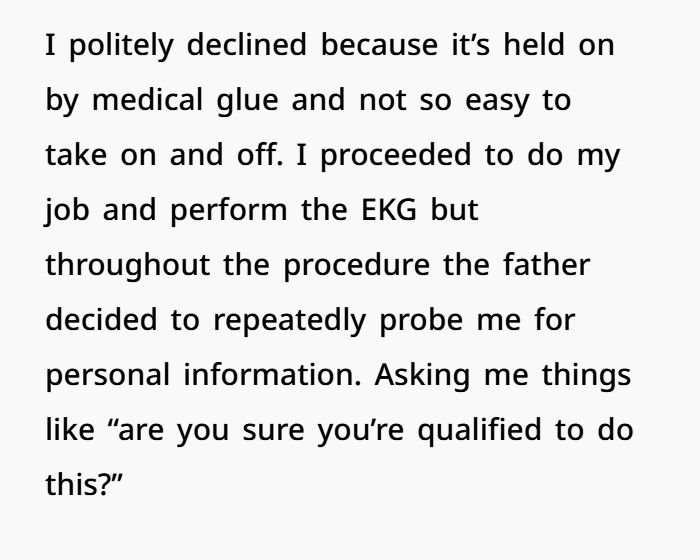
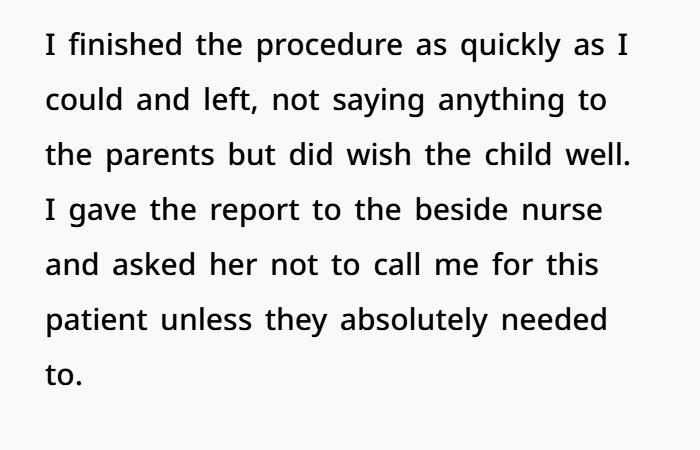
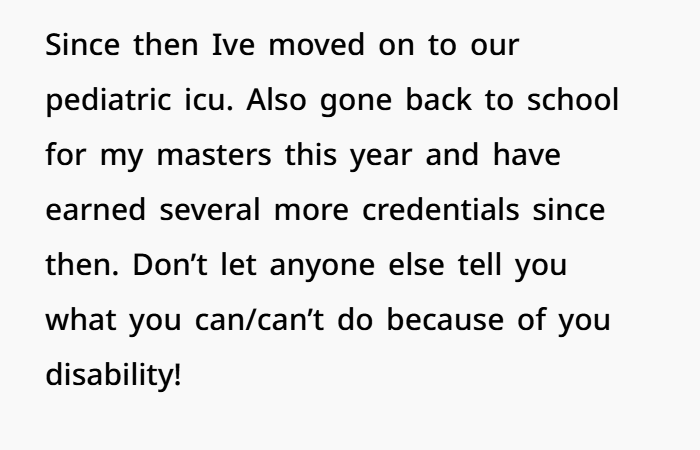
A young medical worker shared an experience that happened while he was helping an 8-year-old patient. He was assigned to perform a routine EKG test when the child’s mother became focused on his prosthetic ear.
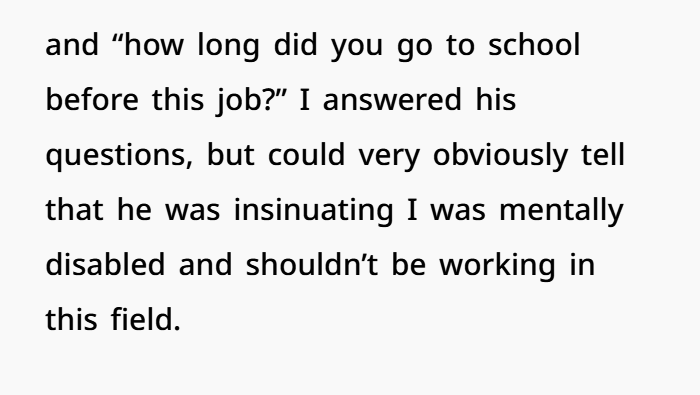
The parent questioned whether his appearance was suitable for a children’s hospital and later raised concerns about his professional qualifications. The conversation became difficult because of unfair assumptions about his disability.
This experience shows why awareness and empathy matter. Healthcare professionals work hard to support others, and everyone deserves to be judged by their actions, knowledge, and care—not by their appearance.
Many people with disabilities face challenges that are not about their skills or abilities. The biggest challenge is often getting the same opportunities and respect that others receive.
A person can have the right education, training, and experience, but still be judged unfairly because of a disability. This can make qualified workers feel like they have to prove themselves again and again.
Disability should never be used as a measure of someone’s intelligence, talent, or professional ability.
Skilled Workers Can Still Face Discrimination
People with disabilities work in many important careers, including healthcare, education, technology, and business.
However, many disabled workers still face barriers when applying for jobs or growing in their careers. These barriers are often caused by unfair assumptions, a lack of workplace support, or people focusing on a disability instead of a person’s skills.
Having a disability does not mean someone cannot do a job successfully.
A person’s knowledge, experience, and qualifications should always matter more than someone’s appearance.
A Healthcare Worker Was Judged Too Quickly
The story shared by the original poster shows how harmful these assumptions can be.
A medical worker was helping a child and preparing to perform an EKG. He had the proper training and experience for his job.
However, after the family noticed his disability, they started questioning whether he was qualified.
Instead of paying attention to his medical knowledge and the care he was providing, they focused on something unrelated to his ability to do the job.
The medical worker was placed in a difficult situation where he had to defend his qualifications before he even had the chance to complete his work.
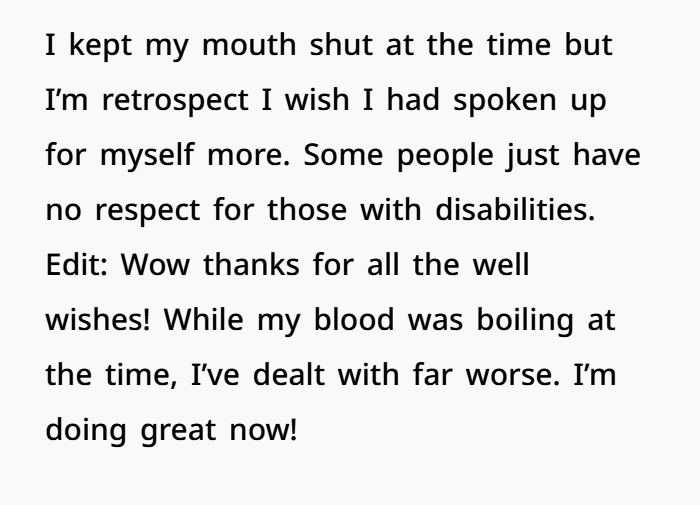
Many people with disabilities experience similar moments where others judge them before knowing their abilities.
Why Disability Etiquette Matters
Learning how to respectfully interact with people with disabilities is important.
It is natural to notice differences, but there is a difference between being respectful and asking questions that make someone uncomfortable.
Disability etiquette means treating people with kindness and focusing on who they are as a person.
Instead of assuming someone cannot do something because of a disability, it is better to look at their skills, training, and experience.
A disability is only one part of a person’s life. It does not define their entire identity.
Creating Fair and Inclusive Workplaces
A workplace should give everyone a fair chance to succeed.
Companies can support disability inclusion by:
- Hiring people based on skills and qualifications
- Providing reasonable workplace accommodations
- Creating a respectful work environment
- Listening to employees’ needs
- Avoiding unfair assumptions
When workplaces focus on talent instead of stereotypes, everyone benefits.
Ableism Can Affect Professionals Too
Many people think discrimination only happens in everyday situations, but professionals with disabilities can also experience unfair treatment.
Doctors, nurses, teachers, and other skilled workers may face doubts about their abilities even when they are highly qualified.
This kind of treatment can create stress and make people feel they constantly need to prove themselves.
People with disabilities often bring valuable qualities to their work, including problem-solving skills, patience, and determination.
The Importance of Representation
Seeing people with disabilities succeed in different careers helps change old beliefs.
When disabled professionals work in healthcare and other industries, it shows that disability does not stop someone from making important contributions.
Representation also helps create more understanding and acceptance in society.
A person’s disability should never be seen as a reason to ignore their skills or achievements.
Respect People Before Making Assumptions
The medical worker in this story was there to help a child, not to explain or defend his disability.
Everyone deserves to be treated with respect, whether they have a disability or not.
The best way to judge someone is by their knowledge, actions, and character.
A more inclusive world starts when we stop making assumptions and give people the opportunity to show what they can do.
Comments From The Community