
Classic Cars That’ll Never Be Worth the Money Again (Even If You Wait Forever)
Classic cars are supposed to be safe bets. Buy one, tuck it away, wait a few years, and boom — instant profit. At least, that’s the dream. But the truth is, not every vintage car ages like fine wine. Some of them age more like milk left out in the sun.
A lot of once-hyped classics are never coming back in value. Tastes change. Younger buyers want different things. Maintenance costs scare people off. And some cars were simply overrated from the start. What used to be “must-have” is now just… meh.
This list isn’t about trashing old cars. Many of these rides are still fun, cool to look at, and great for weekend drives. But if you’re buying with resale value in mind, these are the classic cars that probably won’t ever pay you back — no matter how long you wait.
Devalued Classic Cars With No Hope
Not every classic car is a smart investment. Some old cars just never bounce back. You can store them, baby them, and wait years — still nothing. These are the classic cars with low resale value that collectors just don’t want anymore. Bad design, weak performance, and way too many built killed their chances.
They’re proof that age alone doesn’t mean profit. Nostalgia helps, but not enough to save these cars from being money pits.
1980 Chevrolet Citation
GM took a big gamble with the Citation, and it didn’t pay off. Front-wheel drive sounded modern, but the execution was rough. Poor handling, rust problems, and endless recalls wrecked its reputation fast.
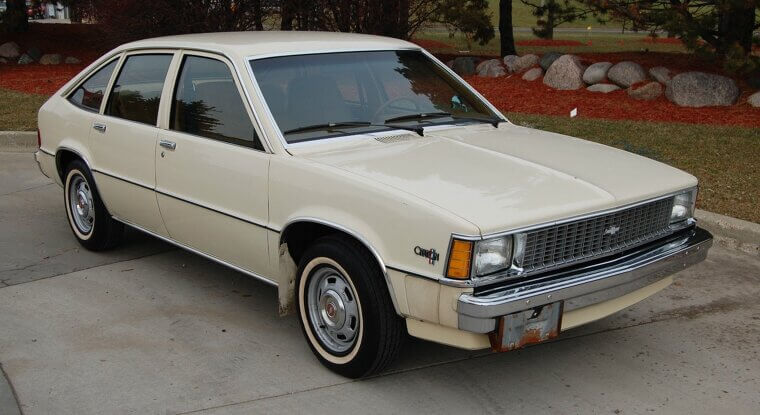
It sold well early on, but today it’s one of those classic cars that lost value and never recovered. Even low-mileage examples struggle to sell. Collectors scroll right past them.
The Citation is old, sure. Valuable? Not even close.
1975 AMC Pacer
The AMC Pacer is weird. Really weird. It was supposed to look futuristic, but ended up looking like a rolling glass bubble. People remember it, but mostly as a joke.
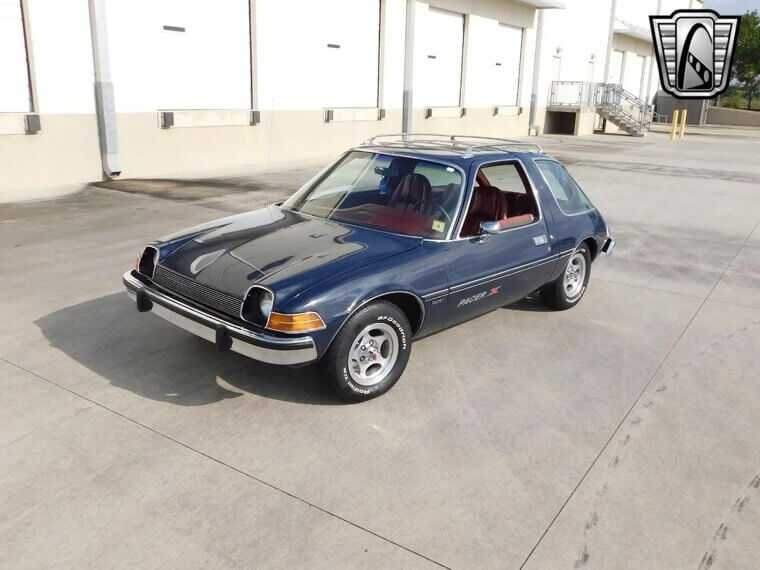
Underneath the quirky shape, you get bad build quality and weak performance. That combo killed its classic car resale value. Pop culture gave it a cult following, but that doesn’t mean buyers are paying real money.
1982 Cadillac Cimarron
This was a Cadillac in name only. Underneath, it was basically a Chevy Cavalier wearing a fancy badge. Weak engines, boring interior, and zero luxury vibes.
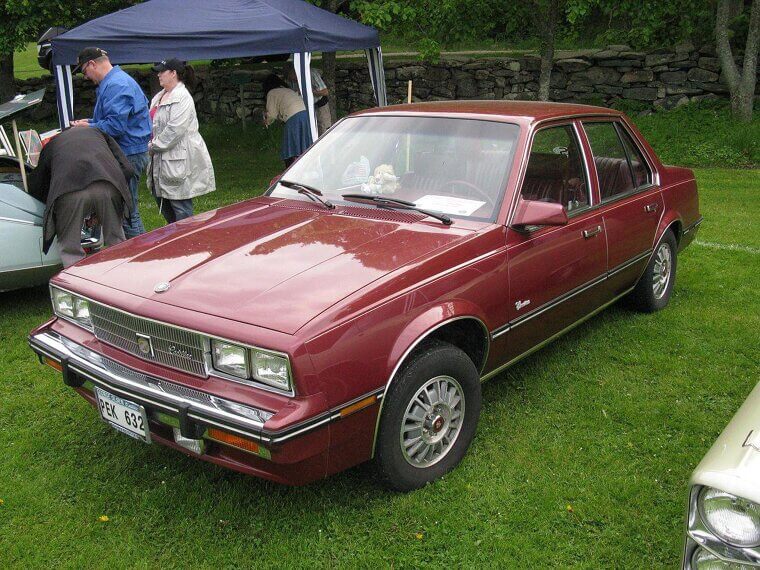
Buyers felt ripped off, and collectors still laugh at it. Today, even clean, low-mileage Cimarrons have terrible resale value. It’s one of those classic cars that ruined brand trust and never recovered.
1974 Mustang II
Ford shrunk the Mustang during the gas crisis and took the muscle with it. Built on the Pinto platform, the Mustang II had no power and no attitude.
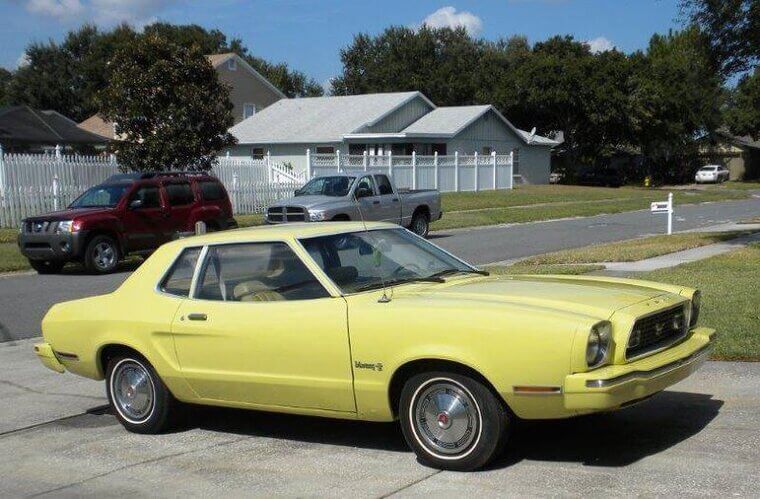
Sure, it has a retro label now. But classic car buyers want horsepower, not excuses. Weak performance and bland looks keep its market value stuck in neutral.
1987 Yugo GV
The Yugo was cheap for a reason. Terrible reliability, flimsy build, and constant breakdowns made it legendary — in the worst way.
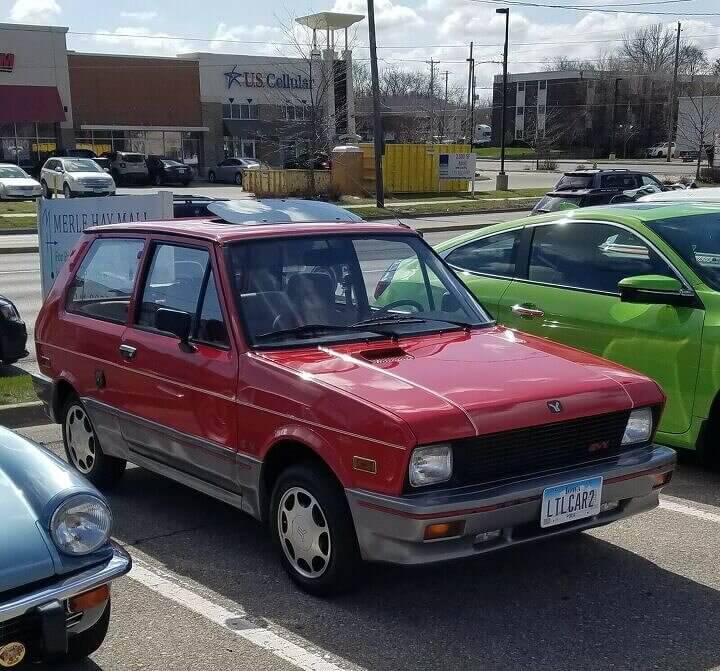
Even running examples don’t bring real money. Most people buy one as a joke, not an investment. As far as classic car values go, this one’s flatlined for good.
1981 DeLorean DMC-12
Stainless steel body. Gull-wing doors. Movie fame forever. Sounds perfect, right? Not really.
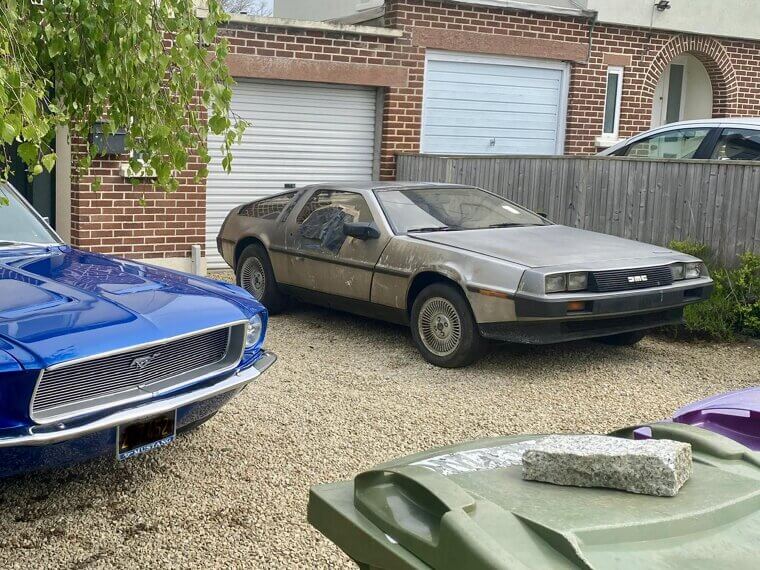
The V6 is slow, maintenance is expensive, and build quality is hit or miss. People love the idea of owning one more than actually driving it. Despite the hype, resale value stays shaky.
1979 Dodge Aspen
The Aspen had a quick moment of hype, then it fell apart. Literally. Engine issues, bad alignment, and sloppy build quality made it a warranty disaster.
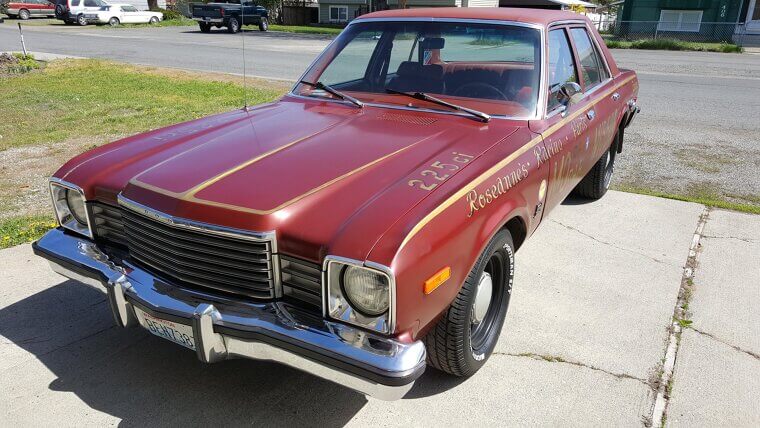
Restorations are rare now, and classic car resale value is almost nonexistent. Even clean ones sit unsold online. Too many problems, not enough nostalgia.
1980 Triumph TR7
The wedge shape turned heads. The reliability turned people away. Overheating, leaks, and electrical gremlins ruined the TR7’s reputation fast.
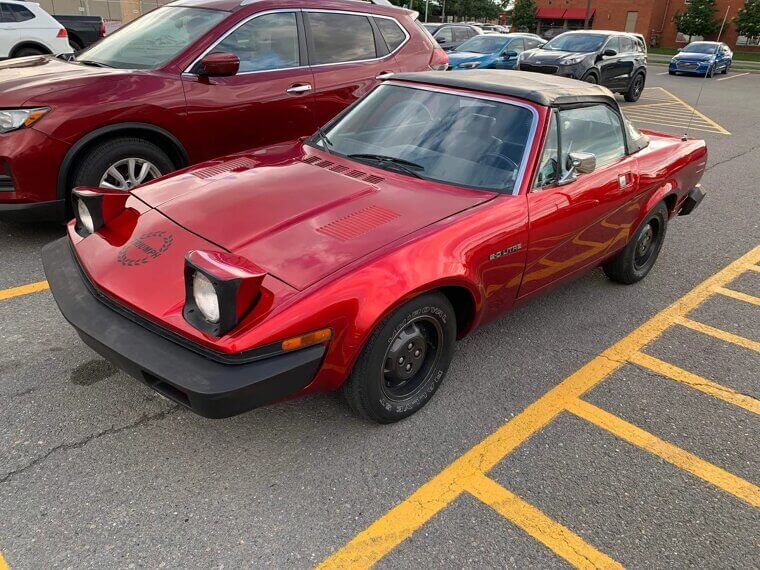
British car fans may smile at it, but buyers don’t open their wallets. Prices stay low, making it a budget classic car with no real upside.
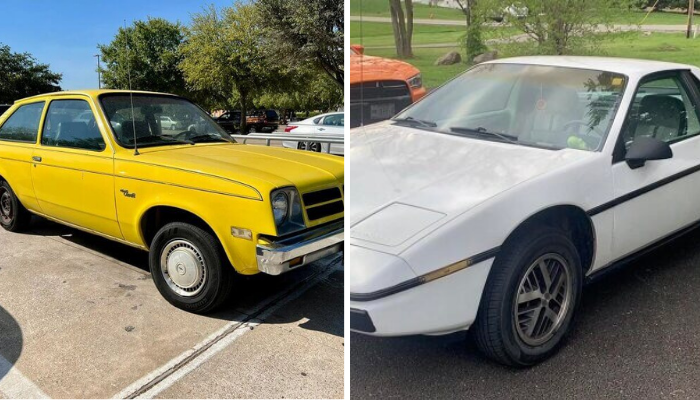
1976 Chevrolet Chevette
The Chevette was cheap, slow, and forgettable. It was basic transportation, nothing more.
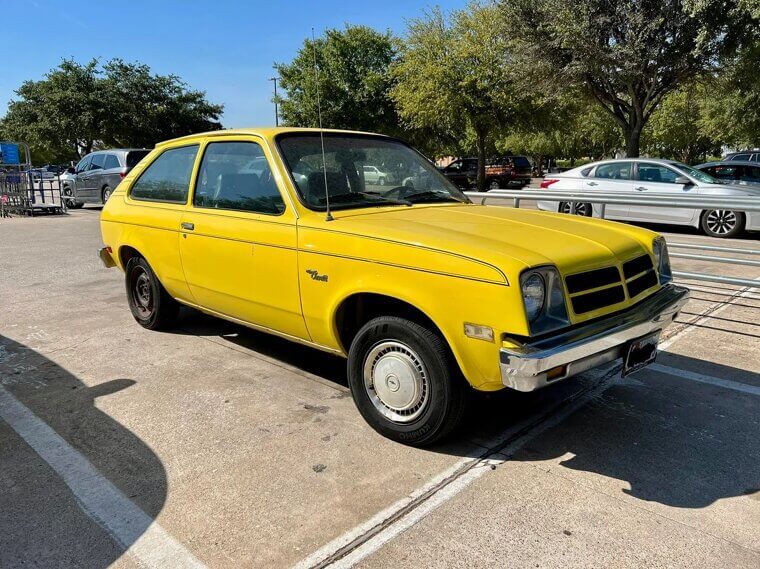
Even with vintage car nostalgia rising, no one’s chasing these. Most were scrapped, and survivors don’t gain value. It’s an economy car relic, not a collector win.
1989 Chrysler TC by Maserati
This car confused everyone. Chrysler luxury with a Maserati badge sounded fancy, but the result was awkward and underwhelming.
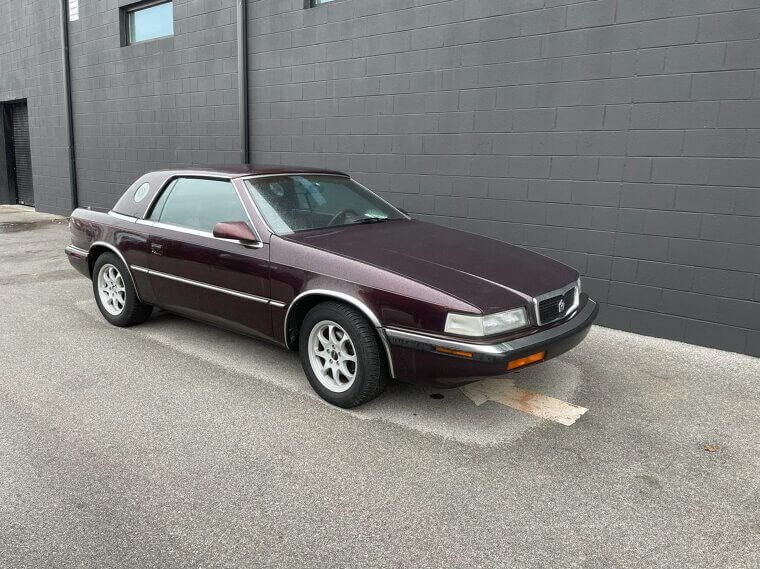
Performance was weak, styling was odd, and demand never showed up. Today it’s just a weird conversation piece, not a smart classic car investment.
1977 AMC Matador Coupe
AMC wanted bold and sporty. What they got was bulky and awkward. Weird body lines, average power, and zero wow factor.
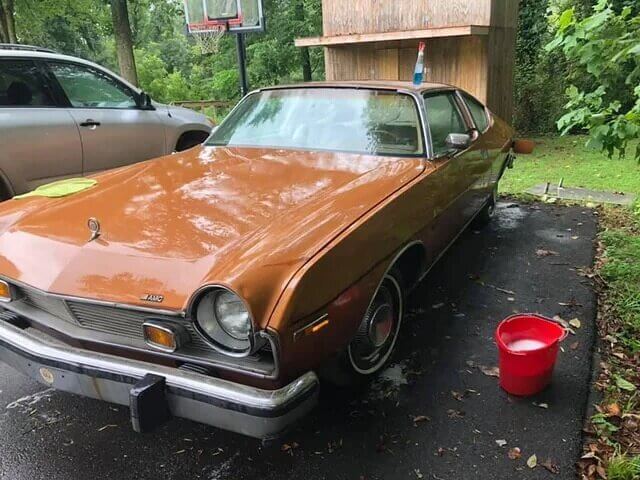
It’s mostly remembered for TV cop shows, not performance or value. Even hardcore AMC fans skip this one. Collector demand is thin, and resale value stays stuck.
1984 Pontiac Fiero
On paper, the Fiero sounded awesome. Mid-engine. Sporty look. Real potential. Then reality hit.
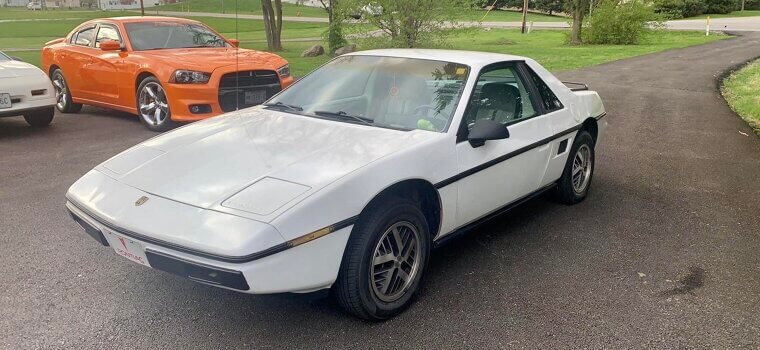
Early models were slow, cheaply built, and yeah… some caught fire. GM fixed things later, but the damage was done. Today, it’s a budget classic with a shaky reputation and low market value.
1978 Ford Fairmont
The Fairmont is the definition of forgettable. Boxy. Slow. No style. No excitement.
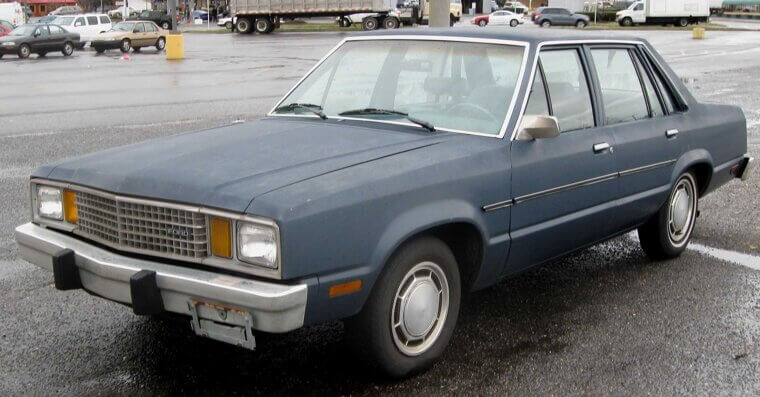
Even sharing the Fox-body platform with the Mustang doesn’t save it. Collectors walk right past these. Most Fairmonts live on as parts cars, not rising classic investments.
1988 Sterling 825
This one had potential. Honda bones with British luxury vibes. Sounds good, right? Nope.
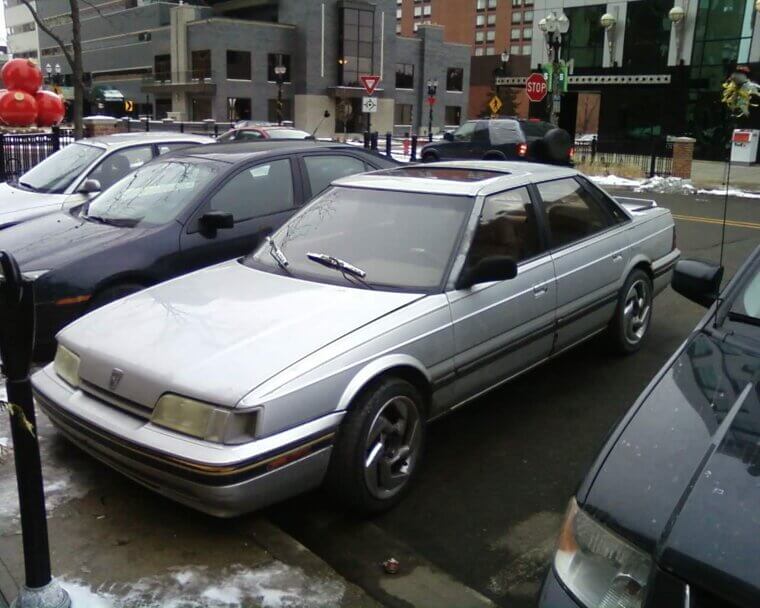
Electrical problems, bad build quality, and poor reliability killed it fast. It barely sold when new and hasn’t aged any better. Today, it’s just a strange footnote in car history with no real upside in value.
1981 Oldsmobile Omega
The Omega was tied to GM’s X-body gamble, and yeah, it paid the price. Same bones as the Chevy Citation, same problems too. Bad brakes, noisy engines, cheap interiors.
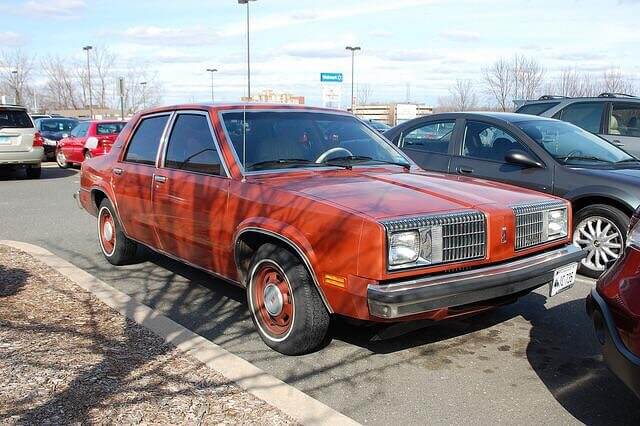
Even Oldsmobile fans don’t hype this one. Low collector demand, weak resale value, and zero standout features keep it parked at the bottom of the classic car market.
1975 Chevrolet Monza
The Monza wanted to be a sporty budget coupe but never escaped its Vega roots. Underpowered, oddly shaped, and rust-prone from day one.
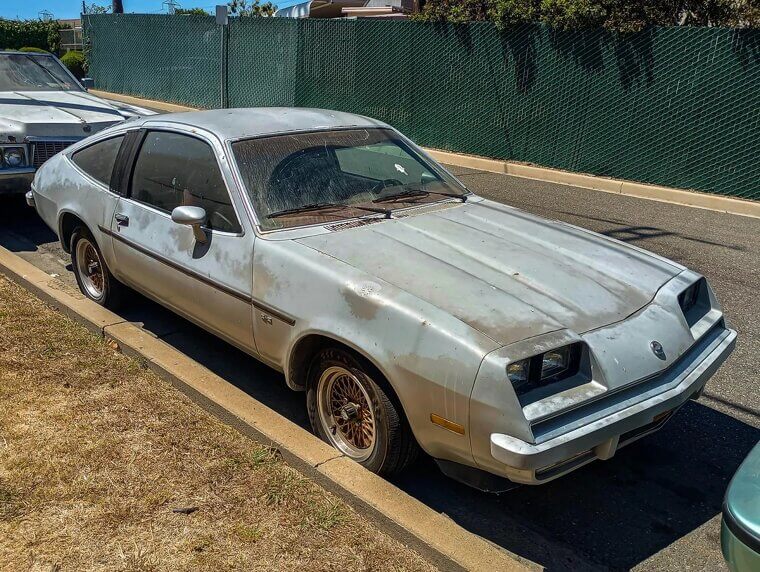
Even the V8 couldn’t save it. Classic car values stay low, and most buyers don’t care. It survives mostly as a niche project car, not a smart investment.
1982 Renault Fuego
The Fuego looked futuristic, but that’s where the good news ends. Weak performance, electrical gremlins, rust issues, and hard-to-find parts scared people away.
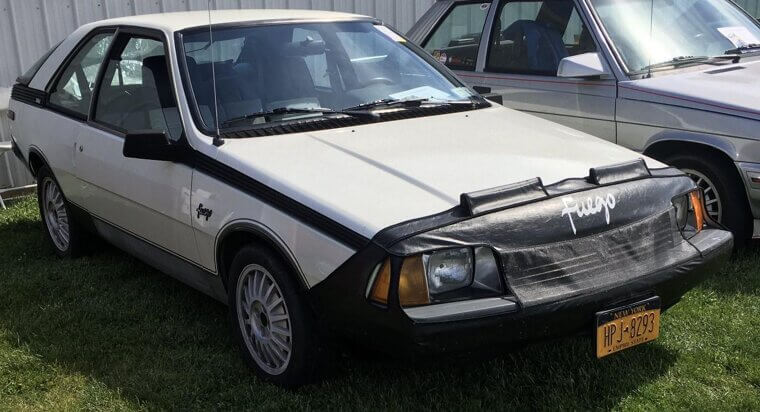
Resale value is basically gone. A few quirky collectors might admire it, but as a classic car investment, it’s a headache waiting to happen.
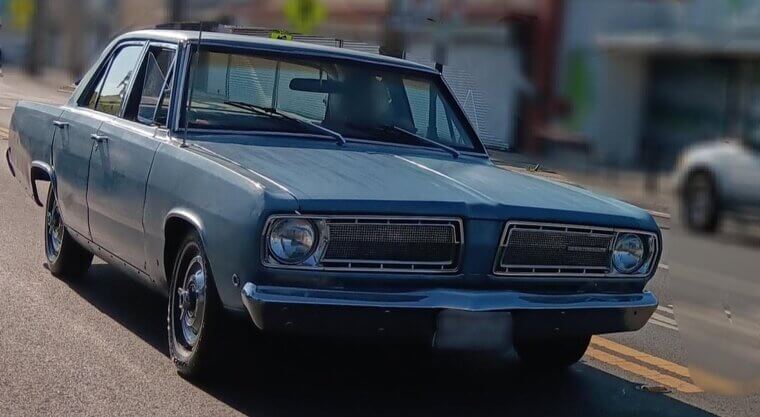
1974 Plymouth Valiant Brougham
This one aimed for luxury and landed in grocery-getter territory. Soft looks, boring drive, and zero muscle car vibes.
It was never cool, even back then. Today, values are flat and interest is lower. Reliable? Sure. Collectible? Not even close.
1985 Cadillac Seville
Cadillac tried going retro, and it got weird fast. That bustleback trunk confused buyers and scared collectors away. People didn’t get it then, and they still don’t now.
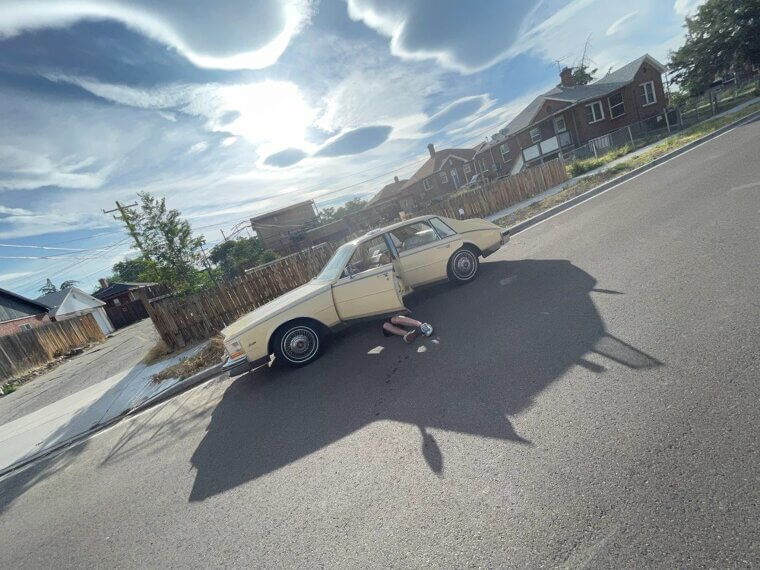
Performance was weak, styling aged badly, and auction interest is almost zero. A few fans like the odd look, but resale value stays painfully low.
1980 Subaru BRAT
The BRAT is quirky, no doubt. Slow, loud, and tinny, but memorable. It has a cult following, not a real collector market.
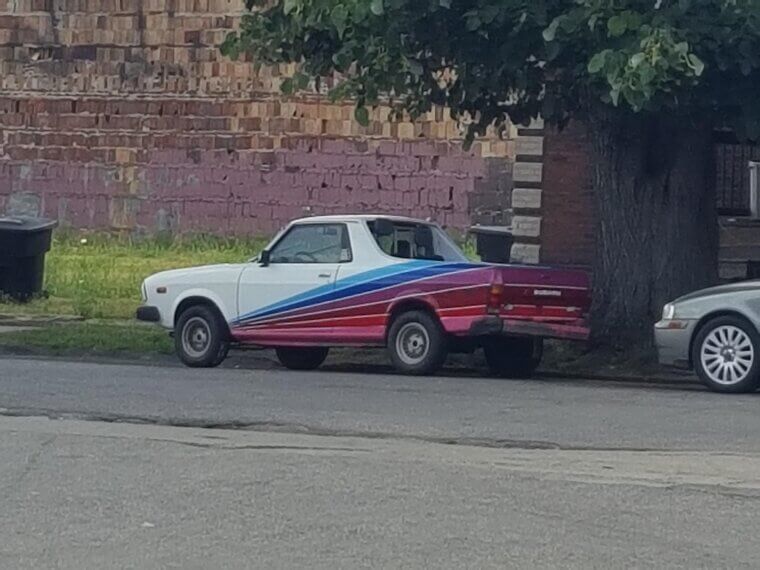
Even fully restored examples struggle to sell for strong money. It’s a novelty classic car, not a solid long-term investment.
1977 Chevrolet Caprice
This Caprice was big, heavy, and always thirsty. Emissions rules sucked the life out of the V8, and the styling went full square.
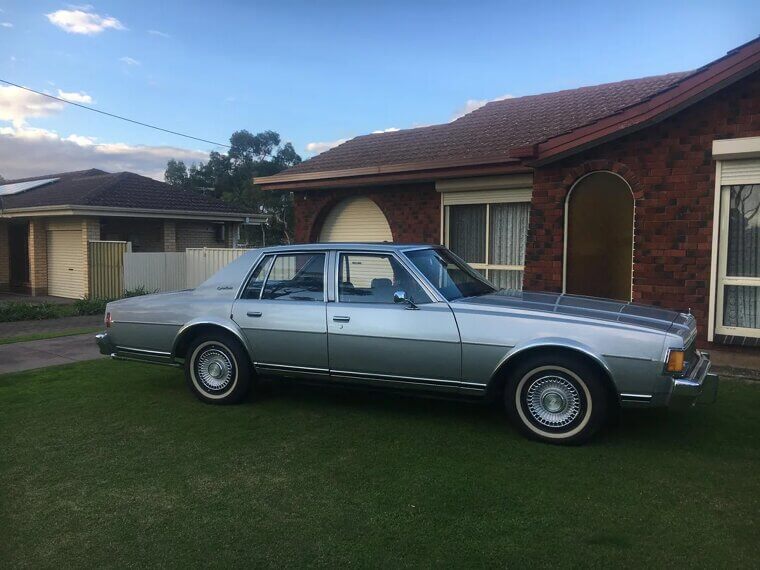
They’re common, cheap, and ignored by collectors. Some love them for lowriders, but classic car market value stays flat.
1981 Buick Skylark
Another GM X-body mess. Front-wheel drive sounded smart, but execution was awful. Transmission issues, brake problems, and cheap build quality ruined it.
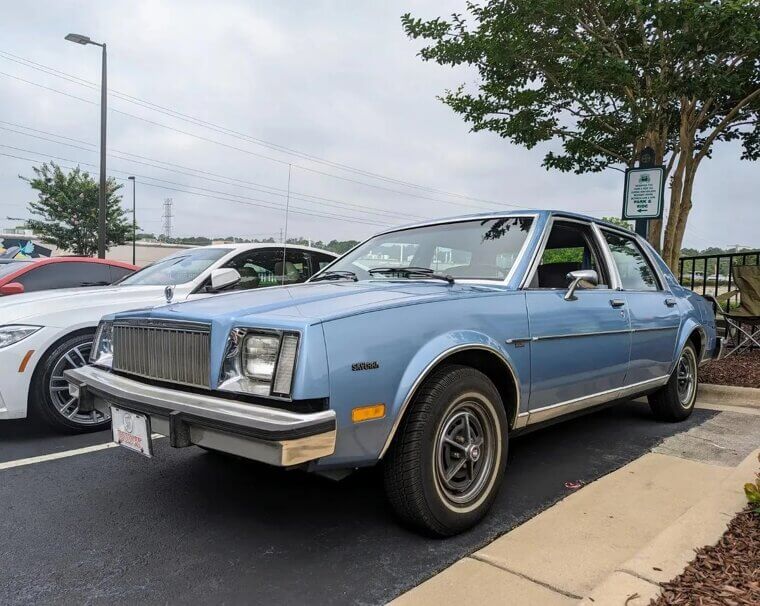
Even Buick fans don’t chase these. Values are rock-bottom, and most survivors end up as parts donors.
1973 Dodge Coronet
The Coronet lived in the shadow of the Charger and Super Bee. No muscle, no flash, and bulky looks didn’t help.
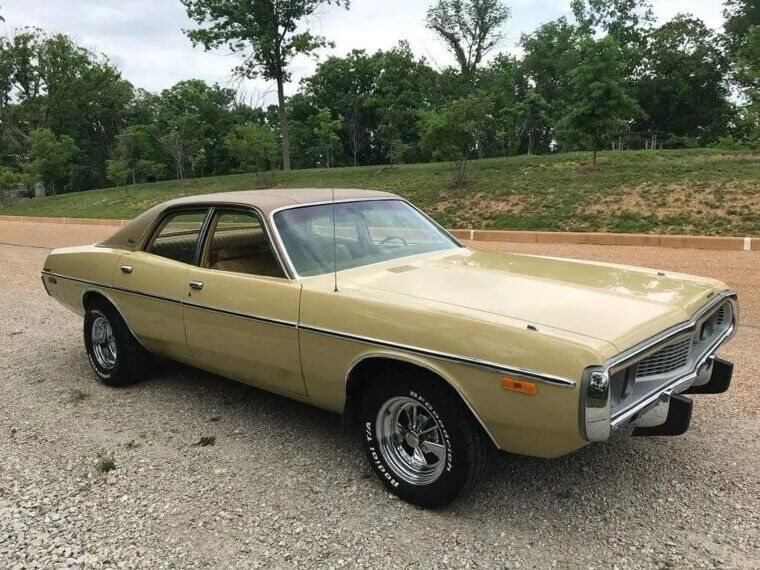
Mopar collectors want the legends, not this one. Resale prices stay flat, and a comeback just isn’t happening.
1986 Hyundai Excel
This was Hyundai’s rough US debut. Cheap build, weak engine, and reliability that barely existed. Most of these didn’t even last long enough to rust.
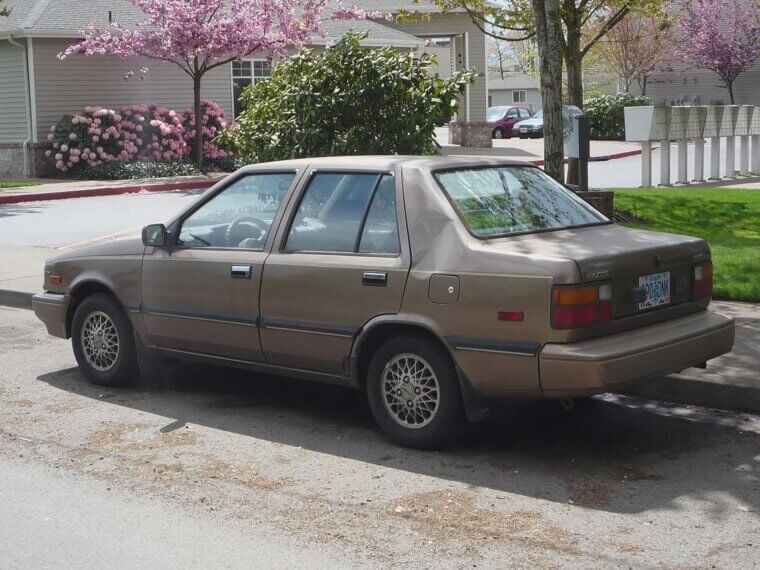
As a classic car, it’s famous for being bad. Collectors avoid it, prices stay low, and surviving examples are usually beat or forgotten. Its reputation is locked in, and not in a good way.
1979 Mercury Zephyr
The Zephyr was safe, boring, and forgettable. Built on the Fairmont platform, it screamed rental lot energy.
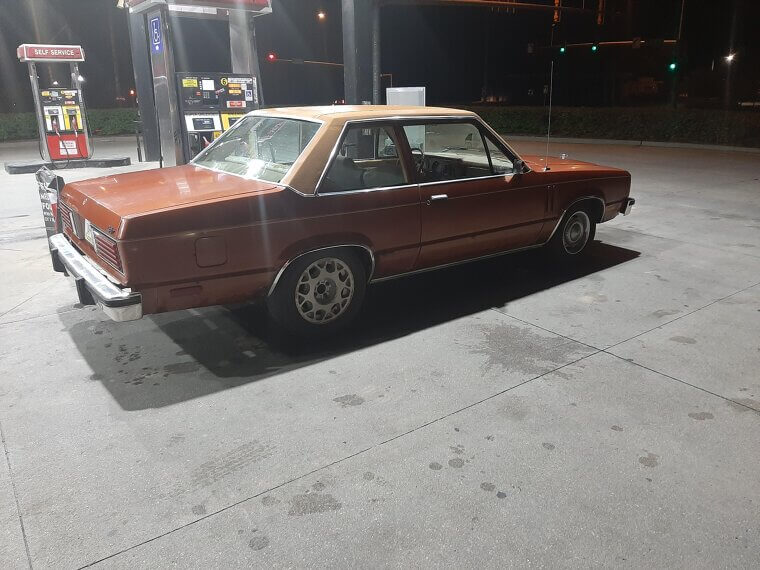
No racing history, no cool trims, no excitement. Nostalgia can’t save it, and collector demand never showed up. Market value stays flat and probably always will.
1980 Pontiac Phoenix
Pontiac tried to make a compact exciting. Didn’t happen. The Phoenix shared all the X-body problems — bad handling, mechanical headaches, and zero personality.
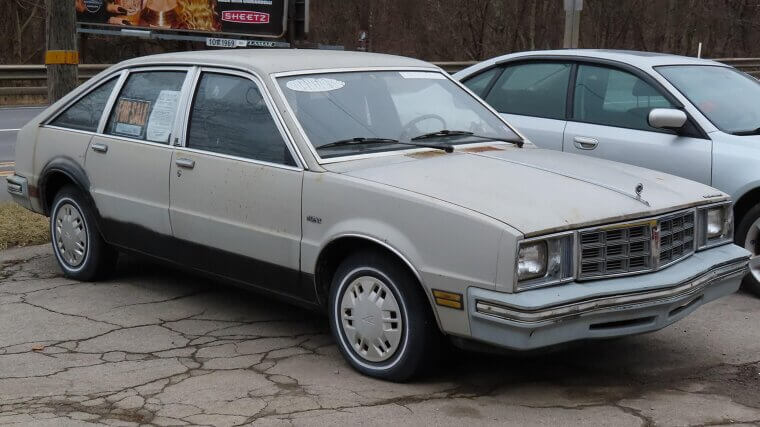
It’s forgotten even by Pontiac fans. With no performance cred and no style points, resale value is basically nonexistent.
1974 AMC Hornet
The Hornet was simple and reliable, but painfully boring. It never looked cool and never tried to be fast.
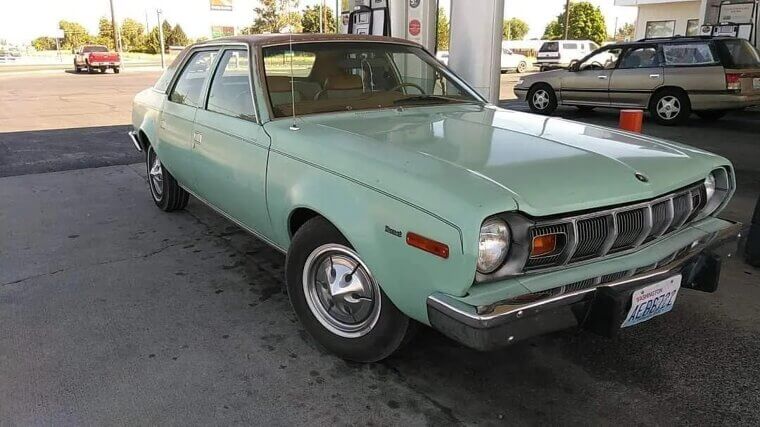
Car shows barely notice it. Values stay low, and restoration dreams don’t start with a Hornet. It’s entry-level classic money, at best.
1985 Dodge Omni GLH
“Goes Like Hell” sounded awesome back then. Today, it’s just a boxy hot hatch with aging issues.
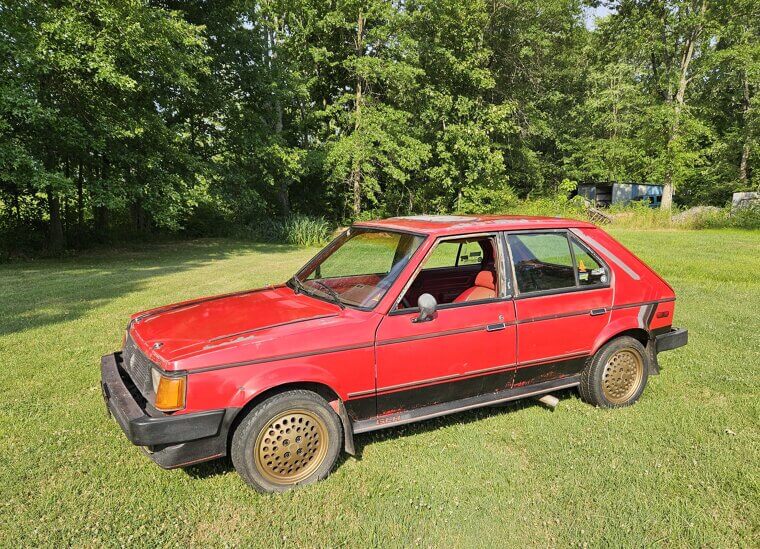
Some fans love the Shelby connection, but most collectors don’t care. Prices haven’t moved much, and they probably won’t. Fast once, forgotten now.
1983 Chevrolet Malibu
This Malibu had nothing to do with the muscle-era legends. Weak engines, boring looks, and zero attitude made it feel like a fleet car from day one.
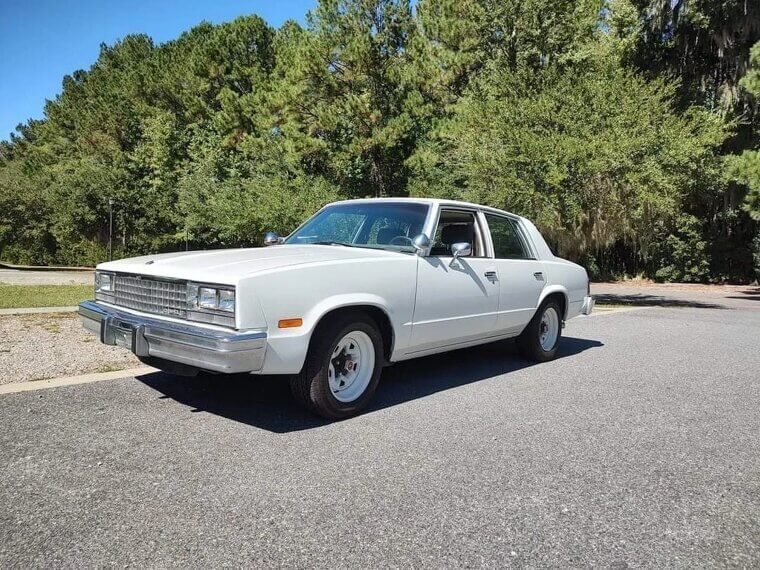
Even sleeper-build fans skip it. Performance is lacking, style is bland, and resale value stays stuck in the cheap seats of the classic car market.
1976 Ford Granada
Ford wanted a mini Mercedes vibe. Nobody bought it. Sloppy handling, awkward proportions, and gutless power killed the dream fast.
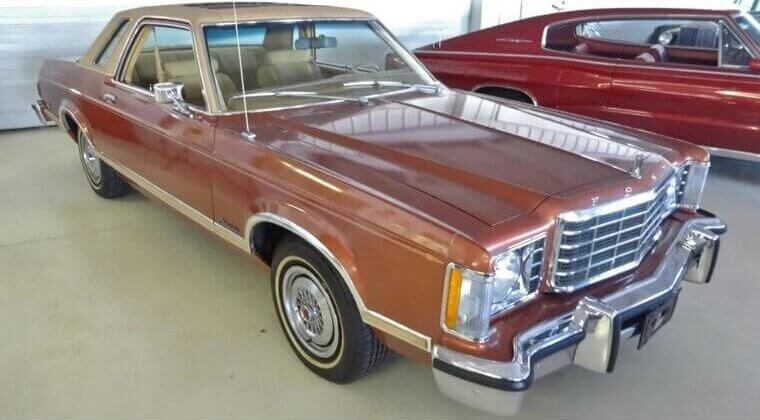
Collectors barely notice it, even in great shape. Auction buzz is almost nonexistent, and prices haven’t moved in decades.
1988 Oldsmobile Cutlass Ciera
Reliable? Sure. Exciting? Not even close. The Ciera was built for rental fleets and retirees, not car lovers.
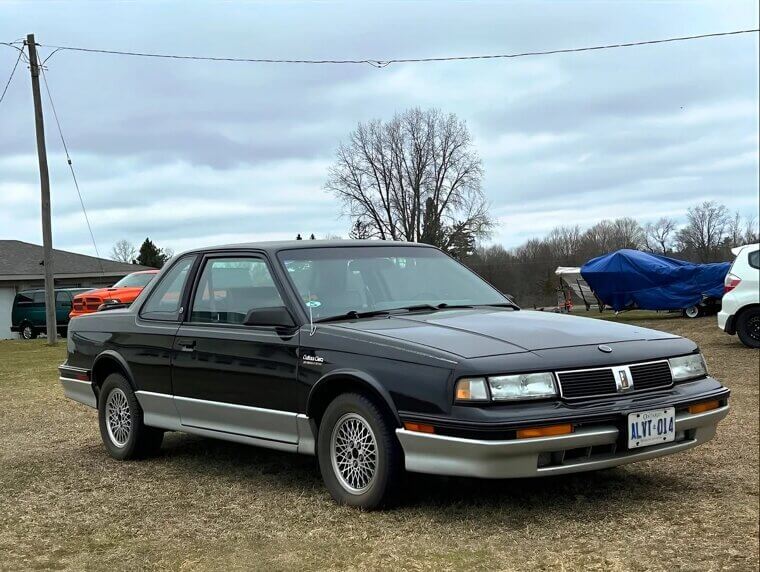
Classic car value runs on passion, and this one has none. Even Oldsmobile fans usually pass it by without a second look.
1987 Suzuki Samurai
The Samurai is fun, small, and great off-road. But it never escaped its rollover reputation. That stigma still hurts it.
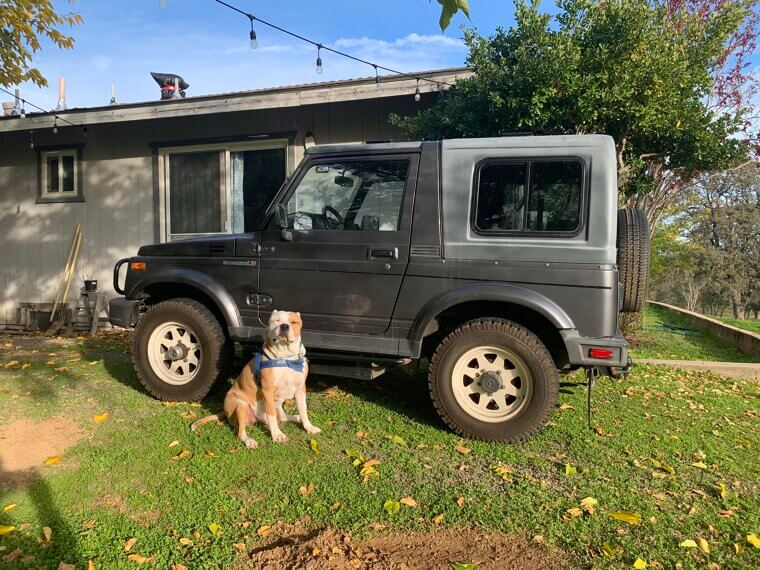
It has a cult following, but that hasn’t pushed prices up. Limited power, rough ride, and safety concerns keep it locked in budget territory.
1971 Ford Pinto
The Pinto will forever be tied to fuel tank lawsuits and fire jokes. Even if most were fine, the damage was done. That reputation never left.
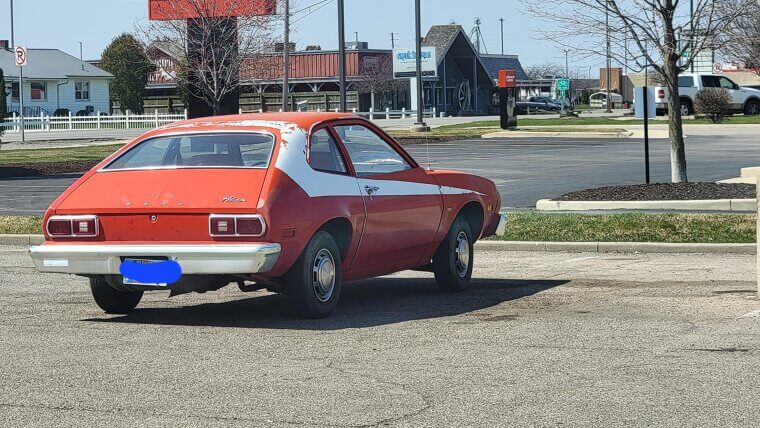
Collectors want rare muscle or cool design, not safety horror stories. Performance was weak, demand is weaker, and resale value stays rock bottom. It’s history, not an investment.
1978 Plymouth Sapporo
This was a Mitsubishi wearing a Plymouth badge, and nobody really cared. Styling was bland, performance was slow, and parts are a pain to find.
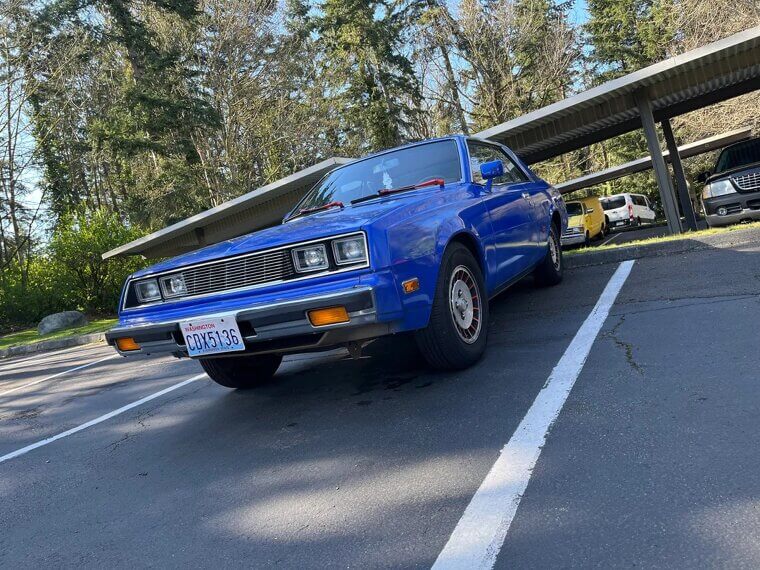
You barely see them now, and not because collectors are hoarding them. No cult following, no racing cred, and classic car value never showed up.
1982 Honda Accord (U. S. Model)
Back then, this Accord was a big deal. Reliable, efficient, and smart. Today? It feels like an old appliance.
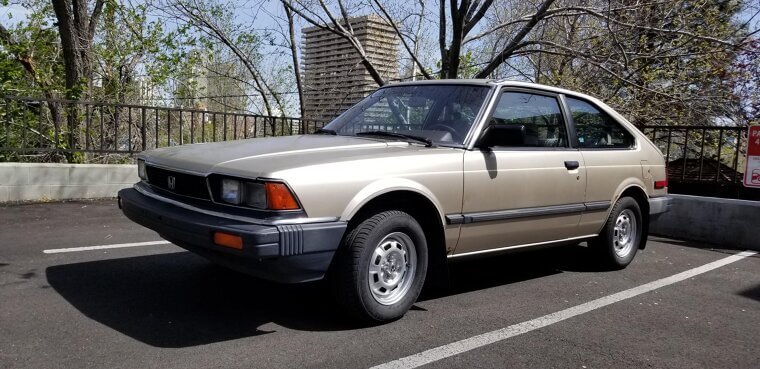
Most were daily-driven into dust. Collectors chase sportier Hondas, not early base-model Accords. Its legacy matters, but resale value doesn’t.