My Brother Got Furious After I Started Hiding Snacks for His Daughter

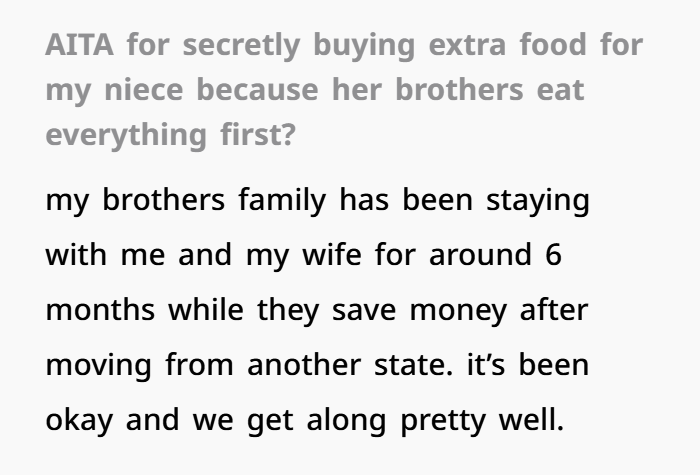
Family situations can become complicated when people live together and have different ideas about parenting. In this story, a man shared his concerns after his brother’s family moved into his home for a few months while they saved money after moving to a new state.
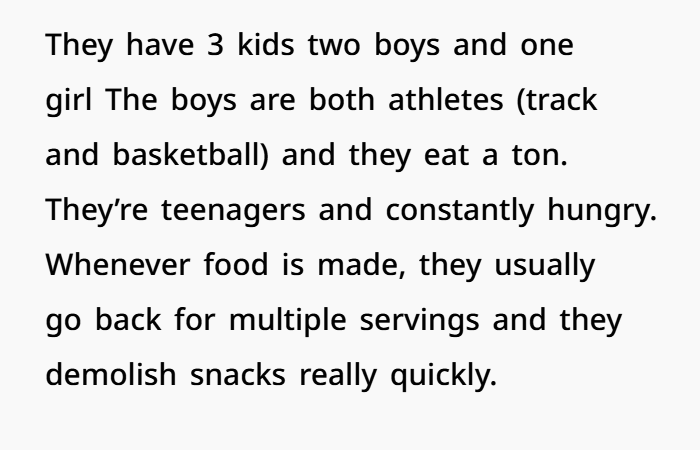
At first, everyone was getting along well. However, the uncle started noticing a problem during meals. His two teenage nephews were active in sports and often ate large amounts of food. Snacks disappeared quickly, and there were usually fewer leftovers available for the family.
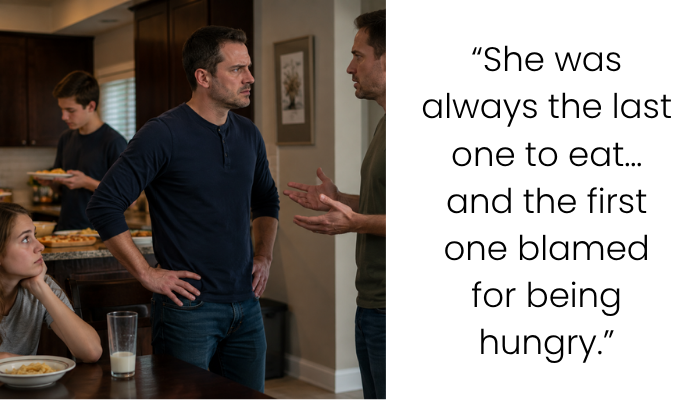
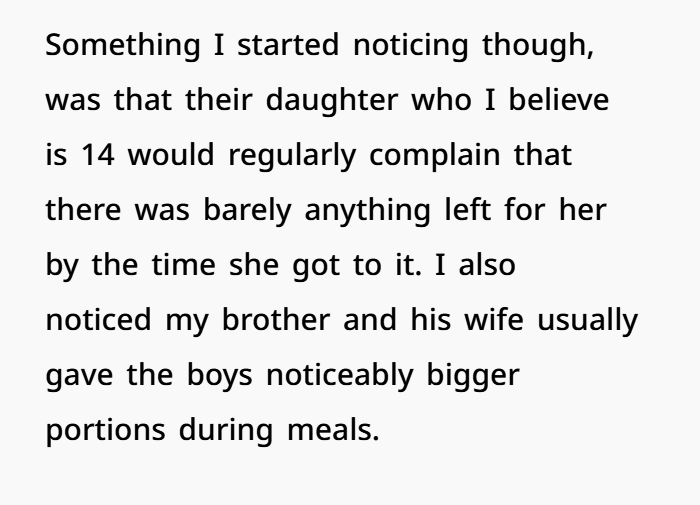
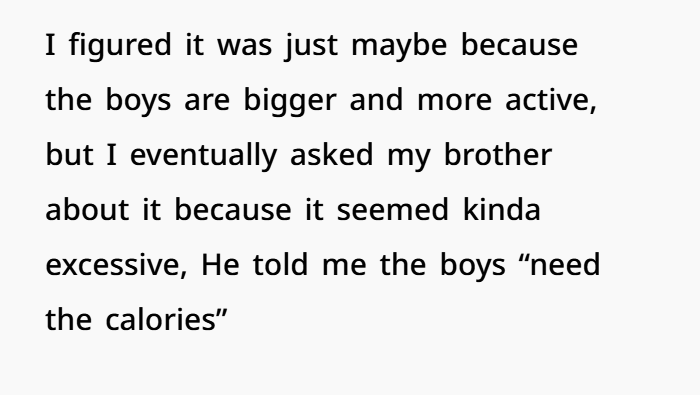
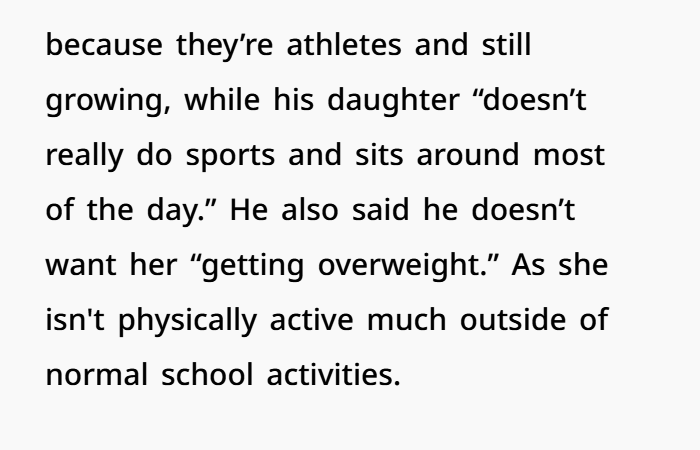
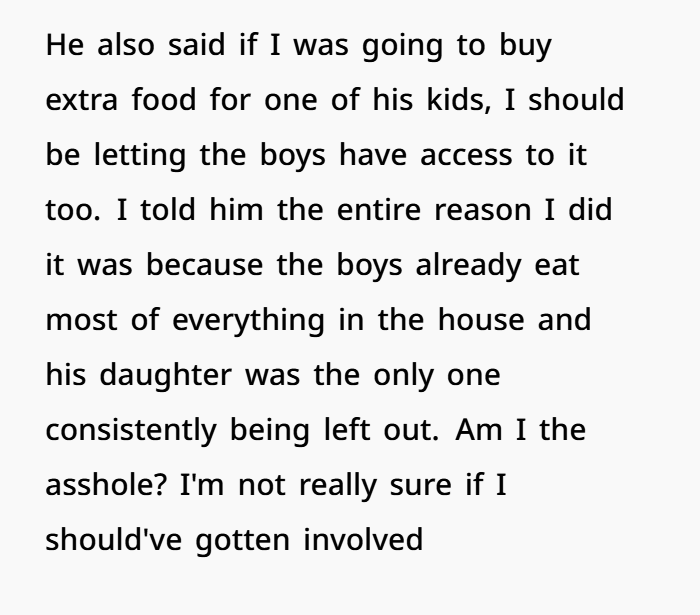
The uncle noticed that his teenage niece often had less food available and mentioned that she felt left out. When he asked his brother about it, his brother explained that the boys needed more calories because they were active and growing. He also said he was more careful about his daughter’s eating habits because she was not involved in sports.
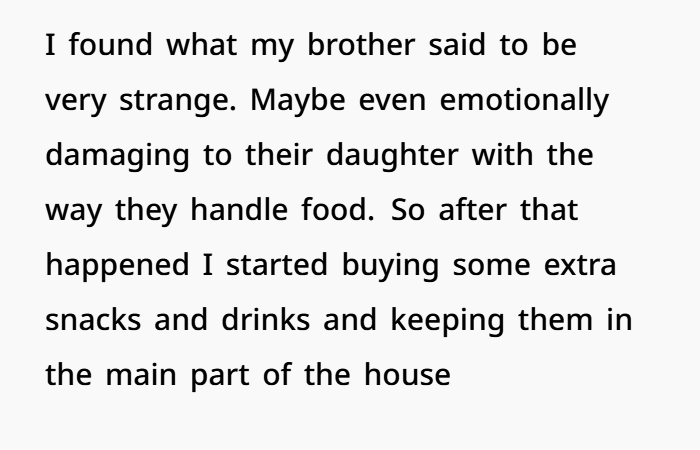
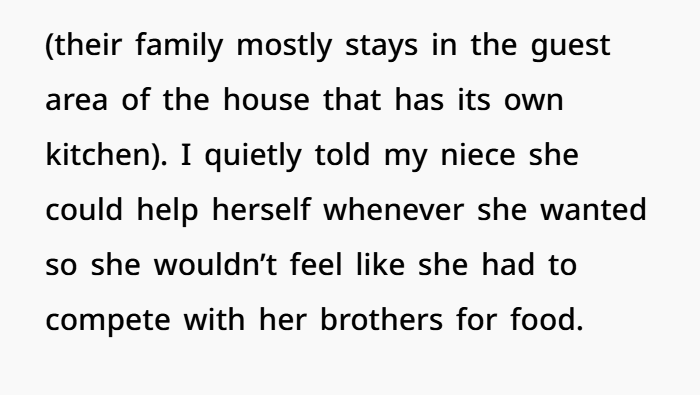
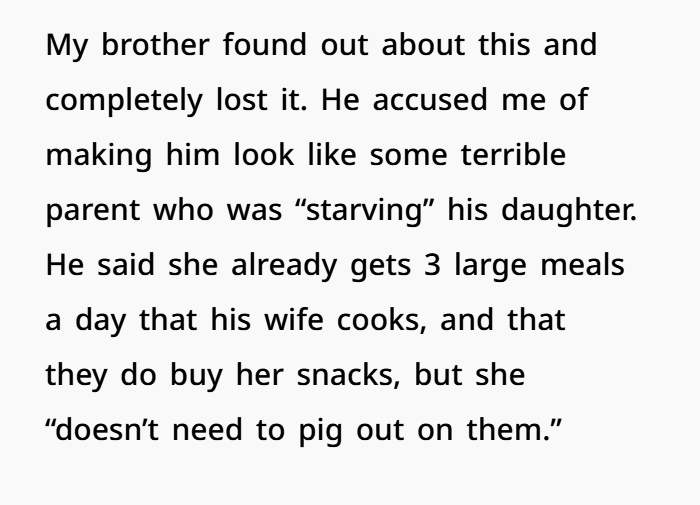
The uncle became concerned about how these comments might affect his niece’s feelings and relationship with food. He decided to buy extra snacks and told her that she could eat them whenever she wanted. When her father discovered this, he became upset and felt that the uncle was interfering with his parenting decisions.
The situation created a disagreement about family boundaries, parenting choices, and supporting children’s emotional well-being. It also shows why conversations about food, health, and children’s confidence should be handled carefully and with understanding.

When Food, Parenting, and Body Image Become a Family Issue
At first, this story may seem like it is only about snacks and food portions.
But many people see a much bigger issue behind it.
The situation brings up important conversations about children’s nutrition, family habits, and how boys and girls are sometimes treated differently when it comes to food and body image.
Different Appetites During the Teen Years
Teenagers often have very different eating needs.
A teenage athlete may need more calories because they are active, training regularly, and using more energy throughout the day. It is common for growing teenagers to have big appetites.
However, every child’s hunger matters.
Being active is not the only reason a teenager needs enough food. Young people are still growing, and proper nutrition supports their energy, learning, mood, and overall health.
The concern begins when one child’s hunger is treated as less important than another child’s.
The Difference Between Healthy Eating and Food Shame
Parents naturally want their children to be healthy.
Many parents think about nutrition, weight management, and creating good eating habits. Those goals are important.
However, the way adults talk about food can have a big impact on children.
There is a difference between teaching balanced nutrition and making a child feel guilty for eating.
Healthy conversations around food usually focus on:
- Eating a variety of foods
- Listening to hunger signals
- Building balanced meals
- Understanding nutrition
- Enjoying food without fear
Children should learn that food provides energy and supports their growing bodies.
Why Body Image Matters During Teen Years
The teenage years can be challenging.
Many teenagers already deal with pressure from school, friends, social media, and changing bodies. Comments about weight, portion sizes, or appearance can affect confidence.
Young people often remember things adults say about their bodies, even when those comments seem small.
That is why experts encourage parents to create a positive relationship with food.
Instead of focusing only on weight, families can focus on:
- Strength
- Health
- Energy
- Confidence
- Overall well-being
Why Food Equality Matters Between Siblings
Children notice differences.
If one child feels that another sibling’s needs are always prioritized, it can create feelings of being overlooked.
This does not always happen intentionally. Parents may simply be responding to different situations, such as sports schedules, food preferences, or family routines.
Still, it is important for parents to make sure every child feels supported.
Every child deserves to feel that their needs matter.
A Supportive Adult Can Make a Difference
In many families, children have trusted adults outside their parents, such as grandparents, relatives, teachers, or family friends.
These adults can sometimes notice things that others may miss.
In this situation, the relative’s choice to provide extra snacks was viewed by many people as an attempt to make the child feel supported.
Food is not only about nutrition.
For children, food can also represent comfort, care, and security.
Feeling seen and supported can make a big difference in a child’s emotional health.
Why Parents May Feel Defensive
Parenting decisions are deeply personal.
When another adult questions how someone feeds or raises their child, it can feel like criticism.
Many parents want to do the best for their children, and concerns about health can come from a place of love.
However, difficult conversations become more productive when adults focus on understanding instead of blame.
A helpful conversation might sound like:
- “How can we make sure everyone has enough food?”
- “Are all the children feeling supported?”
- “What habits will help our kids build confidence?”
Creating Healthy Food Habits at Home
A healthy home environment does not require perfect meals.
Most families balance different foods, budgets, schedules, and preferences.
Simple habits that support children’s health include:
- Keeping nutritious snacks available
- Including fruits and vegetables regularly
- Encouraging children to listen to hunger cues
- Avoiding negative comments about bodies
- Making family meals a positive experience
Healthy eating is about balance, not perfection.
The Importance of Positive Nutrition Messages
Children develop their beliefs about food from the adults around them.
When food is connected with fear, guilt, or shame, children may develop an unhealthy relationship with eating.
When food is connected with care, balance, and enjoyment, children are more likely to build positive habits.
Parents, caregivers, and family members all play a role in creating a healthy attitude toward nutrition.
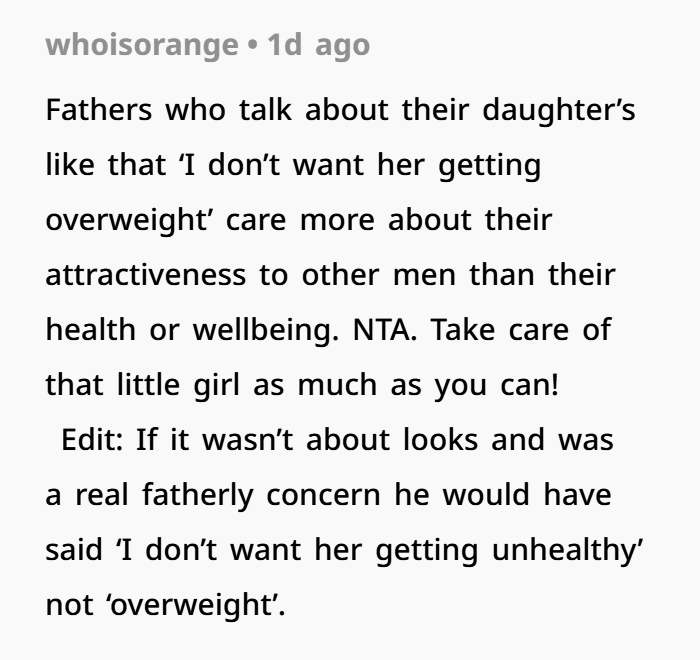
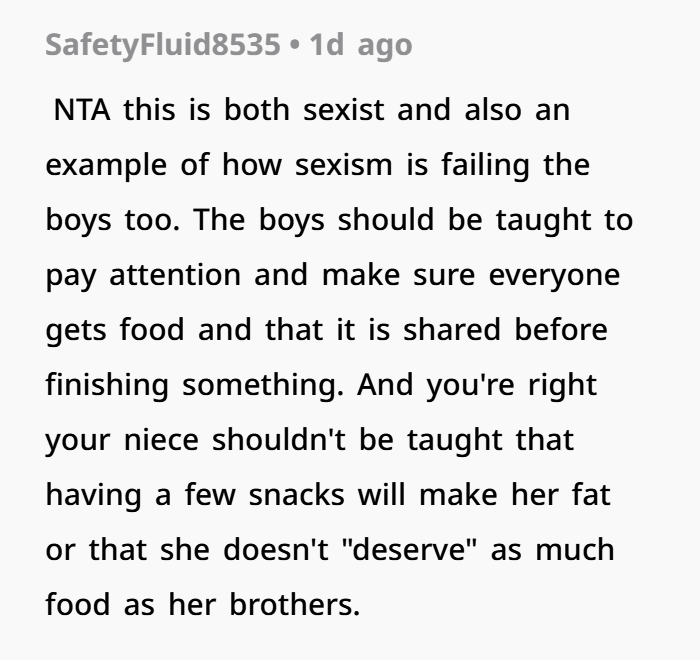
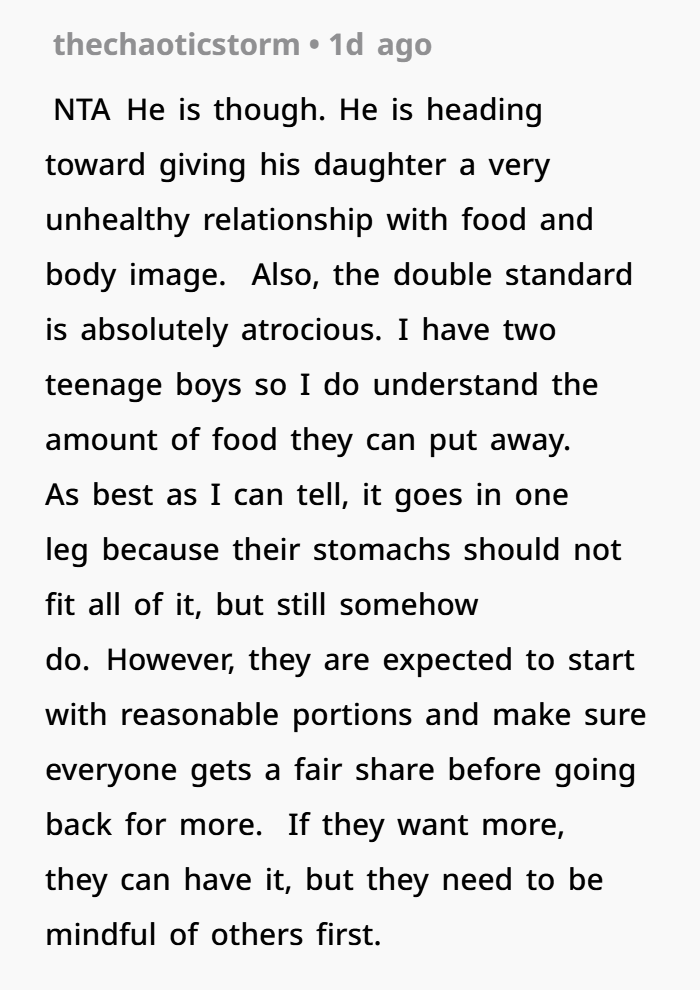
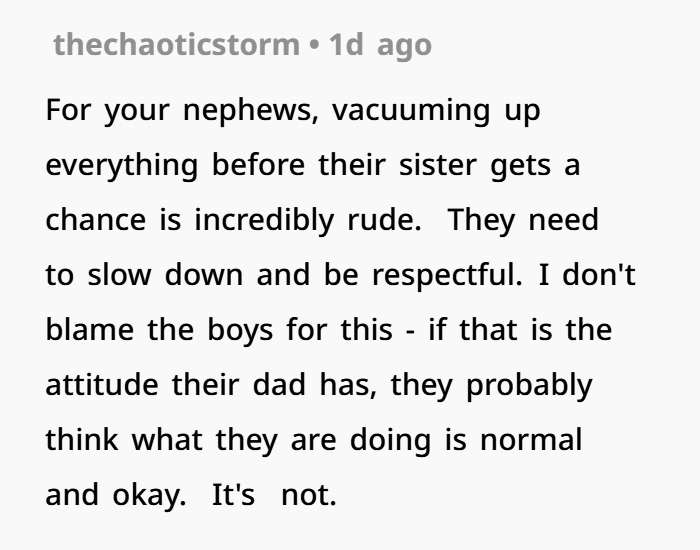
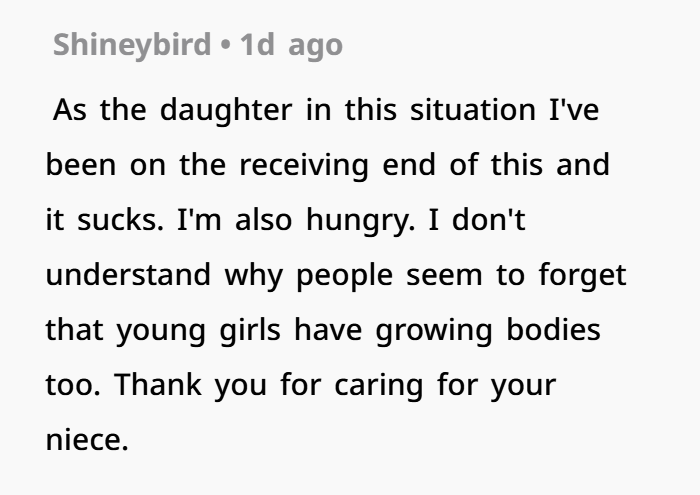
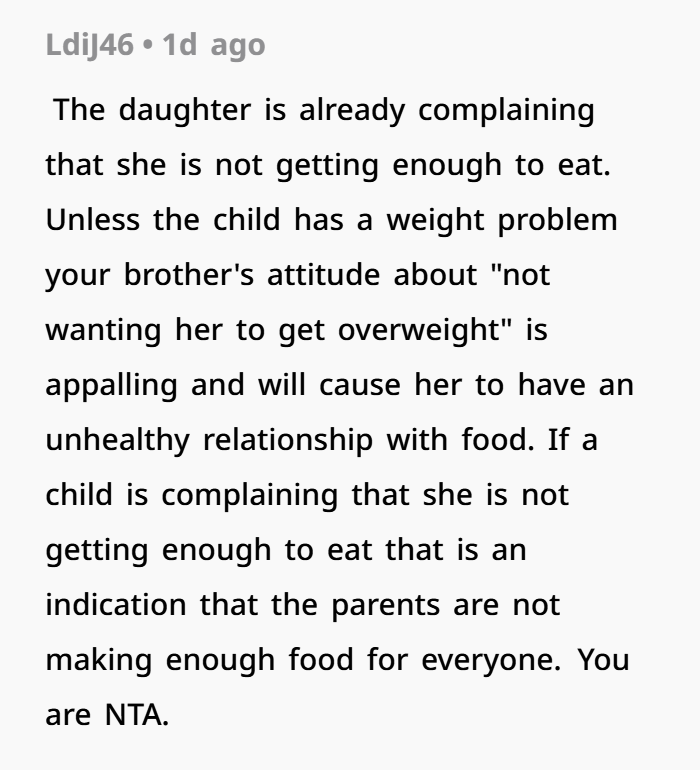
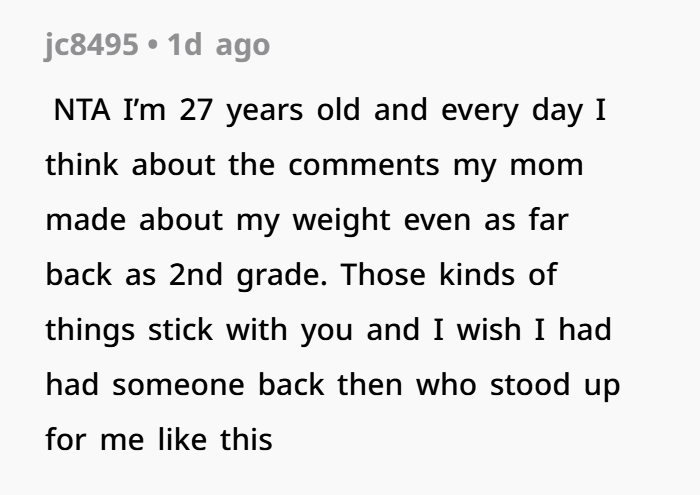
Top Comments From Readers

The Bigger Lesson
This story is about much more than snacks.
It highlights how important it is for children to feel valued, supported, and respected.
Whether a family is discussing meals, exercise, or health choices, the goal should always be the same: helping children grow into confident and healthy adults.
Good parenting is not about being perfect.
It is about listening, learning, and making sure every child feels cared for.