My College Classmate Admitted to Stealing My Grandmother’s Earrings on National Television


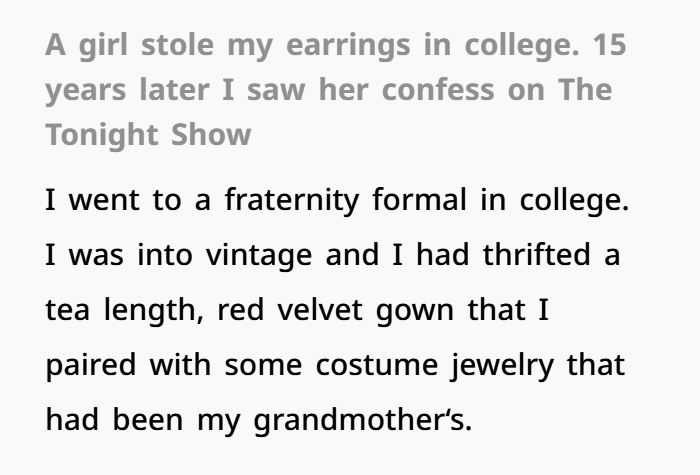
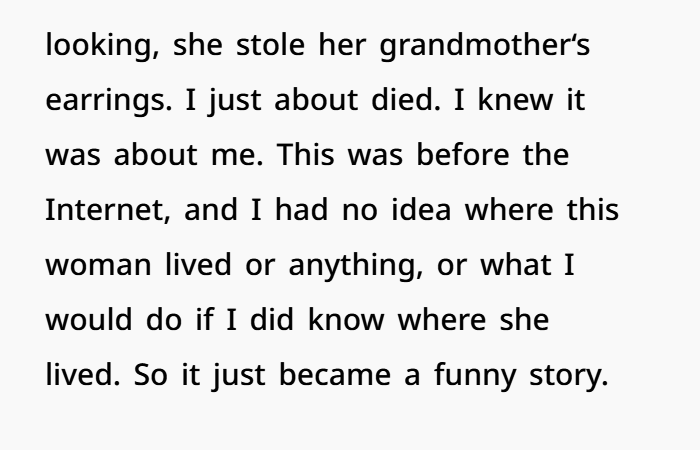
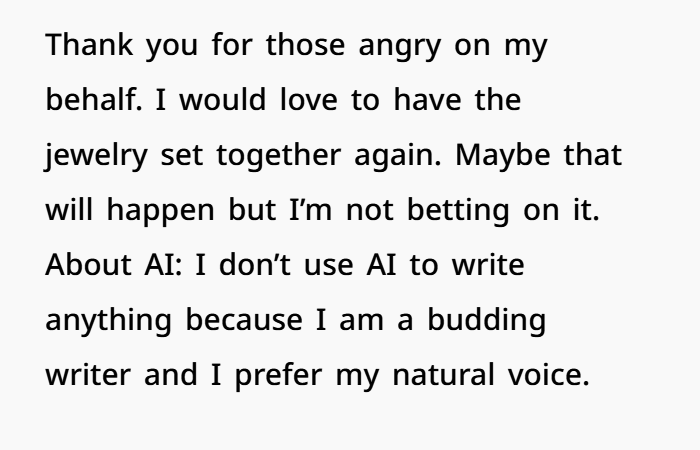
A woman has shared an unusual story about losing her grandmother’s vintage jewelry at a college event and possibly discovering what happened to it years later. Around 15 years ago, she attended a fraternity formal wearing a beautiful red velvet gown and a matching rhinestone jewelry set that had belonged to her grandmother. Several guests complimented the jewelry during the evening. However, the clip-on earrings became uncomfortable, so she removed them and placed them beside her purse before returning to the dance floor. When she came back, the earrings were missing. She searched the area with other guests, but the sentimental jewelry was never recovered. Eventually, she thought the family keepsake was gone for good.
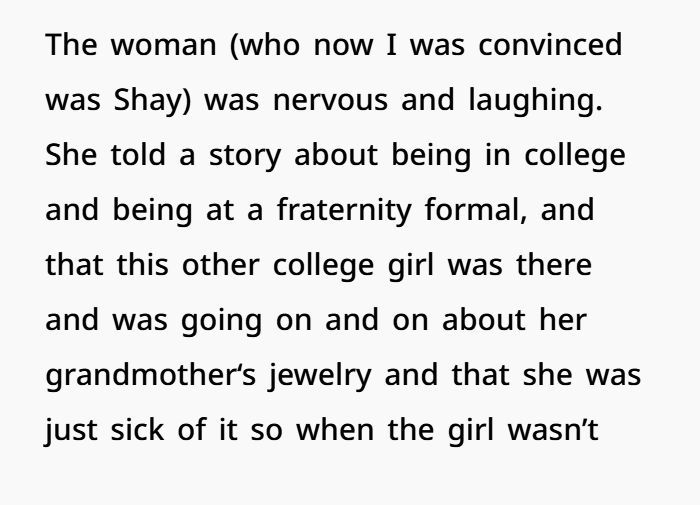
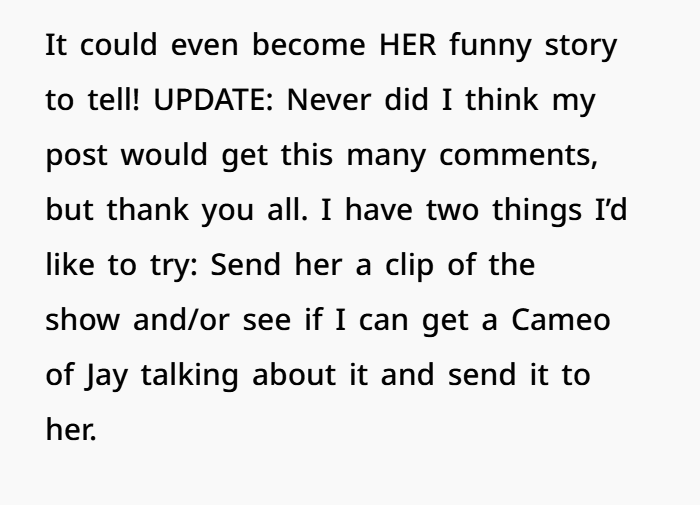
Years later, she was watching Jay Leno interview audience members on The Tonight Show when she heard something that caught her attention. During a segment about personal confessions, a woman admitted that she had taken another student’s grandmother’s earrings at a college fraternity formal. She explained that she had been annoyed by how often the student talked about the jewelry. The viewer immediately recognized the woman as Shay, someone she had known during college. The details of the confession sounded very similar to her own experience, making her wonder if Shay had finally revealed what happened to her missing vintage earrings.
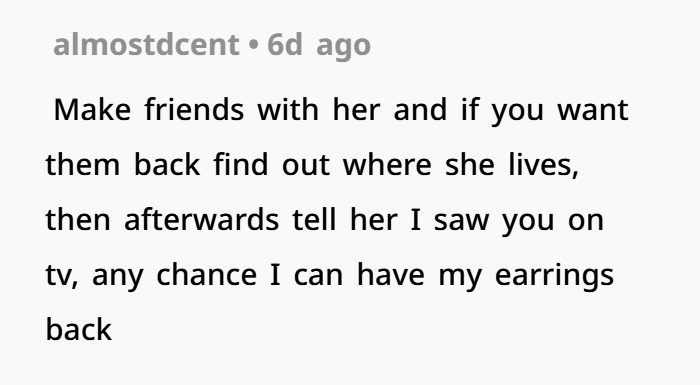
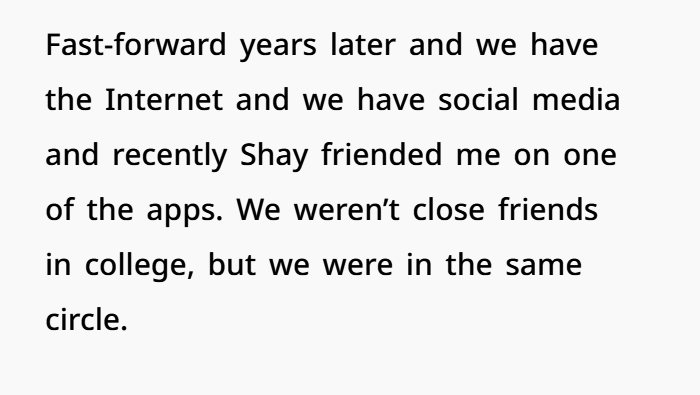
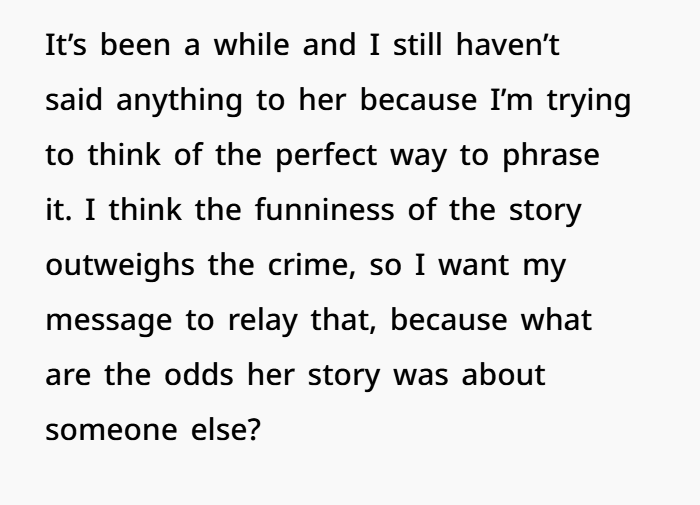
The memory remained in the back of her mind for years until Shay recently sent her a friend request on social media. The unexpected connection gave her an opportunity to ask about the missing jewelry. She wants to approach the situation with humor rather than anger and hopes to start a friendly conversation about the old college event. More than anything, she would like to know whether Shay still has the earrings. Since they belonged to her grandmother, getting them back would mean much more than simply recovering an old accessory.
After receiving a surprising amount of attention online, the woman is now thinking about contacting a podcast to share her story. She hopes the conversation might help her reconnect with Shay and find out what happened to the family jewelry. Her experience has turned into an interesting story about vintage accessories, family memories, and an unexpected social media connection. Even after 15 years, she has not given up hope of finding the missing earrings and bringing this long-running mystery to a satisfying end.



The Emotional Value of Family Heirlooms: Why Some Belongings Cannot Be Replaced
Have you ever kept something simply because it reminded you of someone special?
It could be an old family photograph, a watch, a wedding ring, or a small piece of jewelry passed down through generations.
These items may not have a high market value, but they can hold important memories.
This is what makes family heirlooms so special.
A recent story highlights this idea after a woman discovered that someone had admitted to taking her grandmother’s earrings around 15 years earlier.
The earrings were inexpensive costume jewelry, but they meant much more to their owner because of their family connection.
The unexpected confession brought an old memory back and created a chance for the woman to contact the person involved.
The situation raises interesting questions about sentimental belongings, personal responsibility, and the importance of family memories.
1. What Makes Family Heirlooms So Special?
A family heirloom is an item that is passed down or kept because of its connection to family history.
It could be jewelry, furniture, photographs, artwork, or another personal belonging.
Some heirlooms are expensive, while others have very little financial value.
What makes them special is the story behind them.
For example, a simple necklace from a grandmother may mean more to someone than a new designer necklace.
The original item may remind its owner of family celebrations, childhood memories, or time spent with someone they loved.
In this story, the earrings belonged to the woman’s grandmother.
Their value was not based on their price. It came from the memories connected to them.
Consumer psychologist Russell Belk explored this connection in his 1988 paper, Possessions and the Extended Self.
His research discussed how people can connect their personal belongings with their identity and life experiences.
This helps explain why replacing a sentimental item with a similar product does not always make the loss easier.
The new item may look the same, but it cannot carry the same history.
2. Why Do People Sometimes Minimize Their Past Actions?
The most surprising part of this story is Shay’s confession.
She reportedly admitted that she took the earrings because she felt annoyed by another student’s excitement about her grandmother’s jewelry.
It is possible that she did not understand the emotional importance of the earrings at the time.
People sometimes try to make their past actions seem less serious by focusing on small details.
For example, someone might say that an item was inexpensive or that the incident happened a long time ago.
But these reasons do not change the effect of the action on the person who lost something important.
Psychologist Albert Bandura studied moral disengagement and how people sometimes justify behavior that causes harm to others.
His work helps explain why people may find ways to reduce their personal sense of responsibility.
In this situation, the earrings may have seemed unimportant to the person who took them.
But for their original owner, they were connected to a loved family member.
The difference between these two views is important.
The value of a personal belonging should not be decided by someone who takes it.
3. Can an Apology Make Up for a Mistake From the Past?
When someone admits to a mistake many years later, it can create an opportunity for an honest conversation.
The woman in this story does not appear interested in making a public argument.
Instead, she is considering sending Shay a humorous message.
This could be a friendly way to start communication without creating unnecessary tension.
However, a meaningful conversation should also include honesty.
The woman can explain that the earrings were important because they belonged to her grandmother.
If Shay still has the original pair, returning them would be a thoughtful way to make amends.
If she no longer has them, she can still offer a sincere apology.
An apology cannot change the past, but it can show that someone understands the effect of their actions.
It is also important to remember that forgiveness takes time.
The person who was hurt should be allowed to decide how they want to respond.
4. Restorative Justice and Taking Responsibility
Restorative justice focuses on recognizing harm and finding ways to repair it.
It encourages people to understand the effect of their actions rather than focusing only on punishment.
Although this story involves an old and relatively minor incident, some of these ideas can be helpful.
A fair and respectful way to handle the situation could include:
- Acknowledging that the earrings were taken.
- Listening to why they were important to their owner.
- Offering a genuine apology.
- Returning the original jewelry if it is still available.
- Discussing another reasonable way to make amends if the earrings are gone.
These steps would give both women an opportunity to discuss what happened.
The goal does not have to be a close friendship.
Sometimes, simply clearing up an old misunderstanding and taking responsibility is enough.
5. How to Handle Personal Stories That Become Popular Online
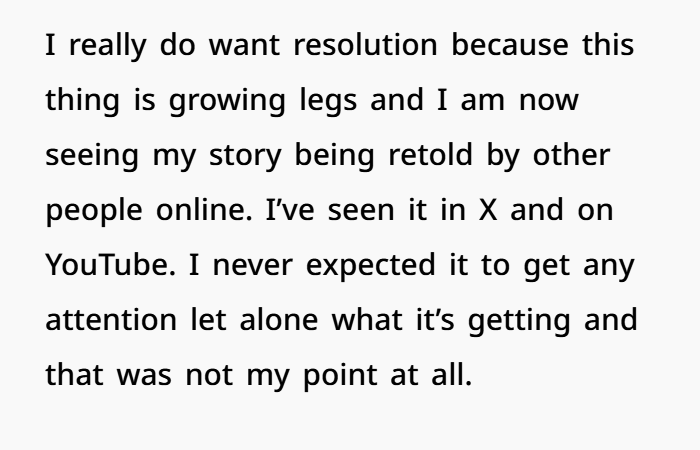
Social media has made it easier for personal stories to reach large audiences.
A story shared by one person can quickly appear on different platforms, including X, YouTube, and other online communities.
This can be a positive experience when people connect over similar situations.
However, increased attention can also bring unwanted messages and questions.
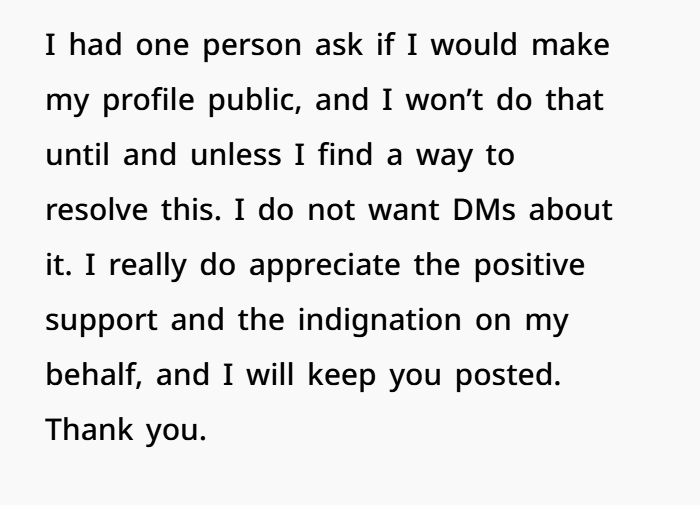
The woman in this story does not seem interested in making her personal profile public.
That is completely reasonable.
People should be able to decide how much of their private life they want to share online.
If she chooses to speak with a podcast, she can share the experience while still protecting her personal information.
There is no need to turn a personal situation into a public argument.
Respecting privacy is important, even when a story attracts attention.
6. Why Sentimental Jewelry Deserves Special Care
Jewelry is often purchased for special occasions, but some pieces have an even deeper meaning.
A ring may come from a wedding. A necklace may be a gift from a parent. A pair of earrings may remind someone of a grandparent.
These personal connections make sentimental jewelry different from ordinary fashion accessories.
For families who own valuable or meaningful jewelry, proper jewelry storage and care can help protect these items.
Keeping heirlooms in a safe, dry place and storing delicate pieces separately can help prevent damage.
It is also helpful to keep a record of important family belongings, especially when items are passed between relatives.
However, good storage cannot protect against every situation.
Respecting other people’s personal property is just as important.
Final Thoughts: Some Things Are Worth More Than Their Price
This story is a reminder that financial value and emotional value are not always the same.
The grandmother’s earrings may have been inexpensive, but they represented a connection to someone the woman loved.
The unexpected confession after 15 years gave her a chance to learn what happened and possibly recover the missing jewelry.
If Shay still has the earrings, returning them would be a meaningful way to make things right.
If not, an honest apology could still bring some closure.
A family heirloom does not have to be expensive to be priceless. Sometimes, the memories attached to a simple object are what make it truly special.
Comments From The Community