How to Avoid Becoming “Mommy McBangmaid” When He Wants to Move In


A woman in her late 30s is in a serious relationship with her boyfriend, who is in his early 30s. They have been together for several years, and she says their relationship is strong. He supports her career, personal goals, friendships, and interests. However, she feels nervous when he talks about moving in together.
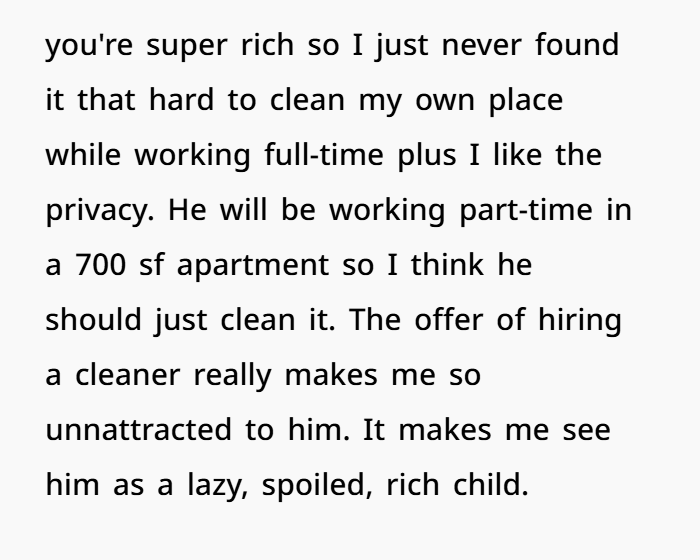
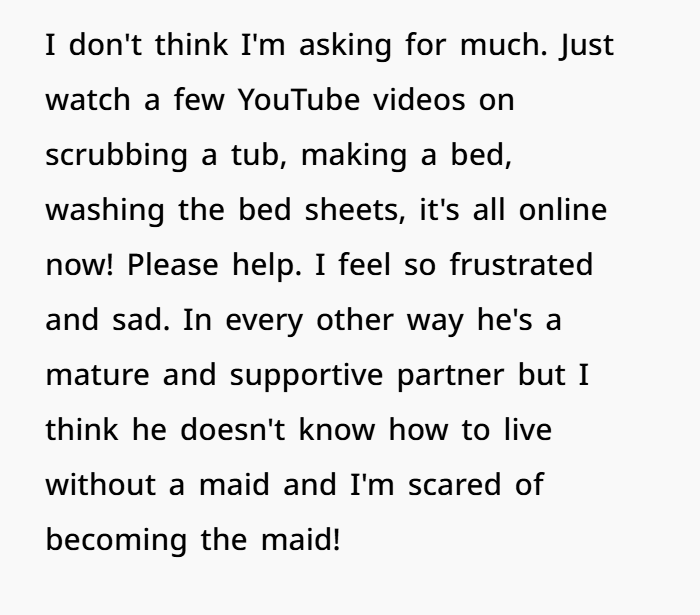
Her main concern is not about their relationship. It is about daily life after sharing a home. Her boyfriend has never lived alone, and she worries that his cleaning habits could become a problem. She does not want to become the person who manages the entire household while he depends on her to handle everything.
She suggested spending more time at his home first to see how he manages daily responsibilities. She wants to understand his habits before making a big decision like living together. Her goal is not to have a perfect home, but to make sure both partners contribute equally to the shared space.
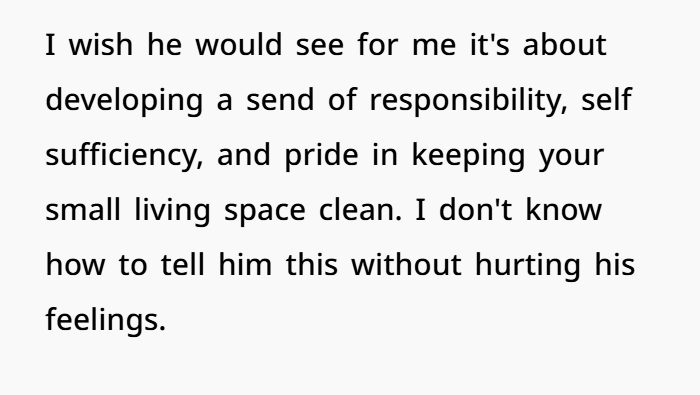
Her boyfriend offered to hire a cleaner, which he believed was a helpful solution. However, she felt that this did not solve the real issue. For her, the concern is about personal responsibility, independence, and taking pride in maintaining a home together.
This situation shows why couples should discuss expectations before moving in together. Conversations about finances, household chores, cleaning routines, and shared responsibilities can help build a healthier relationship and prevent future conflicts.
The poster’s boyfriend comes from a very wealthy family, and he has never lived alone, so he doesn’t know how to look after himself



Moving In Together: How to Talk About Cleaning, Responsibilities, and Expectations
Moving in with a partner is an exciting step in a relationship.
Many couples see it as the next stage of building a life together. They imagine sharing a home, making memories, and spending more time with each other.
But living together is not only about sharing a space.
It also means sharing responsibilities, habits, routines, and everyday tasks.
Before moving in together, couples should talk about important topics like household responsibilities, relationship expectations, financial planning, and division of chores.
These conversations can prevent many problems later.
Living Together Changes a Relationship
Dating someone and living with someone are two different experiences.
When you live separately, you may only see the fun parts of a relationship. You can enjoy dates, weekends, and quality time together.
Living together adds many daily responsibilities:
- Cleaning
- Cooking
- Laundry
- Shopping
- Paying bills
- Organizing the home
- Managing schedules
A shared home requires teamwork.
Many couples experience more disagreements after moving in because they are learning how to combine two different lifestyles.
This does not mean the relationship is bad. It simply means both people need to adjust.
The Hidden Work of Running a Home
Cleaning is not only about doing physical tasks.
There is also something called the “mental load.”
The mental load includes things like:
- Remembering what needs to be done
- Planning household tasks
- Noticing when supplies are running low
- Organizing appointments and schedules
- Reminding someone else to help
Sometimes one person ends up doing most of this work without realizing it.
For example, one partner may not only clean the kitchen but also be the person who remembers when the kitchen needs cleaning.
That extra responsibility can become stressful over time.
A healthy relationship means both people contribute to keeping the home running.
Wanting a Clean Home Is Not Being Difficult
Wanting a reasonably clean home is a normal expectation.
It does not mean everything must be perfect.
Most people simply want a living space where they feel comfortable and respected.
If one person enjoys a very organized home and the other person is comfortable with mess, problems can happen unless they talk about it.
The important questions are:
- What does “clean enough” mean to both people?
- How often should chores be done?
- Who handles different tasks?
- What happens when someone is busy?
Small conversations now can prevent bigger arguments later.
A Cleaner Can Help, But It Is Not the Whole Solution
Hiring a cleaner can be a great option for many couples.
Professional cleaning services can save time and reduce stress.
However, a cleaner should not replace basic responsibility.
A person living in a shared home should still be able to:
- Pick up after themselves
- Wash dishes
- Handle their laundry
- Keep their personal space manageable
- Contribute to daily tasks
A cleaner can help with deep cleaning, but a relationship still needs teamwork.
Talk About Expectations Before Moving In
Before signing a lease or combining households, couples should discuss their expectations.
Here are some helpful questions:
Why Do We Want to Live Together?
Are you moving in because you both feel ready?
Are you excited about building a future together?
Or are you doing it because it feels like the next thing you are “supposed” to do?
Understanding the reason helps create a stronger foundation.
How Will We Divide Household Tasks?
Talk about specific responsibilities.
For example:
- Who cooks?
- Who cleans bathrooms?
- Who handles groceries?
- Who manages bills?
- Who does laundry?
Do not assume your partner will automatically know what you expect.
How Will We Handle Problems?
Every couple has disagreements.
The goal is not avoiding conflict completely.
The goal is learning how to solve problems respectfully.
Use Team Language During Difficult Conversations
Talking about chores can easily feel personal.
Instead of saying:
“You are messy.”
Try:
“I want us to create a home where we both feel comfortable.”
Instead of:
“You never help.”
Try:
“I want us to find a system where we both contribute.”
The goal is not to blame your partner.
The goal is to create a fair partnership.
Try a Trial Period Before Moving Permanently
Spending more time at each other’s homes can help couples understand what daily life together may look like.
Pay attention to simple things:
- Does your partner clean up after meals?
- Do they notice tasks that need attention?
- Do they take responsibility without being reminded?
- Do you feel like a team?
You can also try small shared projects, such as:
- Cleaning a room together
- Cooking meals together
- Organizing a space
- Planning household routines
These small experiences can reveal a lot.
What If Your Partner Gets Defensive?
Sometimes people feel hurt when these conversations happen.
Your partner may think:
“You do not trust me.”
“You do not want to take the next step.”
But discussing responsibilities does not mean you love someone less.
It means you want the relationship to succeed.
A mature partner should be willing to talk about practical issues.
The important thing is how both people respond.
A good relationship allows both partners to share concerns without feeling attacked.
Take Your Time With Big Relationship Decisions
Moving in together is a major step.
It can be exciting, but it should not happen only because one person wants it quickly.
A shared home works best when both people feel ready.
Taking time to discuss expectations, finances, chores, and lifestyle habits can make the transition much smoother.
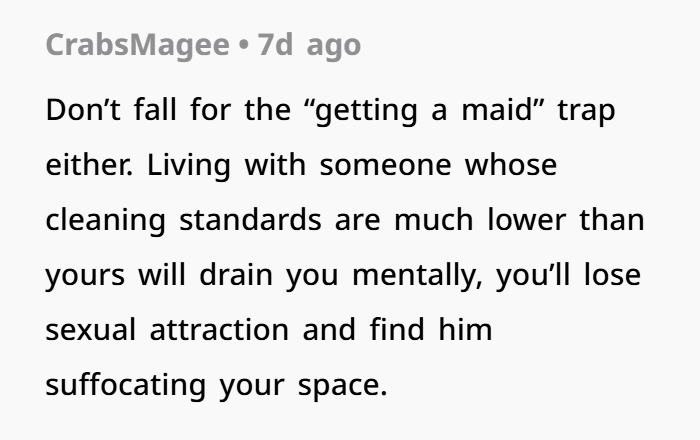
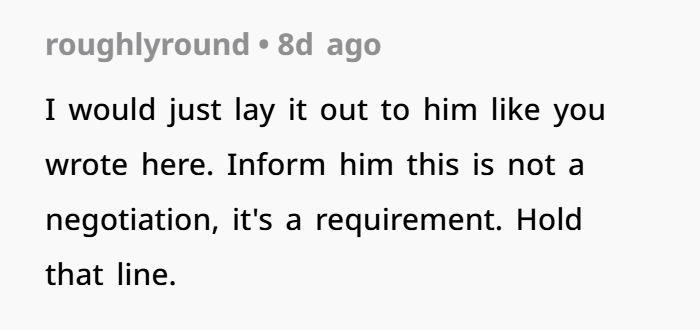
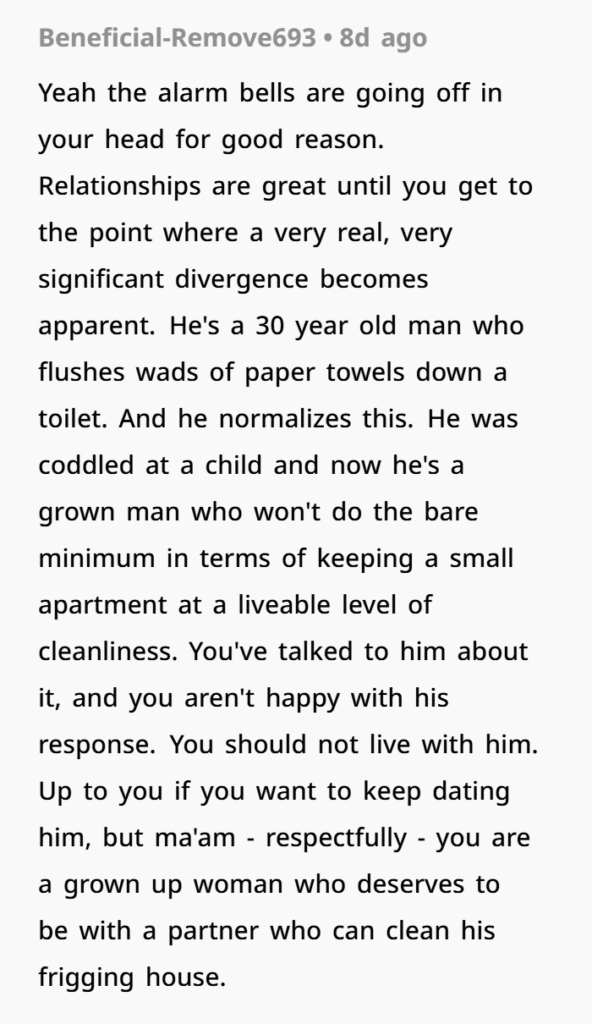
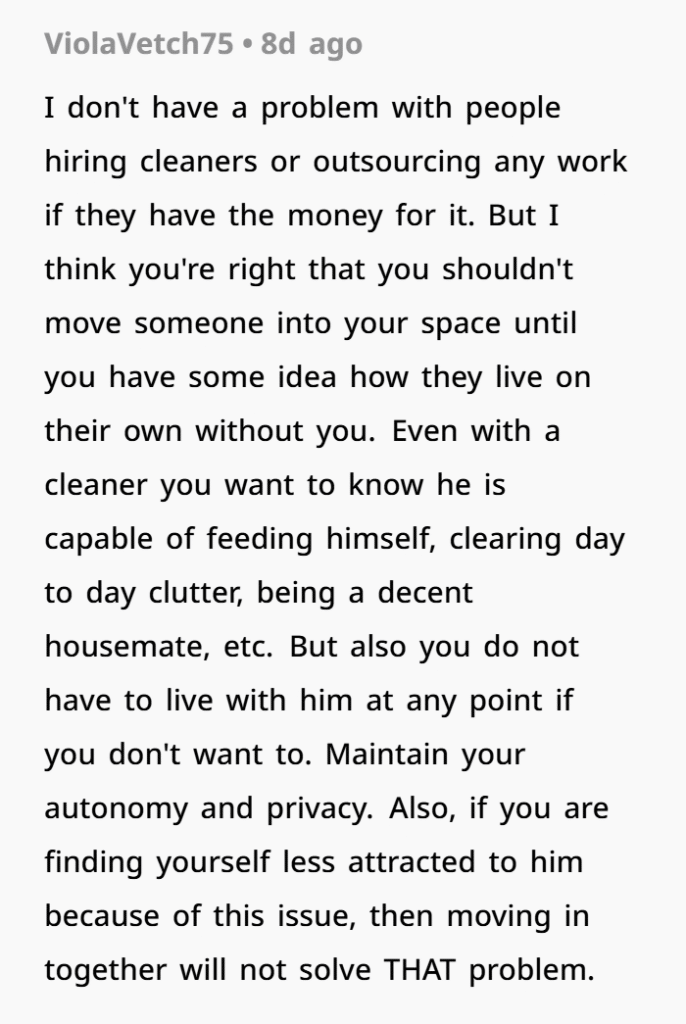
Netizens advised that if she really finds the manchild unattractive, then moving in with him will only make things worse between them


Final Thoughts
Living together is about more than sharing a home.
It is about building a partnership where both people feel respected and supported.
Before moving in, talk about:
- Household responsibilities
- Cleaning habits
- Money expectations
- Personal space
- Communication styles
A strong relationship is not built only on love.
It is also built on teamwork, honesty, and the ability to handle everyday life together.