He Survived the Accident, But I Lost the Man I Knew

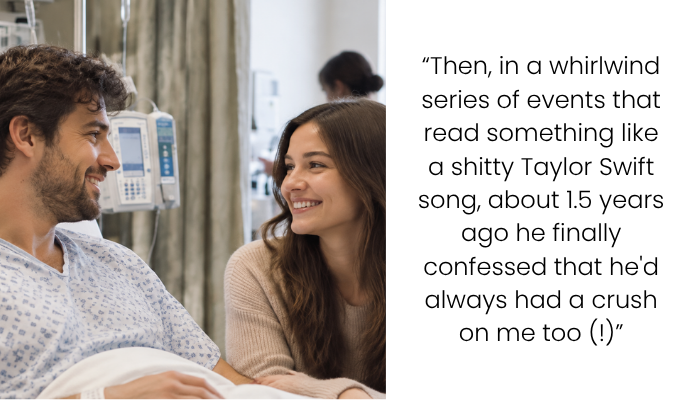
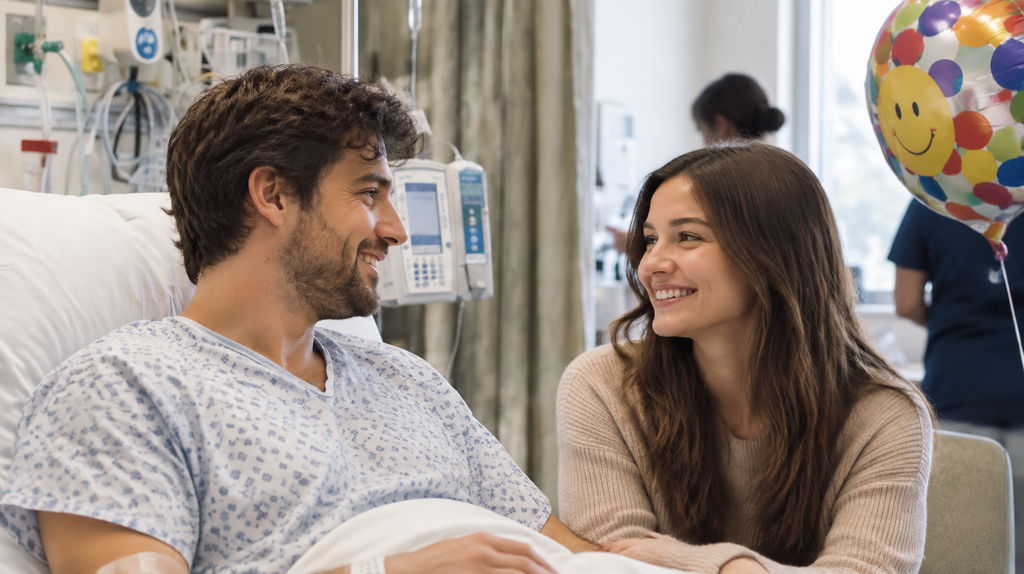
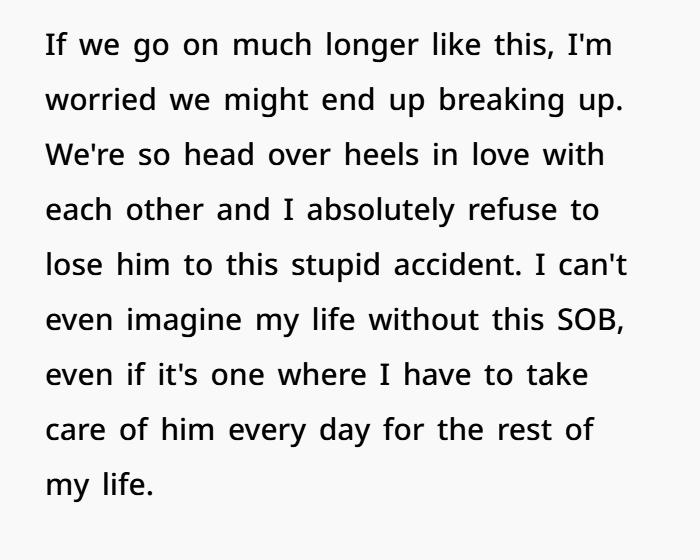
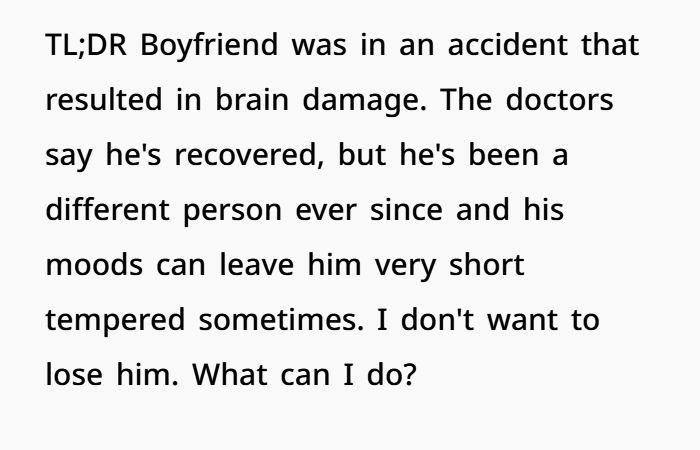
A young woman faces a life-changing situation when her longtime friend and partner experiences a traumatic brain injury (TBI) after a sudden accident. Before this event, their relationship was filled with love, friendship, and strong emotional support. They had built a connection that felt safe and meaningful over many years.
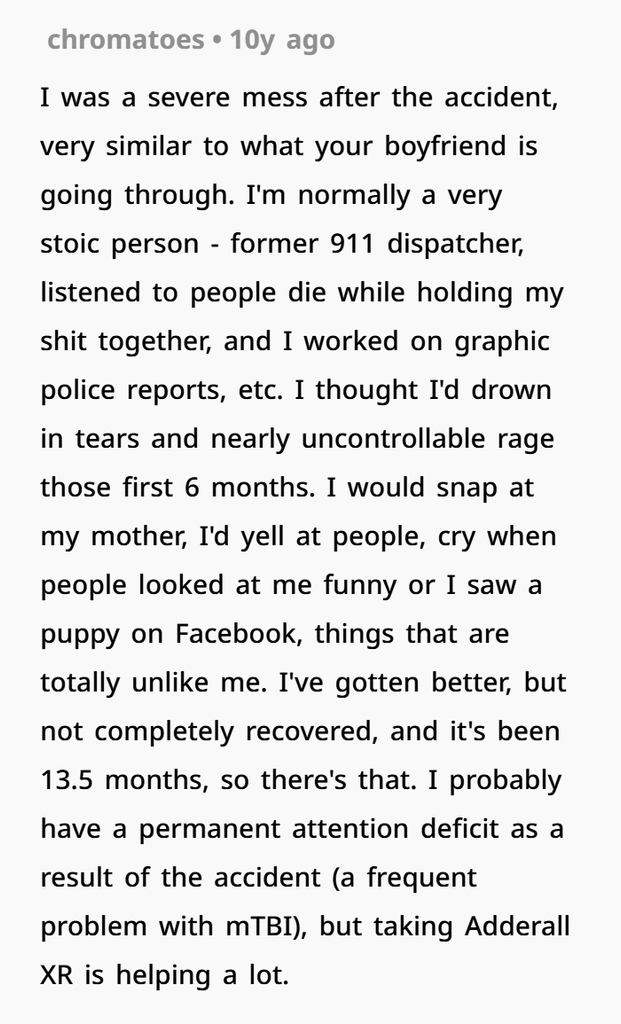
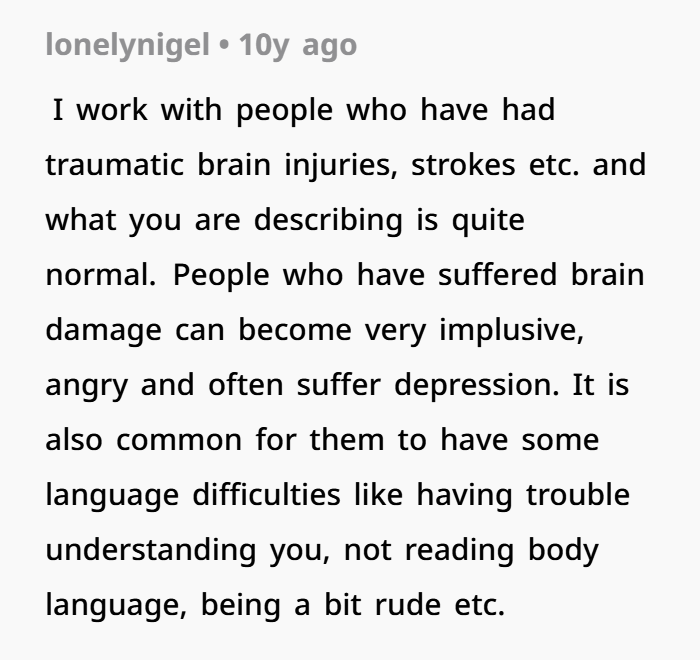
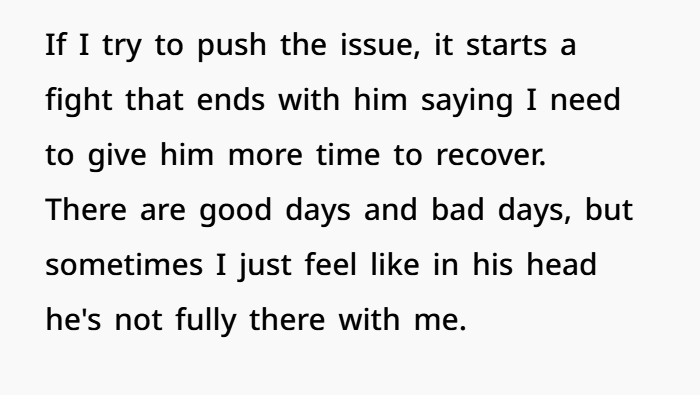
The recovery process brings unexpected challenges. While medical professionals confirm that he is physically doing better, she realizes that some changes remain. His emotions, motivation, personality, and ability to handle everyday situations are not the same as before. These invisible effects of brain injury create new challenges for both of them.
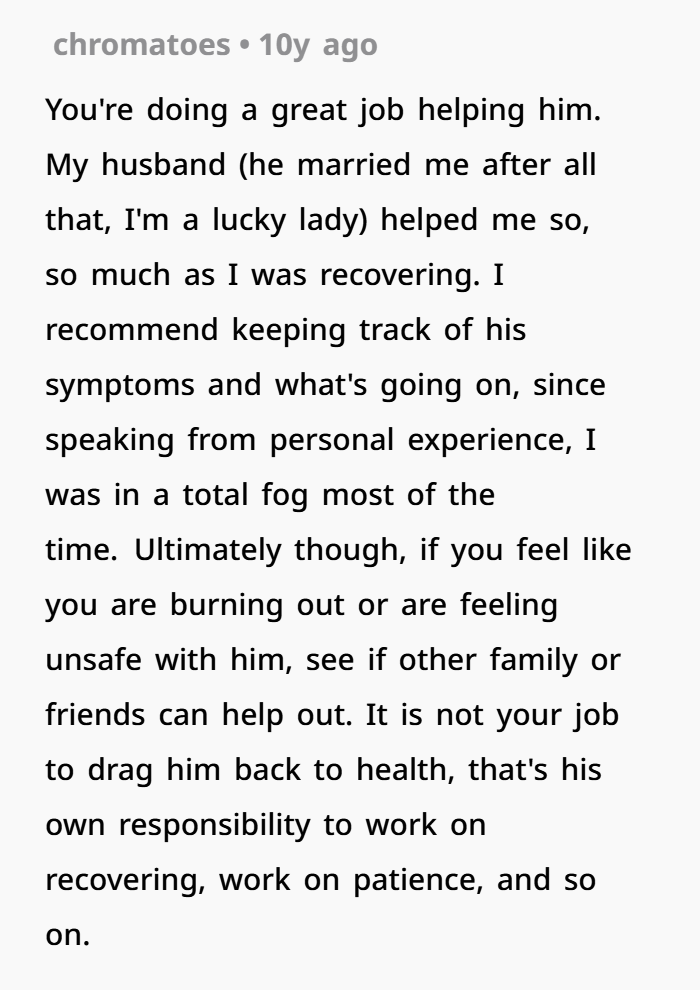
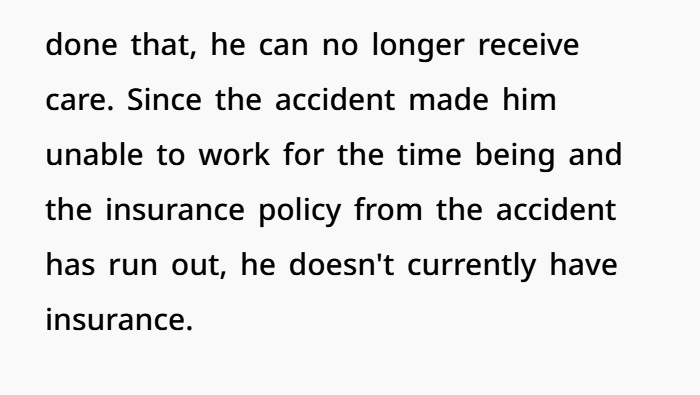
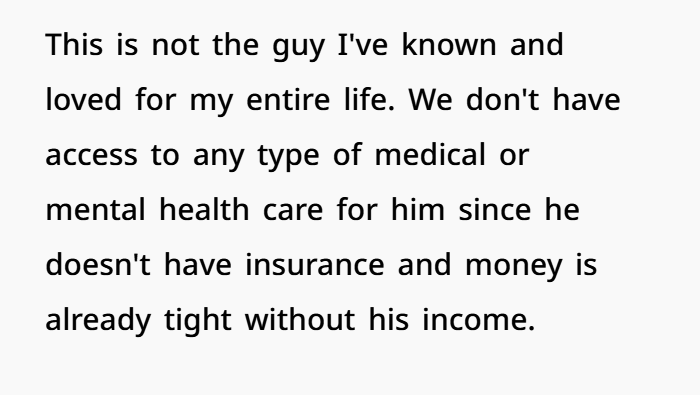
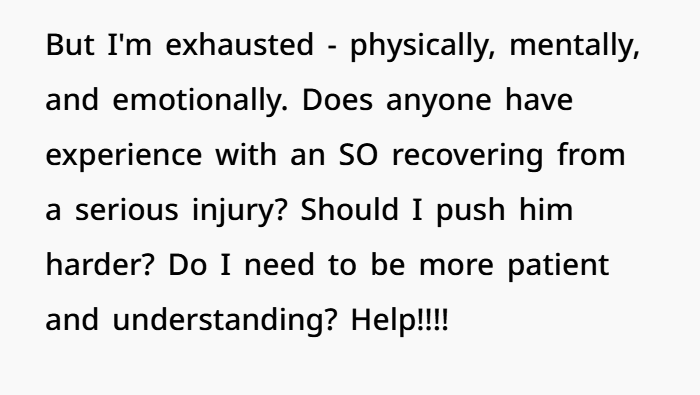
She still loves him and wants to support him, but she also struggles with the changes in their relationship. Instead of being equal partners, she finds herself becoming a caregiver and taking care of more household duties. The emotional pressure, financial stress, and responsibility become difficult to manage.
This story shares an important message about brain health, family care, and emotional wellness. Recovery after a serious injury can take time, and many families need patience, professional support, and healthy coping strategies to move forward.



How Traumatic Brain Injury Can Change Personality, Emotions, and Relationships
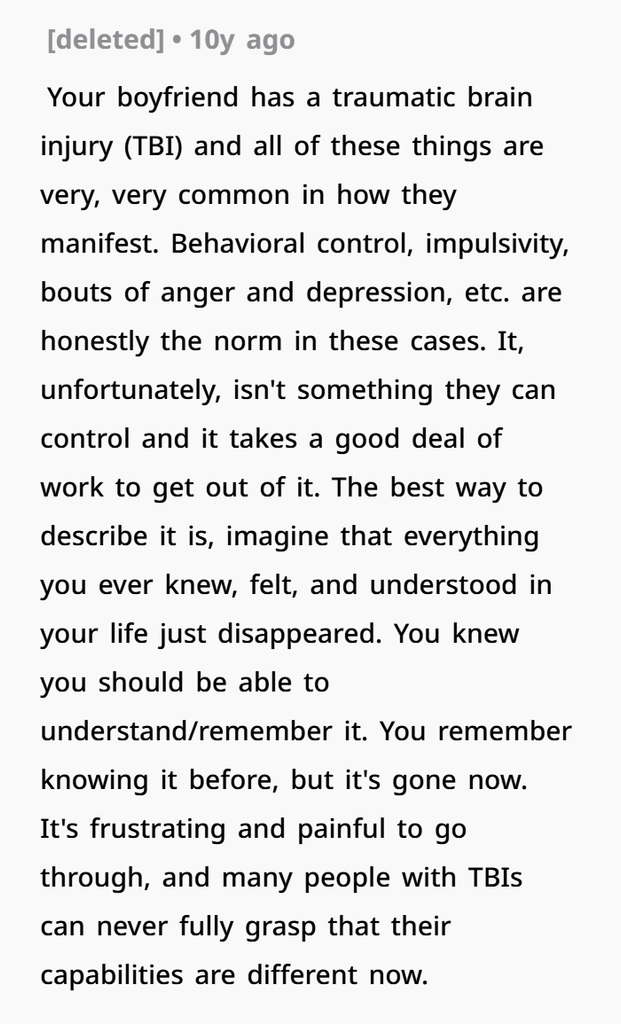
When people think about a traumatic brain injury (TBI), they often imagine physical problems. They may think about someone having trouble walking, speaking, or remembering things. But a brain injury can affect much more than physical abilities.
The brain controls emotions, behavior, decision-making, motivation, and personality. Because of this, a person can look completely fine on the outside while dealing with major changes inside.
Many families and partners of brain injury survivors notice changes that are difficult to understand. Someone who was once calm, hardworking, and emotionally connected may become frustrated, withdrawn, or less interested in daily life.
These changes can be painful for everyone involved.
Why Does a Brain Injury Change Someone’s Personality?
A traumatic brain injury can affect areas of the brain that control emotions and behavior. One of the most important areas is the frontal lobe.
The frontal lobe helps people:
- Control emotions
- Make decisions
- Plan daily activities
- Control impulses
- Stay motivated
- Understand how their actions affect others
When this part of the brain is damaged, a person may act differently than they did before the injury.
For example, someone who was normally patient may become easily irritated. Someone who used to have strong goals may struggle to start simple tasks.
This does not always mean the person does not care. Sometimes the brain is having trouble turning thoughts and intentions into actions.
This problem is called executive dysfunction.
When “Laziness” Is Actually a Brain Injury Symptom
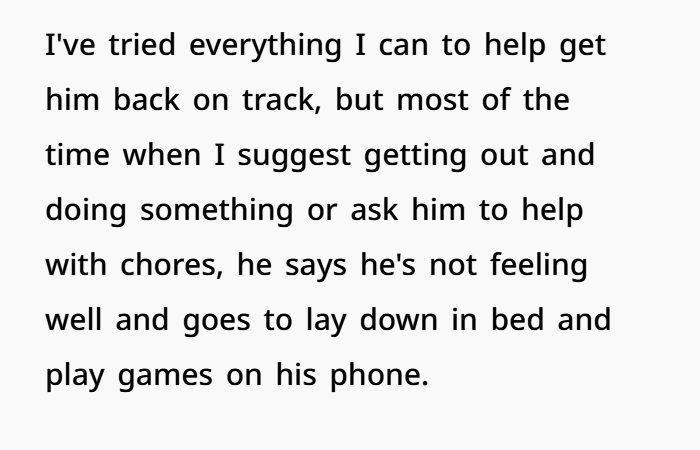
After a brain injury, some people struggle with motivation and completing tasks. From the outside, it may look like they are being lazy or not trying.
However, brain injury specialists explain that this can be a neurological problem.
A person may want to clean the house, find a job, exercise, or complete responsibilities, but they may feel stuck and unable to begin.
Common signs of executive dysfunction can include:
- Difficulty starting tasks
- Forgetting steps in everyday activities
- Trouble organizing responsibilities
- Feeling overwhelmed easily
- Needing reminders or support
Understanding this difference can help families provide better support during recovery.
Depression After Traumatic Brain Injury
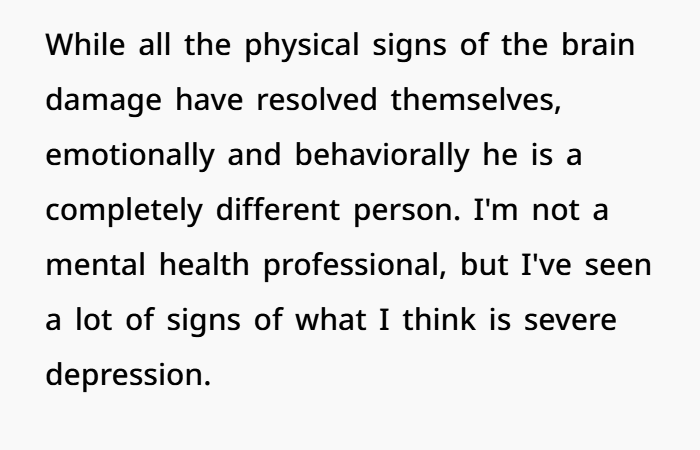
Mental health changes are common after a traumatic brain injury. Many survivors experience depression, anxiety, or emotional struggles during recovery.
Depression after TBI does not always look like sadness.
Some people may show depression through:
- Anger or frustration
- Sleeping too much
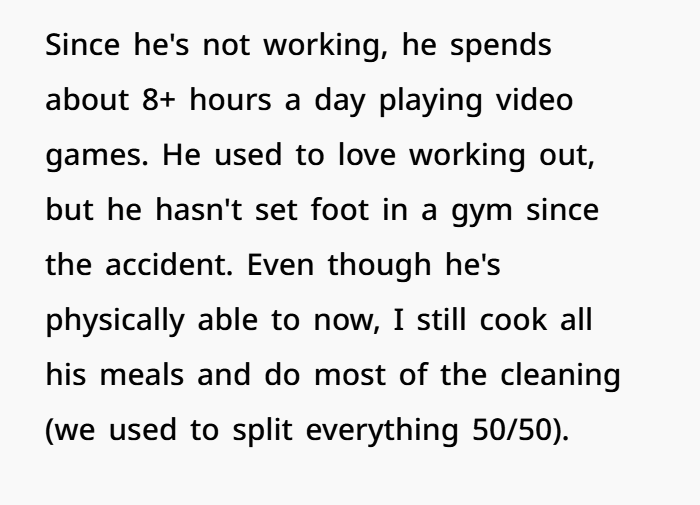
- Losing interest in hobbies
- Avoiding friends and family
- Spending many hours watching TV or using a phone
- Feeling tired or overwhelmed by normal tasks
These symptoms can affect relationships, work, and daily independence.
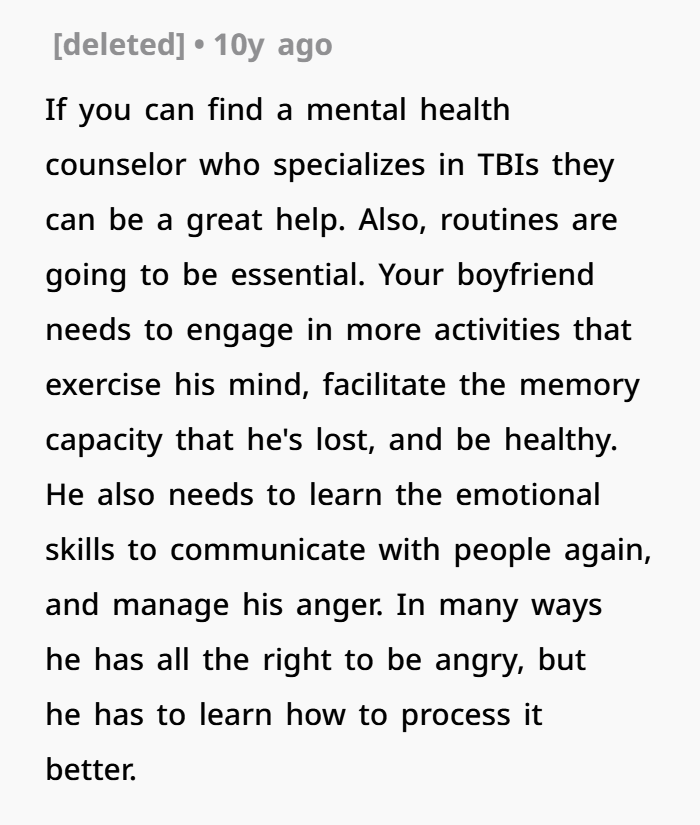
Getting professional mental health support, counseling, or medical guidance can make a big difference for many brain injury survivors.
The Emotional Impact on Partners and Families
A brain injury does not only affect the person who was injured. It also affects the people around them.
Many caregivers experience something called ambiguous loss.
This means grieving changes in someone who is still physically present.
A partner may think:
“Why does the person I love feel so different now?”
This can create feelings of sadness, confusion, guilt, and frustration.
The injured person may also feel misunderstood because they know they are trying, even if others do not see their efforts.
Both experiences can be true at the same time.
The survivor is dealing with changes in their brain, while the caregiver is adjusting to a completely different relationship.
Why Physical Recovery Does Not Always Mean Full Recovery
One of the biggest misunderstandings about brain injury is that physical improvement means everything is better.
A person may be able to walk, talk, and complete basic activities but still struggle with:
- Returning to work
- Managing emotions
- Maintaining relationships
- Handling stress
- Making decisions
- Living independently
This is why neurological rehabilitation is so important.
Recovery often involves more than physical therapy. Many people benefit from:
- Cognitive rehabilitation
- Occupational therapy
- Speech and communication therapy
- Mental health counseling
- Support groups
- Disability resources
Every brain injury is different, and recovery can take time.
Supporting Someone After a Brain Injury
Helping a loved one recover does not mean ignoring your own needs.
A healthy support system should include compassion and boundaries.
Helpful steps may include:
Encourage Small Goals
Big changes can feel impossible after a brain injury. Small daily goals are often more realistic.
Examples:
- Taking a short walk
- Completing one household task
- Following a simple routine
- Attending medical appointments
Small progress can build confidence over time.
Talk During Calm Moments
Difficult conversations usually go better when emotions are under control.
Instead of discussing problems during an argument, choose a quiet moment to explain feelings and concerns.
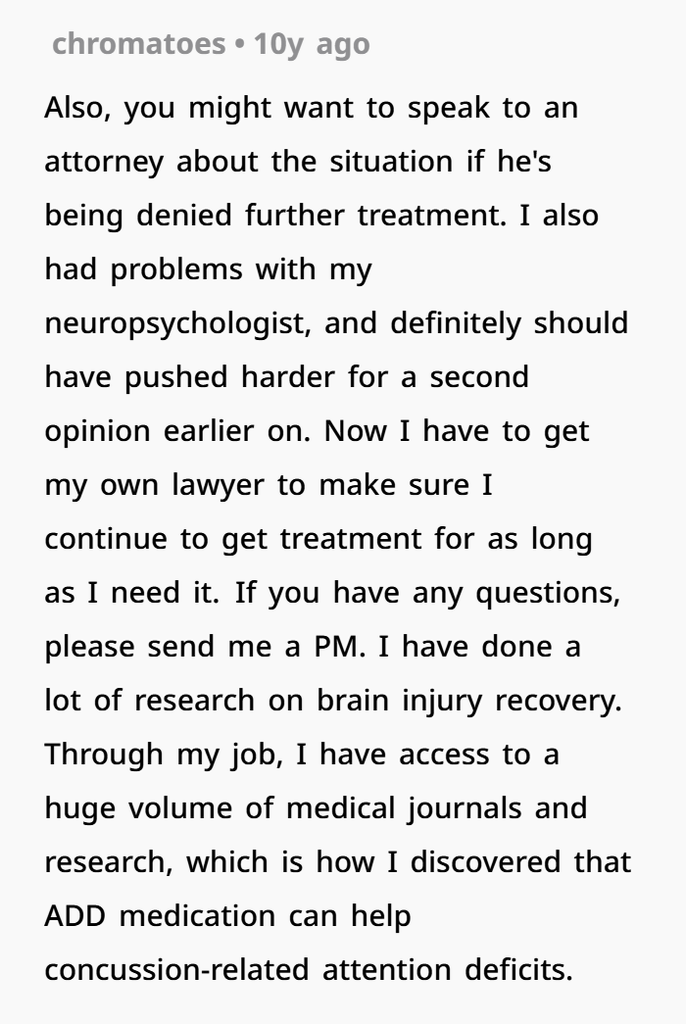
Find Professional Support
Affordable options may include:
- Community healthcare programs
- Nonprofit brain injury organizations
- Sliding-scale therapy services
- University counseling programs
- Local rehabilitation clinics
Professional support can help both survivors and caregivers.
Setting Healthy Relationship Boundaries
A brain injury can explain why someone behaves differently, but it does not mean all behavior should be accepted.
Support and understanding are important, but so are respect and emotional safety.
A caregiver should not have to completely ignore their own feelings or wellbeing.
Healthy relationships after brain injury often require both:
- Patience for the survivor’s challenges
- Clear boundaries around harmful behavior
Recovery works best when the injured person is supported in becoming as independent as possible.
Learning to Love Someone After Brain Injury
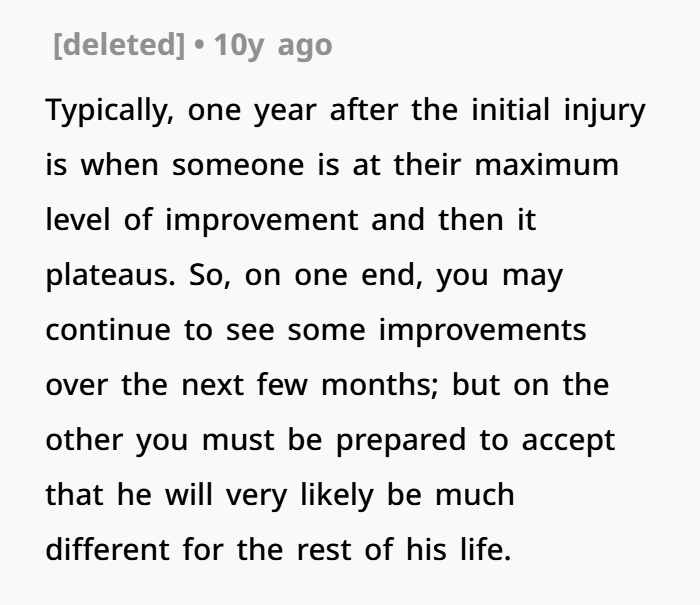
One of the hardest parts of brain injury recovery is accepting that life may not return exactly to the way it was before.
The goal is not always to bring back the “old person.”
Instead, many families learn to build a new relationship based on understanding, patience, and realistic expectations.
A traumatic brain injury can change someone’s personality, emotions, and daily life. But with the right medical care, rehabilitation support, and strong communication, many people continue to improve and create meaningful lives after injury.
The journey can be difficult, but support, education, and compassion can help both survivors and their loved ones move forward together.
Voices From The Community