24-Year-Old Employee Admits to a Secret Relationship With His 47-Year-Old Sales Manager

A 24-year-old network engineer met the company’s new 47-year-old sales manager at work. He helped her set up her office computer, and they soon began talking regularly.
Over the next few weeks, she contacted him whenever she needed technical support. Their conversations became longer and more personal. They talked about their careers, relationships, and daily lives.
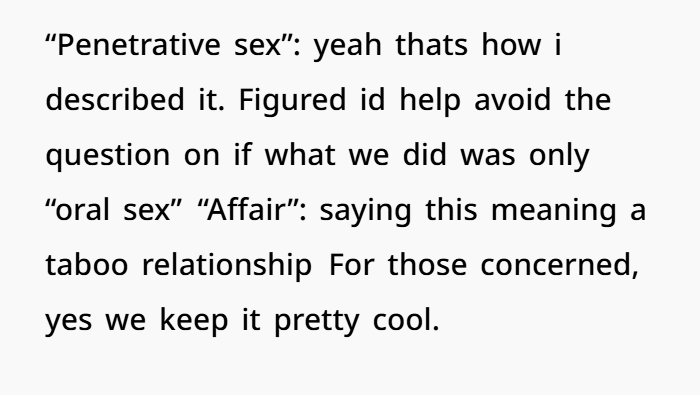
One evening, she invited him to her home to check a computer problem. During the visit, their friendship became romantic. They decided to keep the relationship private, but the situation could affect their careers, workplace boundaries, and company policy.
Although both adults describe the connection as consensual, keeping it hidden could create serious questions about professional boundaries, company policy, and career security.



How the Workplace Connection Developed
The young employee worked as a network engineer at a small company. When the new sales manager joined, he was responsible for preparing her computer and other office equipment.
Their first conversation was casual and professional. He gave her his extension and asked her to contact him if she experienced any technical problems. During her first week, she called several times about minor issues, including loose cables and computer accessories.
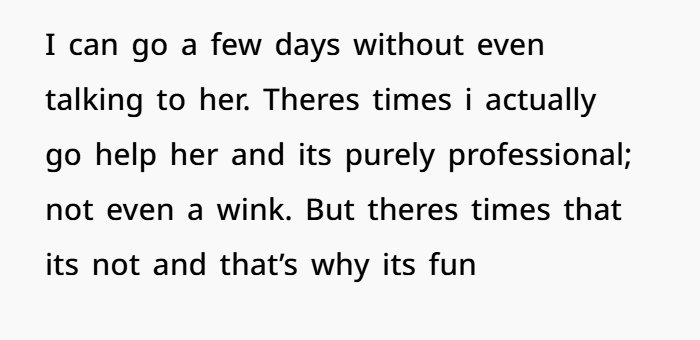
Each support visit created another opportunity for conversation. The new manager was confident and outgoing, while the engineer described himself as quiet and socially awkward. Her friendly personality helped him feel comfortable, and they quickly developed an easy connection.
Their discussions eventually moved beyond work. She spoke about her divorce and mentioned that her former husband had worked in information technology. She also suggested that she found intelligent and technically skilled men attractive. What began as normal office conversation gradually turned into flirting.
A Visit Outside the Office Changed Everything
The situation changed after most employees had left the office one evening. The sales manager called the engineer because her laptop was stuck in its docking station. He fixed the problem, but they remained in her office talking afterward.
During the conversation, she mentioned that her computer at home was no longer starting properly. Because she lived only a few minutes away, he offered to visit and inspect it. She invited him over that same evening.
He arrived with his computer repair equipment and initially attempted to diagnose the problem. However, they soon stopped working on the device, shared drinks, and continued their increasingly personal conversation.
The evening developed into a consensual intimate encounter. He later returned to her home several times, although repairing the computer was no longer the real purpose of those visits. Their private workplace romance continued without the knowledge of their colleagues.
The Hidden Risks of a Manager-Employee Relationship
The age difference may attract attention, but it is not necessarily the most important issue. Both individuals are adults. The greater concern is whether the sales manager has authority over the younger employee’s assignments, performance reviews, compensation, promotion opportunities, or continued employment.
A relationship involving a manager can create a power imbalance, even when both people initially agree to it. If one person can influence the other’s career, questions may later arise about whether consent remained freely given or whether professional decisions were affected by the relationship.
Workplace relationships are not rare. A Society for Human Resource Management survey found that 27% of US workers had experienced a workplace romance. Among those respondents, 18% said such a relationship had negatively affected their career.
Secrecy can also create concerns about favoritism, conflicts of interest, employee benefits, workplace ethics, and fair promotion practices. SHRM reported that perceived favoritism and conflicts of interest are among the leading concerns HR professionals associate with office relationships.
Company Policy and Human Resources Concerns
Employees involved in a workplace relationship should review the company handbook before deciding what to do next. Some organizations allow relationships between coworkers but require disclosure when one person manages or influences the other. Other employers prohibit relationships within the same reporting structure.
SHRM notes that the employee handbook is a common place for workplace-romance rules, although not every employer has a formal policy. Depending on the rules, the company may ask one person to change departments or reporting lines to reduce the conflict of interest.
The couple must also maintain professional conduct while working. Using office time, company equipment, or technical-support requests to arrange private meetings could lead to disciplinary action, even if the relationship itself is permitted.
What Could Happen If the Relationship Ends?
A private relationship may feel exciting while both people are happy, but the risks can become more serious after a disagreement or breakup. The engineer may still need to provide technical support to the manager, while she may remain in a position that influences his work.
Possible problems include:
- Uncomfortable daily interactions
- Workplace gossip and damaged professional reputations
- Claims of favoritism from other employees
- Poor performance reviews or changes in job duties
- Formal HR complaints
- Disputes about consent, pressure, or retaliation
- Employment-law and workplace-harassment concerns
The US Equal Employment Opportunity Commission explains that employers may face serious liability when harassment by a supervisor results in a negative employment decision. The EEOC also states that employees are legally protected from retaliation for reporting discrimination or harassment.
These protections do not automatically make every consensual office relationship a legal problem. However, they show why companies treat manager-employee relationships carefully—especially when workplace authority, career advancement, or job security is involved.
A Safer Way Forward
If the relationship continues, both individuals should discuss their expectations clearly and review the company’s workplace dating policy. If disclosure is required, they may need to speak privately with human resources and request separate reporting arrangements.
They should also avoid flirting at work, using company systems for personal messages, or allowing the relationship to influence business decisions. Clear professional boundaries can protect both employees and reduce the risk of workplace conflict.
The story may have started with harmless computer support, but it has developed into a situation with real career and legal implications. Whether the relationship becomes serious or ends quickly, handling it responsibly will matter far more than keeping it exciting and secret.
See the comments to know what people said


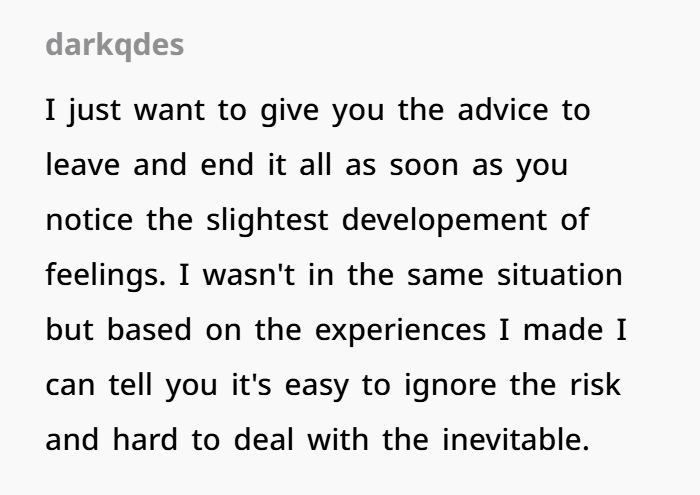
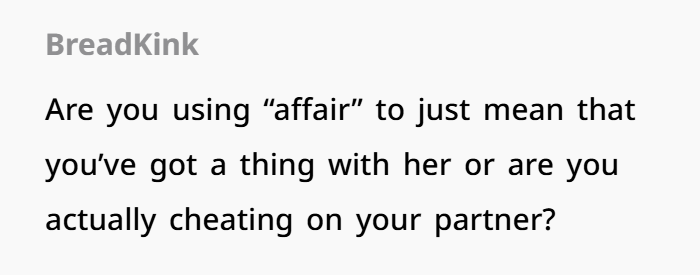



What began as a simple computer repair soon became a secret workplace relationship. Although both employees are consenting adults, the manager-employee dynamic could create professional, emotional, and career risks.
If they want to continue seeing each other, they should review the company’s workplace relationship policy and keep their personal lives separate from their jobs. Clear boundaries and honest communication may help them avoid conflicts of interest, office gossip, HR complaints, and possible damage to their careers.