Employee Rejects the Corporate Ladder and Chooses a Different Work Life


The idea of working smarter instead of working longer has become a popular topic among professionals. Many employees are looking for ways to increase productivity while maintaining a better work-life balance.
Managing a career successfully requires more than just spending long hours at work. Good organization, communication skills, and effective time management can help professionals handle their responsibilities more easily.
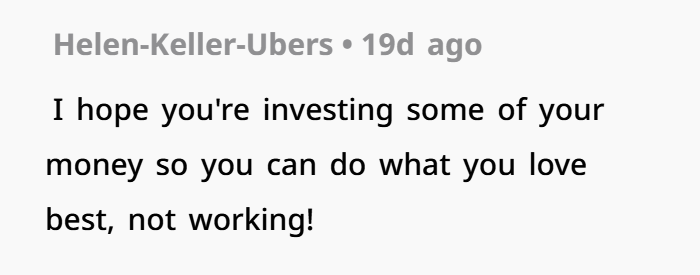
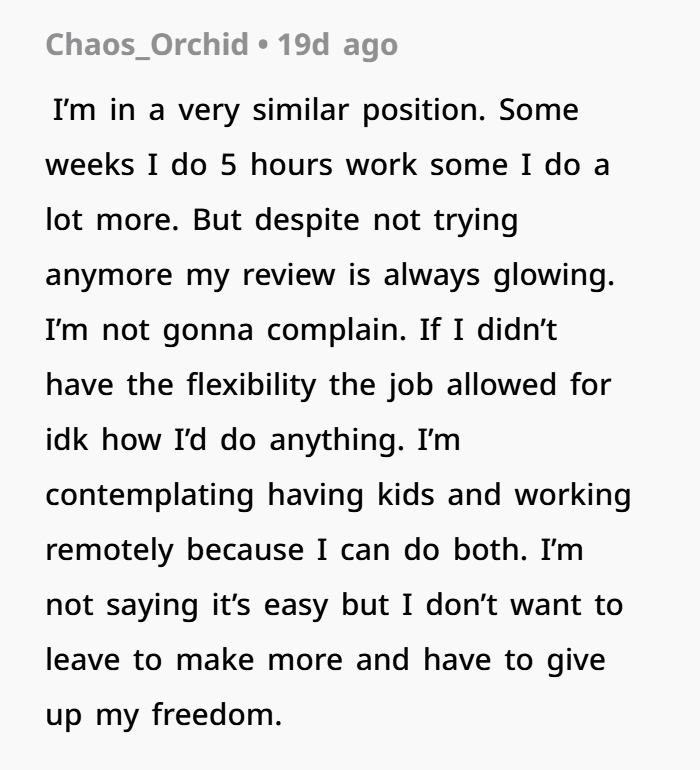
One marketing professional recently shared their workplace experience online. They revealed that even with a yearly income of around $75,000, they are able to complete their main tasks within a few hours each week.
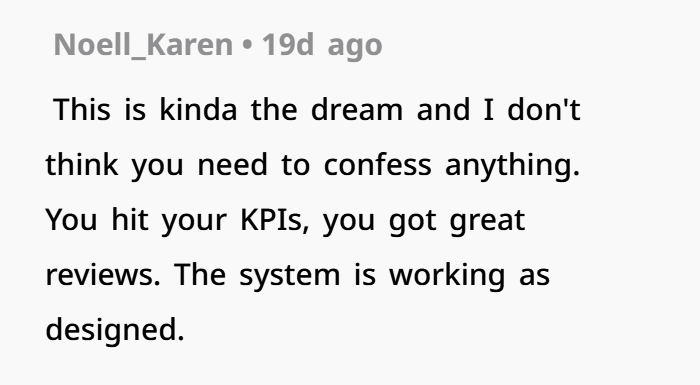
The story gained attention because it shows how important efficiency and smart planning can be in modern careers. The professional was not ignoring responsibilities but had developed a system that helped them complete their work effectively.
This example shows why productivity strategies, professional development, and better workflow management are becoming increasingly important in today’s workplace.

Why the Traditional 9-to-5 Workday Is Starting to Change
For many years, the typical office routine has looked the same: employees arrive around 9 a.m., leave around 5 p.m., and spend about eight hours at their desks. But the reality is that most people are not doing focused work for the entire day.
A large part of the workday is often filled with small breaks, checking emails, casual conversations, browsing the internet, and other distractions.
A survey of office workers in the UK found that many employees are only highly productive for a few hours each day, even when they spend much longer at work. This shows that sitting at a desk for eight hours does not always mean getting eight hours of valuable work done.
The solution is not simply asking people to work harder. Human attention has limits. Most people cannot stay deeply focused on one task for many hours without breaks. When employees are tired or overwhelmed, their productivity naturally starts to drop.
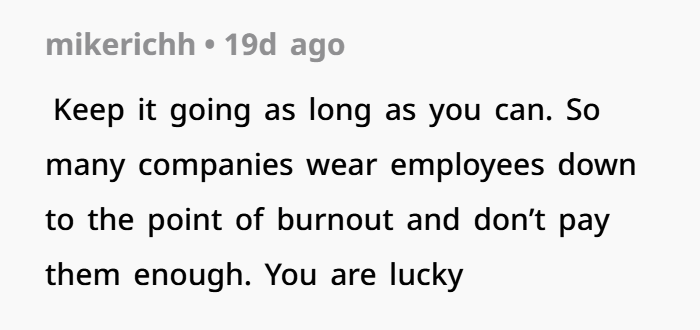
Long working hours can also affect employee health. Constant workplace stress may lead to exhaustion, lower motivation, and problems with overall wellbeing. Over time, this can increase the risk of burnout and make people less satisfied with their jobs.
Research from international health organizations has also linked very long working hours with serious health concerns, including a higher risk of heart disease and stroke.
The Traditional Career Path Is Changing
For decades, many people followed the same career plan: earn a degree, get an entry-level position, work hard, and slowly move up the corporate ladder.
Success was often measured by job titles, promotions, and reaching senior positions.
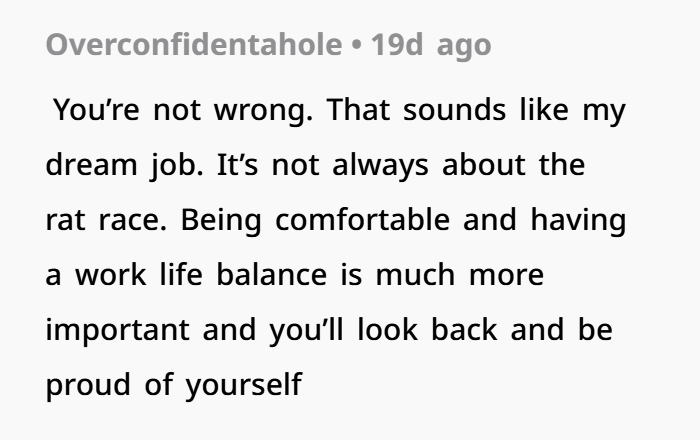
But today, many workers are starting to see career growth differently. Instead of chasing bigger titles and more responsibilities, some employees are focusing more on work-life balance, flexibility, and personal happiness.
Many professionals are choosing jobs that give them more control over their time rather than roles that come with constant pressure and longer hours.
This does not mean people are less ambitious. It means their idea of success has changed.
For some workers, having time for family, hobbies, health, and personal goals is just as important as earning a higher salary or getting a bigger office.
Why More Employees Are Setting Boundaries at Work
In recent years, a workplace trend called “quiet quitting” has become popular.
Despite its name, quiet quitting does not mean leaving a job. It means employees do their assigned work during their working hours but avoid constantly doing extra tasks, working late, or feeling pressured to always be available.
Many employees say this approach helps them create healthier boundaries between their professional and personal lives.
Quiet quitting is often connected to workplace burnout, stress, and feeling unappreciated. When employees feel overworked without enough recognition, they may become less engaged with their jobs.
Remote work and hybrid work have also changed how people view their careers. For many employees, working from home showed that productivity does not always depend on spending more hours in an office.
Instead, many workers now value flexibility, independence, and a healthier daily routine.
Companies Are Testing New Ways of Working
Because of changing employee expectations, some companies are exploring shorter work schedules.
One popular idea is the four-day workweek, where employees work fewer days while focusing on completing important tasks more efficiently.
Several workplace trials have shown that shorter workweeks can improve employee wellbeing, reduce burnout, and maintain business performance.
The results suggest that more hours do not always create better results. In many cases, rested and motivated employees can produce higher-quality work in less time.
The future of work may not be about spending more hours at a desk. Instead, it may focus on smarter systems, better workplace culture, and helping employees stay productive without sacrificing their health.
The traditional 9-to-5 workday is slowly changing because people are looking for something more balanced. Employees want meaningful work, fair treatment, and enough time to enjoy life outside the office.
As workplaces continue to evolve, companies that understand these changes may have a better chance of attracting and keeping talented employees.
Comments From The Community