Stranger Questions Mixed-Race Dad While Shopping With His Son

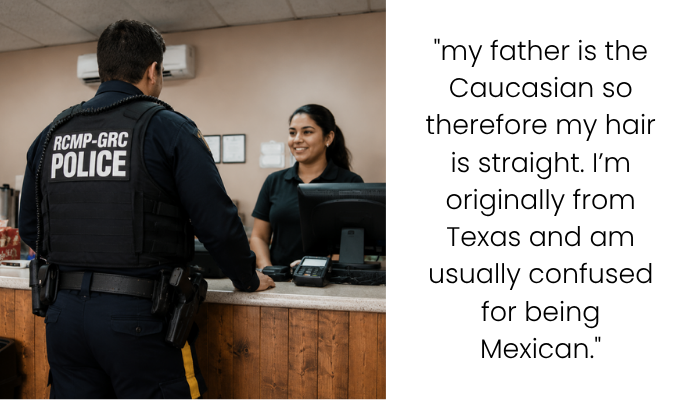
Racism and unfair treatment can still affect people’s daily lives. While many people may not admit to having biased opinions, unconscious bias can sometimes influence the way they see and treat others.
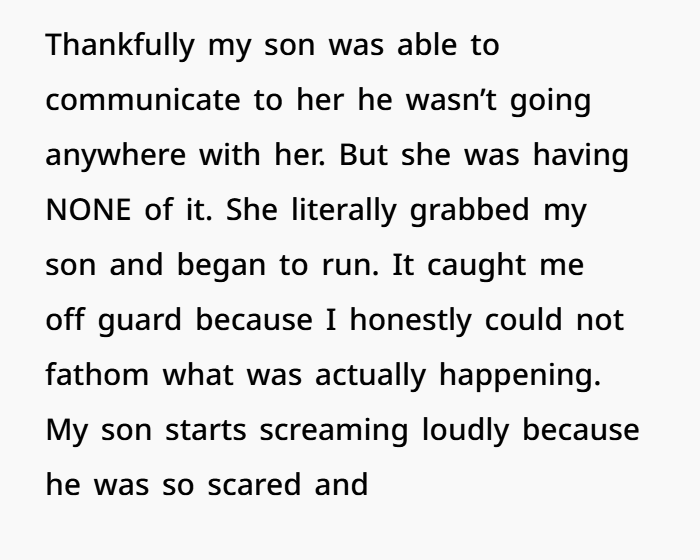
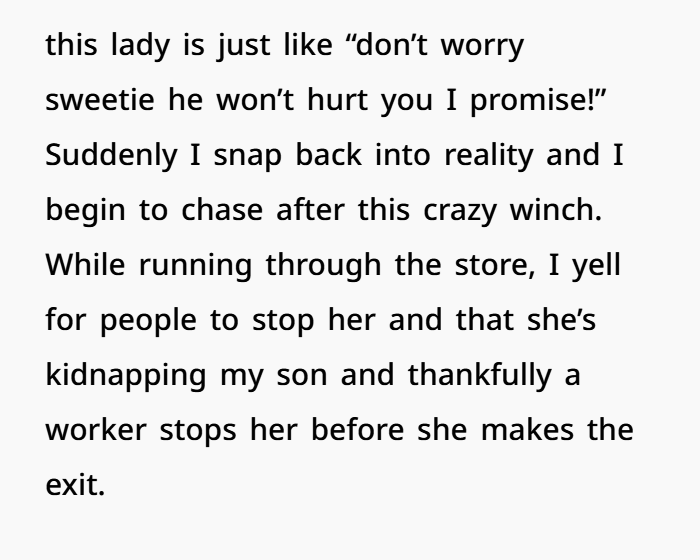
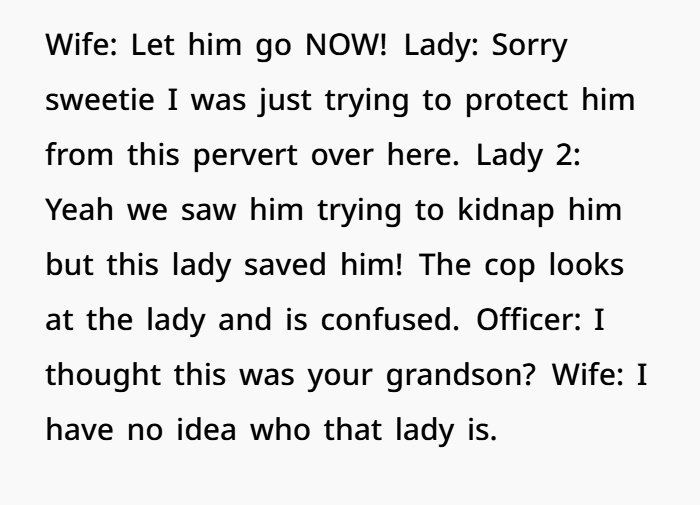
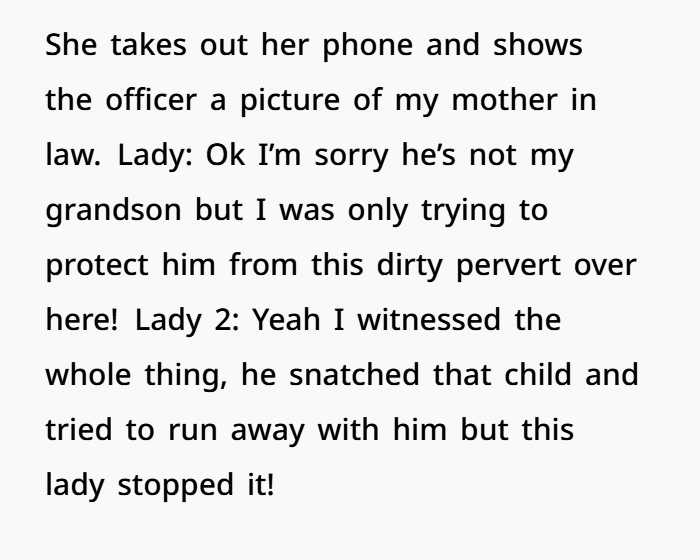
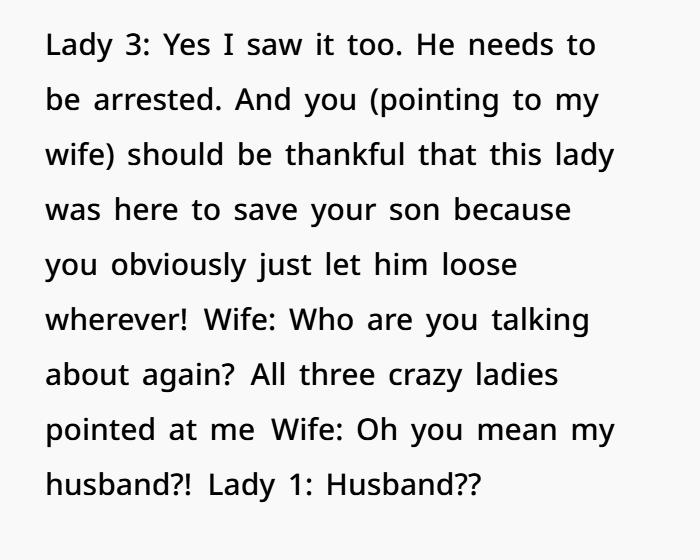
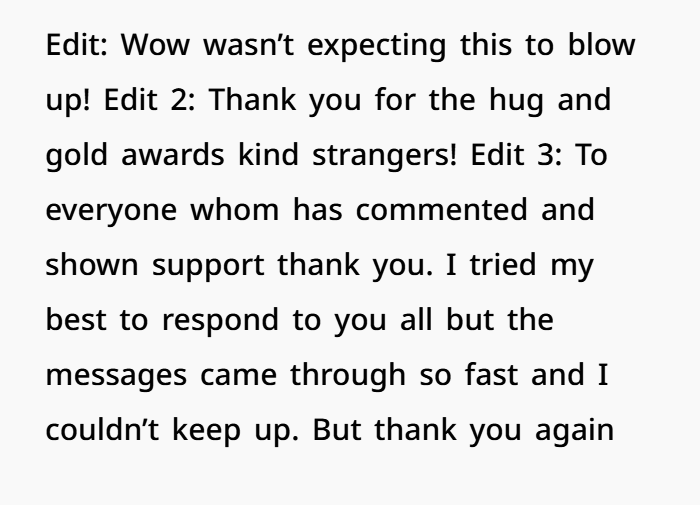
One grocery store incident gained attention after a woman became concerned about a child who was with a man. She believed the child might be unsafe and decided to step in.
The woman claimed she was protecting the 4-year-old child from a possible kidnapping situation. She said she was acting because she believed the man was a stranger who should not be with the child.
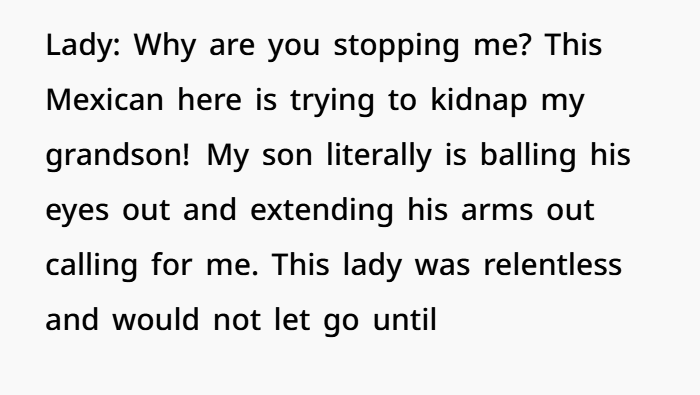
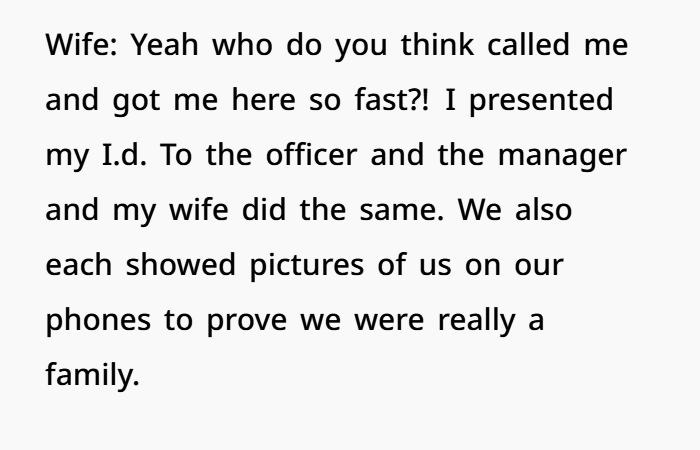
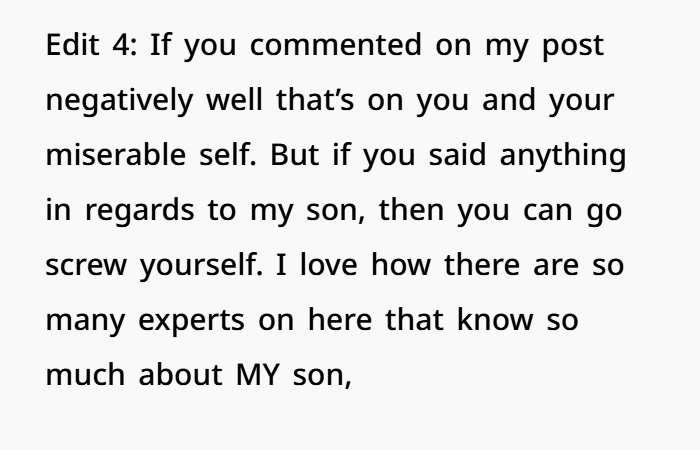
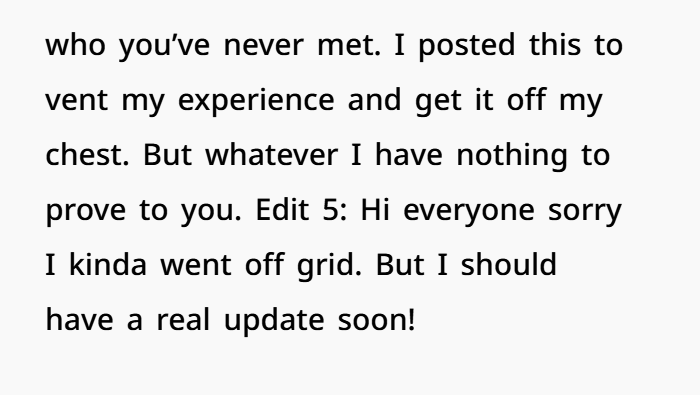
The truth was different. The man was the child’s stepfather and was simply spending time with him. He tried to explain the situation, but the woman did not immediately accept his explanation.
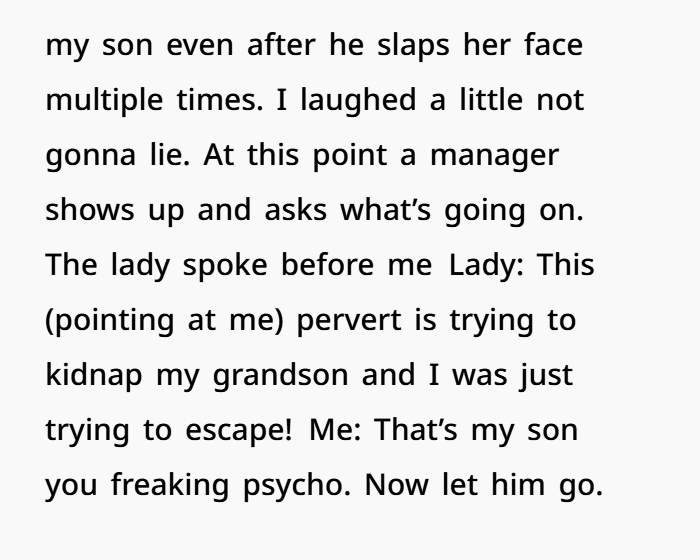
The disagreement attracted attention from other customers inside the store. Some people supported the woman’s concerns, while others tried to understand what was really happening. Store employees stepped in and attempted to keep the situation calm.
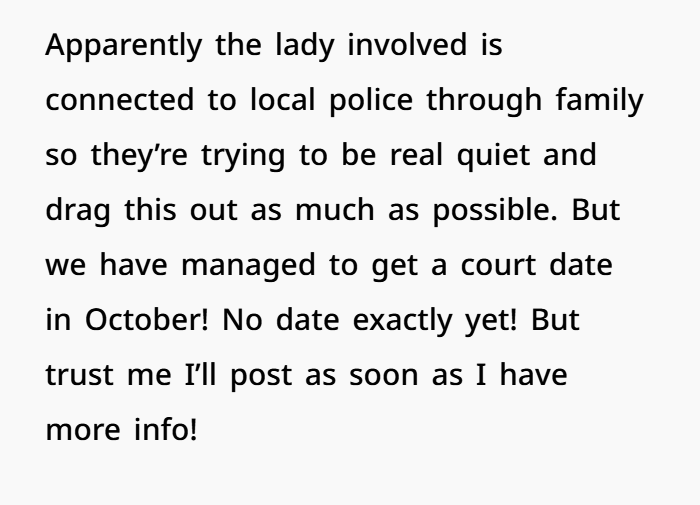
Eventually, the police were contacted to help resolve the misunderstanding and make sure everyone was safe.
The event became a reminder that assumptions can sometimes cause harm. Judging someone based only on their appearance or background can lead to unfair situations.
Building a more inclusive society starts with understanding, respect, and giving people the chance to explain themselves. Awareness of unconscious bias can help create better relationships and safer communities for everyone.

Understanding Unconscious Bias and How It Can Affect Everyday Life
People from different backgrounds may sometimes experience unfair treatment because of assumptions others make about them. While many people try to treat everyone equally, hidden opinions and experiences can sometimes affect the way they think, react, and make decisions.
This is known as unconscious bias. It does not always happen on purpose. Many people may not realize they have certain beliefs or habits that can influence their actions.
Learning about unconscious bias can help people become more aware, make better choices, and create more respectful communities.
What Is Unconscious Bias?
Unconscious bias means having automatic thoughts or feelings about people without fully realizing it. These thoughts can develop from many things, including family, culture, media, education, and personal experiences.
Unlike intentional discrimination, unconscious bias is often not something a person chooses. Someone may believe they are being fair, but their decisions may still be affected by hidden assumptions.
For example, a person may judge someone’s abilities, behavior, or intentions based on their appearance, name, age, gender, or background without knowing the full story.
Understanding these hidden biases can help people make more thoughtful decisions in everyday life.
How Unconscious Bias Affects Work and Society
Unconscious bias can affect many areas, including workplaces, education, healthcare, and personal relationships.
In the workplace, hiring decisions can sometimes be influenced by personal assumptions. This is why many companies now focus on workplace diversity, equal opportunities, and inclusive hiring practices.
Research has also explored how background, names, and social expectations can affect opportunities. These issues have encouraged many organizations to create fairer systems for employees and job applicants.
In healthcare, experts have studied how unconscious bias may influence communication between medical professionals and patients. Building awareness can help improve trust and provide better experiences for everyone.
Why Saying “I Treat Everyone the Same” May Not Be Enough
Many people believe they do not judge others, and having good intentions is important. However, experts explain that being aware of differences in people’s experiences can also help create a fairer society.
Recognizing that people may face different challenges does not mean treating anyone differently. Instead, it means understanding their experiences and making decisions based on facts rather than assumptions.
Awareness and education can help people become more thoughtful in their interactions with others.
A Grocery Store Incident Highlights the Importance of Understanding Facts
A situation at a grocery store showed how quickly misunderstandings can happen when people make assumptions.
A woman became concerned after seeing a young child with a man. She believed the child might be unsafe and said she was trying to protect him.
The man explained that he was the child’s stepfather and that he was caring for the child. However, the disagreement continued, and other shoppers became involved.
Store employees tried to calm the situation, and police were contacted to help handle the matter safely.
The incident became a reminder that it is important to understand the full situation before making conclusions about someone. A person’s appearance or background does not always tell the complete story.
Families Can Look Different in Many Ways
Families come in many forms, and not every family member will always look the same.
Some parents and children have shared experiences where strangers made assumptions about their family relationships because of differences in skin color or appearance.
For example, some families created through adoption have explained that they sometimes receive uncomfortable questions from people who assume a parent and child are not related.
These experiences show why respect and understanding are important. Families are built through love, care, and connection, not only by physical appearance.
How We Can Build More Respectful Communities
Learning about unconscious bias is not about blaming people. It is about becoming more aware of how thoughts and experiences can influence actions.
Simple steps can make a difference, such as:
- Listening before making judgments
- Learning about different cultures and experiences
- Treating people with kindness and respect
- Asking questions instead of making assumptions
- Supporting fair opportunities for everyone
Creating a more inclusive society starts with small everyday actions. When people choose empathy, understanding, and fairness, communities become stronger and more welcoming for everyone.
By recognizing unconscious bias and practicing respectful communication, we can help create workplaces, schools, and communities where people feel valued and included.
See The Comments Below