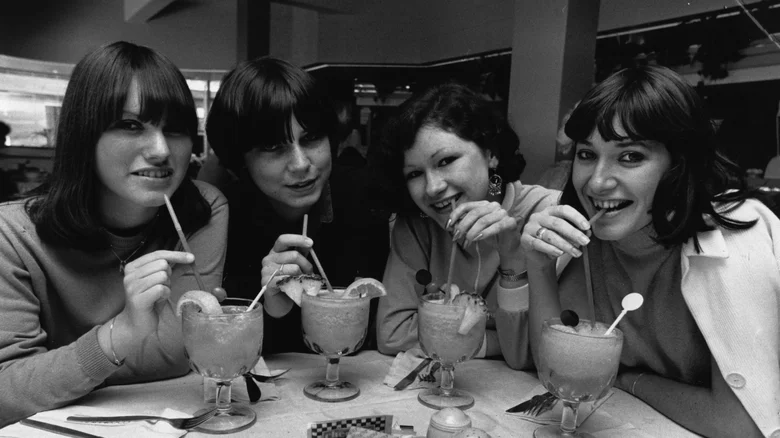
What Being a Teen in the 1980s Was Actually Like Compared to Today’s Digital-Driven World
Imagine this for a sec — you’re a teenager in the ’80s. No Internet. No smartphones. Every phone is basically “average IQ” and only good for talking. Nobody is snapping pics of their lunch for social media because… well, social media doesn’t exist. If you wanna shop, you hit the mall or flip through one of those thick paper catalogs. And that essay due Monday? Yeah, you’re writing it by hand unless you’re lucky enough to have one of those early home computers that looked like they belonged in a sci-fi movie.
If all that sounds stressful, you probably wouldn’t have loved being a teen back then. But if it feels kinda exciting, maybe even cozy, you might be pure Gen X — the crew that grew up on surfer slang, the Sony Walkman, MTV, and good old offline freedom. Honestly, they didn’t know it, but they had it pretty sweet.
And thanks to the Internet’s never-ending nostalgia vortex (plus some real memories from people who lived it), stepping into ’80s teen life feels like a totally tubular time warp. So let’s go back to the era of big hair, neon everything, mixtapes, mall culture, and a world where “smart tech,” “digital marketing,” and “mobile apps” weren’t even ideas yet. Smartphones were still alien-level tech waiting to be invented, and teens were just out there living life — no notifications, no algorithms, just vibes.
Latchkey kids grew into ’80s teens who had more freedom

If you believe the internet chatter, ’80s teens were basically wild and free — like tiny suburban pirates drinking water from garden hoses instead of pricey Yeti mugs. And honestly? That rumor’s kinda true. Most kids lived by the “streetlight curfew.” If the sun wasn’t down yet, you were free to roam. No GPS trackers. No mobile apps for “online safety.” Just vibes.
And if you were a latchkey kid, your parents were usually at work when you got home, so you had zero supervision anyway. Maybe you’d jump on your BMX with your friends or grab your Tony Hawk knockoff skateboard and shred around an empty swimming pool pretending it was your personal halfpipe. That was peak freedom.
More teens were also getting their driver’s licenses, which meant even more independence. Even if you had to borrow your dad’s giant, uncool station wagon, you could still load your friends in, cruise to the mall, hit the arcade, or grab cheap fast food. No rideshare apps. No digital payments. Just cash, gas, and whoever had the best mixtapes.
Eventually, lawmakers noticed this new generation of free-range teens and started rolling out curfew laws again. But even those rules didn’t really stop the chaos — or teen crime. Then came the ’90s, gang concerns, and the rise of the helicopter parent. Which is why ’80s teens ended up being one of the last generations to feel that raw, unfiltered freedom that today would give most modern parents a heart attack.
Home entertainment meant watching movies on cable or VHS
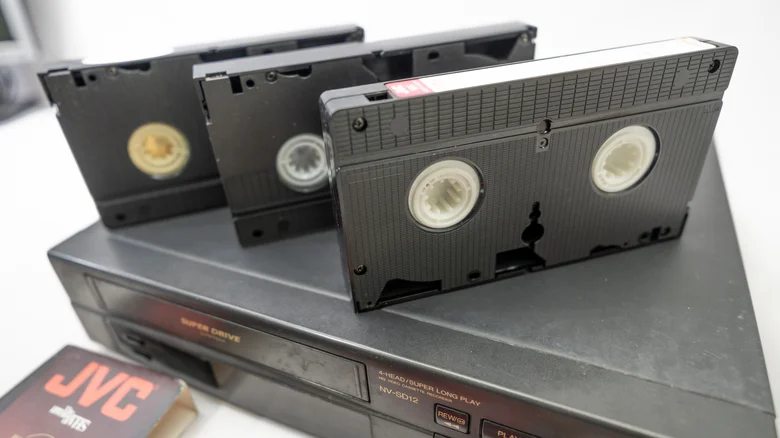
Teens today will never understand the electric joy of stepping into Blockbuster on a Friday night. Rows and rows of movies, that popcorn smell, and the hope that the new release wasn’t all rented out. And the best part? A couple of bucks could entertain a whole group — perfect for families on a tight budget or kids saving their paper-route money.
As rentals blew up, stores like Tower Records and Wherehouse started adding VHS sections too. Suddenly movies were everywhere, and ’80s teens were living the dream. You could watch Footloose, The Princess Bride, Dirty Dancing, Home Alone — all from your couch, no streaming subscription needed.
And if your family had cable? Whew. HBO felt like luxury tech. It had actually started back in the ’70s, but the cable boom in the ’80s brought it into tons of homes. Suddenly, you had specialty channels, nonstop movies, music programs — basically early home entertainment before the digital lifestyle took over.
Between VHS rentals and cable TV, ’80s teens were thriving without needing Wi-Fi, data plans, or monthly streaming bundles.
Pre-TikTok video antics were captured on a camcorder
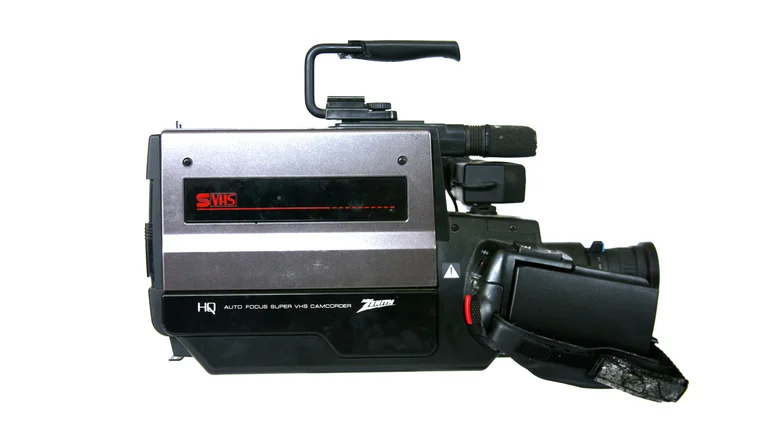
Long before TikTok dances, prank videos, and “For You” pages, ’80s teens were already making their own goofy content — just with giant camcorders and blank VHS tapes.
These early camcorders used full-sized VHS or Betamax cassettes, and yeah, they were bulky, but they felt like magic. No film developing. No waiting. You just plugged the camera into the TV or popped the tape into the VCR and boom — instant replay of your friends doing ridiculous things.
A lot of ’80s teens were obsessed with music videos (thanks MTV), so having a camcorder was like having your own mini film studio. You could record lip syncs, fake action scenes, or whatever creative chaos you felt like. And if you accidentally filmed over your parents’ tape of a wedding or a vacation? You just hit rewind and hoped no one noticed.
And for watching strangers wipe out or embarrass themselves, there was one legendary source: America’s Funniest Videos. It debuted in 1989 and totally changed home-video culture before the internet took it to the next level. ’80s teens basically lived through the pre-viral era.
Instead of social media, ’80s teens had note passing, slam books, and marathon phone calls

Without texting or any kind of digital messaging, ’80s teens had to rely on old-school communication — literally hand-written notes passed in class. These tiny paper messages were the OG DMs. And getting caught? Yeah… major trouble. Teens started folding notes into these cool origami-style shapes to keep things private and make it easier to sneak them around. No encryption. Just creativity and hope.
Slam books were another big thing. Picture a hand-written Facebook feed mixed with a comment section and a little drama. Everyone shared likes, dislikes, crushes, and random opinions in one notebook. Now TikTok kids find slam books and treat them like ancient artifacts — kinda how ’80s teens saw the Pony Express.
Of course, the real communication channel was the phone. But every phone was a landline, and most homes had only one line. So siblings fought nonstop over who got to have a marathon chat with their best friend. If you were lucky, you had a phone in your room. If you were super lucky (aka your parents had the money), you had a private line — the peak of ’80s luxury tech. Once answering machines rolled in, missed calls stopped being a crisis.
They pretty much lived at the mall after school and on weekends
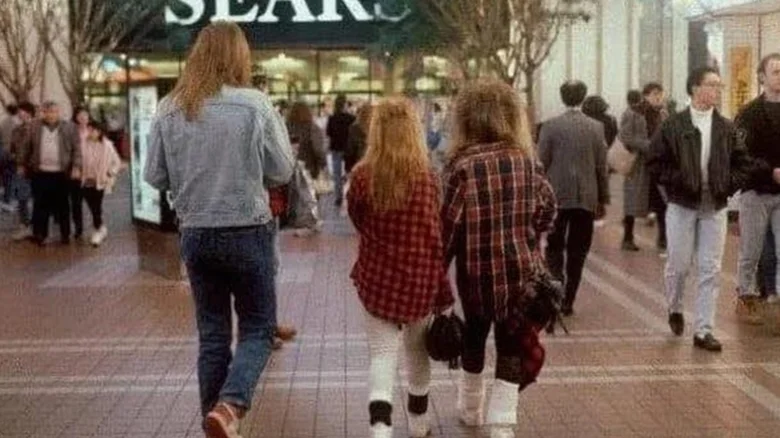
The mall was the spot for ’80s teens. Think of it as the offline version of today’s social media hangout — a place to see and be seen. Kids showed up to shop, flirt, grab food, and just walk around until their feet hurt.
Fashion was serious business. You had Guess and Jordache for acid-washed denim, huge shoulder pads, and Miami Vice-style jackets. Preppy kids hit Ralph Lauren for polos (collars popped, always). Sneaker lovers chased Nike, Adidas, and Reebok drops long before “sneaker culture” became a billion-dollar industry.
And of course, everyone ended up at Spencer’s for gag gifts or Sam Goody to check out the latest LPs, cassettes, and whatever music you could blow your allowance on.
The food court was a whole vibe too — Orange Julius, Dairy Queen, Hot Dog on a Stick, Sbarro, Chick-fil-A, Hot Sam Pretzels. Cheap eats, big flavors, zero calories counted. Then came the mall theater, where teens lined up for classics like E.T., Ghostbusters, Back to the Future, Ferris Bueller, and Die Hard.
And if you still had cash? Off to the arcade. You’d burn through quarters trying to get your initials into the top 10. It was usually the last stop of the day before heading home broke but happy.
Video game fanatics would gather at the arcade before Atari brought the fun home
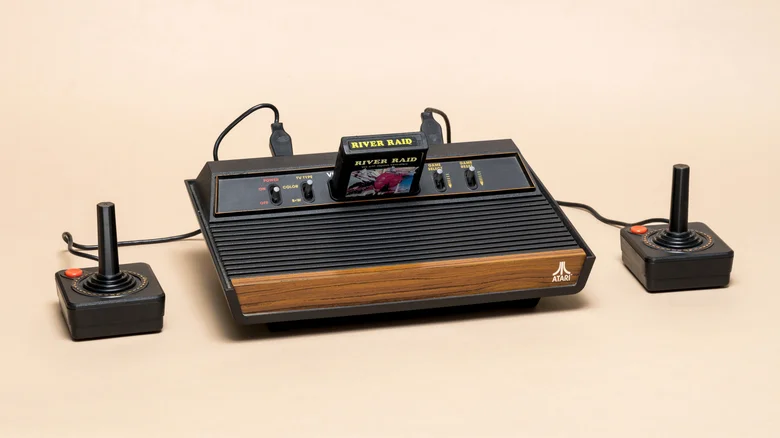
Before home consoles took over, the arcade was heaven for video game fans. Atari, Nintendo, and Sega didn’t rule the world yet, so if you wanted to play Pac-Man, Asteroids, or Space Invaders, you grabbed a pocket full of quarters and hit the neon-lit arcade. No microtransactions. No in-app purchases. Just raw skill and 25 cents per turn.
Atari changed everything when it revamped the 2600 console in 1982. Sure, the graphics were simple — nothing like today’s 4K gaming tech — but for an ’80s teen, being able to stay home and play for hours was mind-blowing. The idea of “marathon gaming” was basically born here.
Other brands like Intellivision tried to jump in with their own flashy graphics. But the real game-changer hit when Nintendo launched the NES in the mid-’80s. At that point, Atari’s peak was done, and home gaming became a legit teen obsession. Parents hated it, teens loved it, and nobody knew this was the start of a trillion-dollar tech industry.
And since online play didn’t exist, your friends had to show up in person to game with you — making it way more social than today’s headset-and-microphone world.
They recorded their favorite songs from the radio
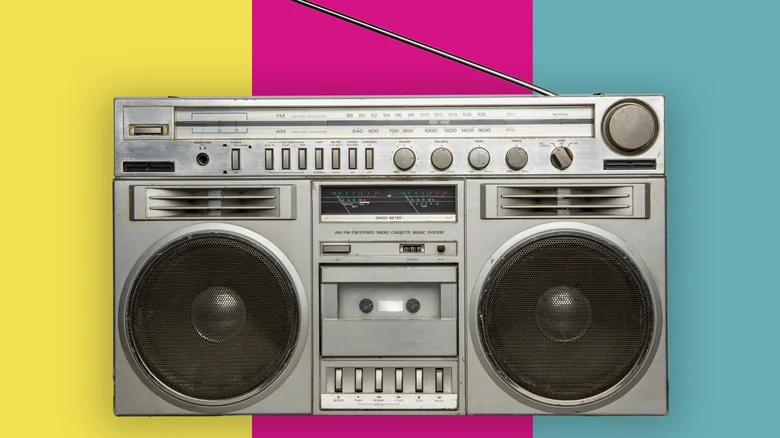
Back in the ’80s, teens were obsessed with music just like kids today — but without Spotify, Apple Music, or any kind of music streaming service. Instead, they used cassette recorders and grabbed their favorite songs right off the radio. It was the budget-friendly way to build a playlist without blowing your allowance at the record store.
The real hack was tuning into Casey Kasem’s Top 40 Countdown on Sunday mornings. Casey’s smooth radio voice, fun facts, and song dedications basically turned four hours of radio into a pop-music ceremony. If you timed it right, you could record clean versions of the biggest hits in the country.
And when you were done? Boom — you had the greatest creation of the decade: the mix tape. You could mix Madonna, Cyndi Lauper, Janet & Michael Jackson on one side, then flip it over for Metallica, Bon Jovi, Mötley Crüe, Van Halen, Prince, Bobby Brown, Whitney Houston… all living together in perfect chaos. And yeah, giving a mix tape to your crush was basically the ’80s version of sending a flirty playlist.
To listen on the go, you’d grab your battery-powered Sony Walkman, pop on those soft foam headphones, and disappear into your own world. If you wanted everyone else to hear your vibe, you blasted a giant boombox until the windows rattled. Portable audio tech at its finest.
Having stylish hair meant using tons of product

Hair in the ’80s wasn’t just hair — it was a lifestyle. And it required a whole lot of product. Perms and mullets were everywhere, but styles changed fast. Early ’80s hair was soft and feathered, then suddenly everything turned huge, crunchy, and gravity-defying.
For the guys, Dippity Do and Dep Gel were the holy grail. These gels could hold spikes and mohawks in place all day. It felt like covering your head in glue, but hey, it worked. And the iconic Jheri Curl, powered by tons of hair products, became a massive trend thanks to Michael Jackson.
For maximum volume, mousse was the weapon of choice. And then came Aqua Net, the legendary hairspray with a scent you could smell from across the school campus. ’80s teens would shellac their bangs and manes until nothing moved — not even a tornado. It was personal care on overdrive.
MTV was their main source of music videos before it became a reality show hub
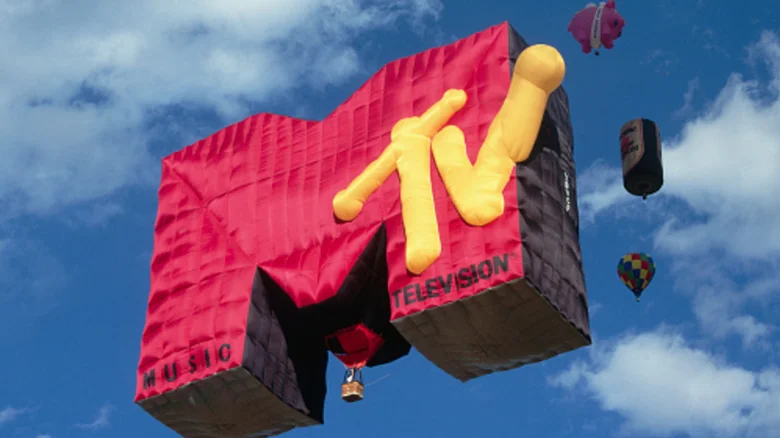
Before YouTube, before TikTok, before music streaming apps — teens in the ’80s had MTV, and it was everything. You planned your whole evening around catching the next World Premiere Video. If your favorite artist dropped a new music video at 7 p.m. on Tuesday, you better believe you were home.
MTV launched in 1981 with five veejays who played music videos and reported music news. Artists like Duran Duran, Cyndi Lauper, Eurythmics, Madonna, and Adam Ant blew up because MTV basically turned them into global icons. Others, like Michael Jackson, Peter Gabriel, and Fleetwood Mac, created videos that felt like mini-movies. This was early digital media marketing before marketers even knew what that meant.
By the mid-’80s, music videos had become legit art. Teens had front-row seats to a cultural explosion that shaped fashion, style, and entertainment trends worldwide.
Then 1992 hit, MTV released The Real World, and reality TV slowly took over. By 2025, MTV is shutting down its music channels for good — but for ’80s teens, that golden age will always feel untouchable.
Homework was mostly done by hand since home computers were rare
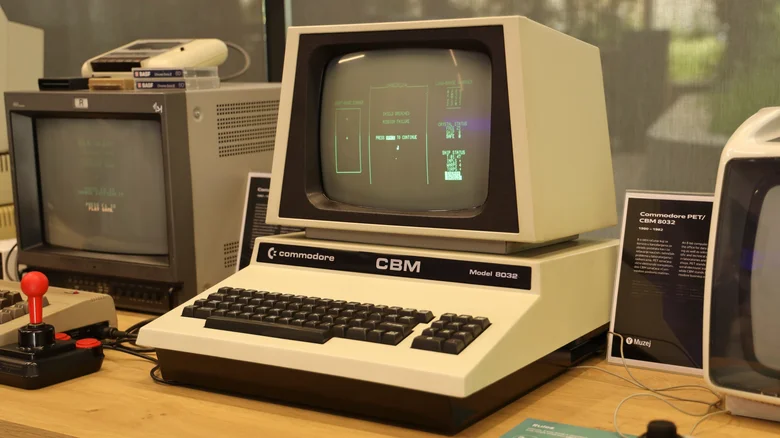
In the ’80s, having a home computer was like having a luxury car — only wealthy or super tech-obsessed families bought one. An IBM in 1981 was around $1,500 (basically over $5k today). These machines were big, slow, loud, and needed their own desk, which is how “computer rooms” eventually became a thing in the ’90s.
Commodore tried to make home tech cheaper in 1982 with the Commodore 64, which hooked up to your TV and cost about $595. Then Apple dropped the first Mac in 1984 and completely changed the future of personal computing.
But for regular teens? Homework was totally old-school. Everything was handwritten — usually cursive — which modern students barely use anymore. First draft in pencil. Final draft in pen. Stuffed into a Trapper Keeper and handed in physically, not emailed at 11:59 p.m.
If you had a friend with a computer, or your family had one, you could type your essays on early word-processing programs. And printing on a dot-matrix printer took forever — that loud screeching sound is burned into every ’80s kid’s memory. But at least you didn’t have to rewrite the whole thing when you made a mistake.
’80s teens had to contend with the Satanic Panic

It sounds like a wild urban legend now, but the Satanic Panic was a very real thing in the ’80s. Teens back then were constantly being judged for their music, their movie choices, and even their friend groups because parents thought “evil influences” were everywhere.
It all blew up after the book Michelle Remembers, which claimed demons and cult rituals were happening in secret. Suddenly, suburban parents were convinced heavy metal music was full of hidden satanic messages. A kid wearing a Metallica shirt could get treated like they were summoning dark forces.
This era also brought the Dungeons & Dragons panic. Because the game had magic, monsters, and fantasy themes, some parents thought it was basically a gateway to Satan. Teens were warned that joining a D&D group meant rituals, sacrifices, and all kinds of nonsense. Total buzzkill.
Then came the PMRC, led by Tipper Gore, which pushed for warning labels on “explicit content.” Those little black-and-white stickers became iconic. It was basically early content moderation before the Internet even existed.
It was all one big battle for the soul of ’80s youth — but teens survived it just fine.
‘Totally rad’ and ‘grody to the max’ were the ’80s teens’ ‘based’ and ‘cringe’

Every generation has its slang, and ’80s teens definitely added their own flavor to American culture. Movies like Valley Girl and celebrities like Moon Unit Zappa helped make Val Speak mainstream. Words like “totally rad” and “grody to the max” were everywhere — they might sound goofy today, but back then they were legit cool.
Hip-hop culture also shaped how teens talked. Words like “dope,” “fly,” and “chill” became part of everyday conversation. Add in a dash of surf and skate slang — “tubular,” “gnarly,” “dude” — and you’ve got a whole vibe that defined the decade.
What’s wild is how slow slang spread back then. It moved from region to region instead of going viral overnight. Unlike today’s digital culture where TikTok can create worldwide slang in 24 hours, ’80s slang stayed tied to its time, its place, and its people.
And for the teens who lived it? Those words still spark radical retro nostalgia today.