
1938 Aerial Footage Could Be the Missing Piece in the Amelia Earhart Plane Mystery

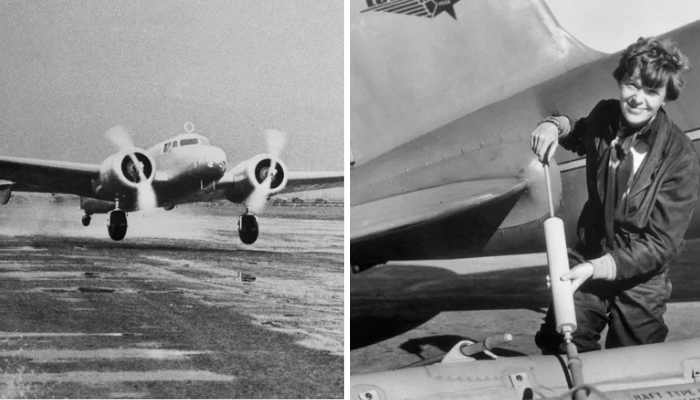
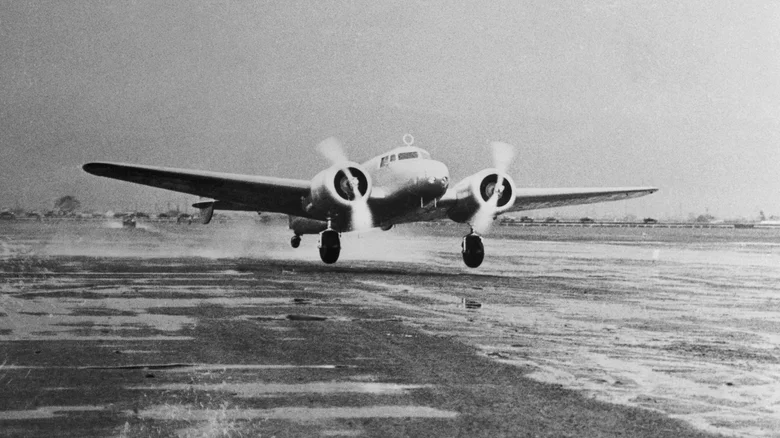
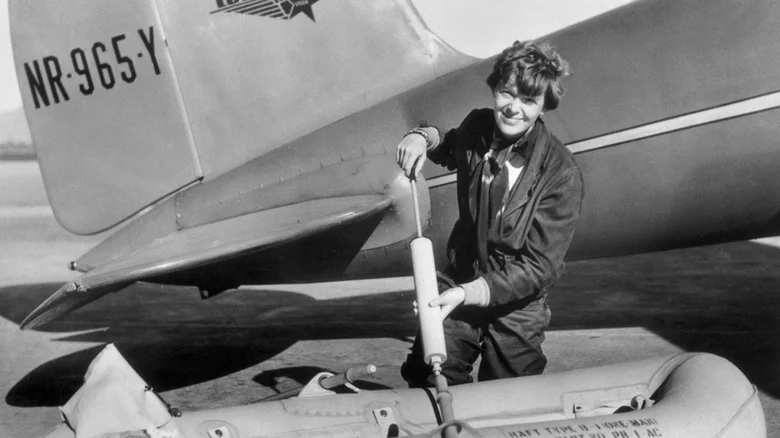
On July 2, 1937, famous pilot Amelia Earhart and her navigator Fred Noonan started a historic flight around the world. They were flying a Lockheed Electra plane from Lae, New Guinea, as part of their journey to become the first people to complete a flight around the globe.
They had already traveled about 22,000 miles and only had a few stops left. However, while flying over the Pacific Ocean near Howland Island, their plane disappeared. A major search was launched by the U.S. Navy and Coast Guard, but no confirmed remains of the aircraft were ever found.
Amelia Earhart’s disappearance became one of the most famous aviation mysteries in history. Over the years, many researchers have searched for answers and explored different theories about what happened.
Now, a possible new clue has brought fresh attention to the case. Researchers are studying old aerial footage from 1938, along with modern satellite images and drone photos, that may show a strange object near Nikumaroro Island.
The object, known as the Taraia Object, was found in an area about 350 miles from Howland Island. Some experts believe its shape and location could match parts of Earhart’s missing Lockheed Electra aircraft.
A research team from Purdue University and the Archaeological Legacy Institute is planning more exploration of Nikumaroro Island to learn more about this discovery.
If future research proves that the Taraia Object is connected to Amelia Earhart’s plane, it could become one of the most important discoveries in aviation history. Until then, her disappearance remains a mystery that continues to interest people around the world.
Was Amelia Earhart marooned?

Was Amelia Earhart stranded on Nikumaroro Island? This idea has been discussed by researchers for many years and remains one of the most interesting theories about her disappearance.
Since 1989, researchers from the International Group for Historic Aircraft Recovery (TIGHAR) have studied the remote Pacific island, which was once known as Gardner Island. Their theory suggests that Amelia Earhart and her navigator Fred Noonan may have made an emergency landing there after losing contact during their flight.
Some researchers believe the pair may have survived on the island for a period of time and used the aircraft’s radio to send possible distress signals. They think the plane may have later been damaged or moved into the ocean because of changing tides.
During the original search for Earhart, U.S. Navy aircraft flew near Nikumaroro Island. Reports mentioned possible signs of human activity, but no one was found, and the island was considered empty at the time.
Over the years, more possible clues have been discovered. Old aerial photographs from 1938 showed unusual objects near the island, which some researchers believe could be connected to aircraft remains. Other reports mentioned possible metal pieces and personal items found on the island.
Modern researchers continue to study these discoveries and search for more evidence about the missing Lockheed Electra plane. While the theory is still unconfirmed, it remains one of the most widely discussed possibilities in aviation history.
If this theory is proven true, Amelia Earhart’s disappearance may not have been a mystery of the sky, but a story of survival and a difficult journey on a remote island in the Pacific Ocean.
What the photos purport to show
According to Amelia Earhart researcher Michael Ashmore, the Taraia Object was first noticed in 2020 while studying satellite images of Nikumaroro Island. Since then, researchers have looked at more images, including 1938 aerial photos taken by a New Zealand survey team.
Some experts believe the object shown in these images may look similar to parts of Amelia Earhart’s missing Lockheed Electra aircraft. They think it could possibly include shapes that resemble the plane’s tail, body, or wing.
If this discovery is confirmed, it could provide an important clue in one of the biggest aviation mysteries in history. Satellite images and drone footage have made researchers take a closer look at the area around Taraia.
However, this is not the first possible discovery connected to Amelia Earhart’s missing plane. In 2024, explorer Tony Romeo shared findings from an underwater search and believed he had located the aircraft. Later research suggested the object was likely a natural rock formation instead.
The search for Amelia Earhart’s plane continues. Researchers are planning more exploration on Nikumaroro Island in 2026 to study the Taraia Object and look for new evidence.
Whether it becomes a major aviation discovery or another unanswered mystery, the search continues to capture the interest of historians and aviation experts around the world.
A new search set for 2026
A new search for Amelia Earhart’s missing plane is planned for 2026, and researchers hope it may bring new answers to this famous aviation mystery.
A 15-member research team from Purdue University and the Archaeological Legacy Institute (ALI) was preparing for an expedition to Nikumaroro Island. The mission was delayed because of permit discussions with the government of Kiribati and concerns about Pacific cyclone season.
Reaching Nikumaroro Island is not simple. The remote island has been empty since 1963, when the last residents left because of difficult living conditions. The research team will need to travel by boat from the Marshall Islands, with a journey of about six days across the open ocean.
During the expedition, researchers plan to use modern technology, including satellite research, sonar mapping, aerial photography, and special scanning tools. These methods will help them study the Taraia Object and find out if it could be connected to Amelia Earhart’s missing Lockheed Electra aircraft.
If needed, the team may also carefully explore the area beneath the surface to search for possible aircraft remains. The goal is to collect more evidence and better understand what happened nearly a century ago.
Old aerial photos from 1938, along with newer satellite and drone images, have encouraged researchers to continue the search. For many people interested in aviation history, the 2026 expedition could be an important step toward solving the Amelia Earhart mystery.
Whether the search reveals the missing plane or leads to more questions, researchers hope this mission will bring them closer to the truth about Amelia Earhart and Fred Noonan’s final flight.