My Friend Copies Everything I Do — Now She Says She Has My Rare Disease Too


A young woman shared a problem about her friendship with someone she has known for many years. She feels that the relationship has changed because her friend often copies her choices and compares their lives. The woman says the friendship no longer feels comfortable or healthy.
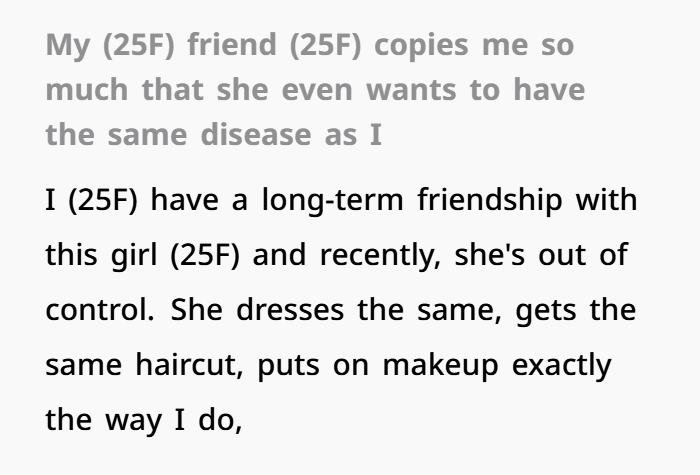
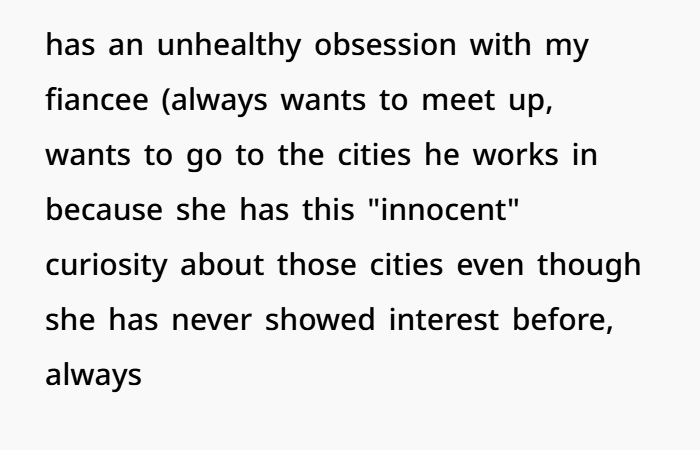
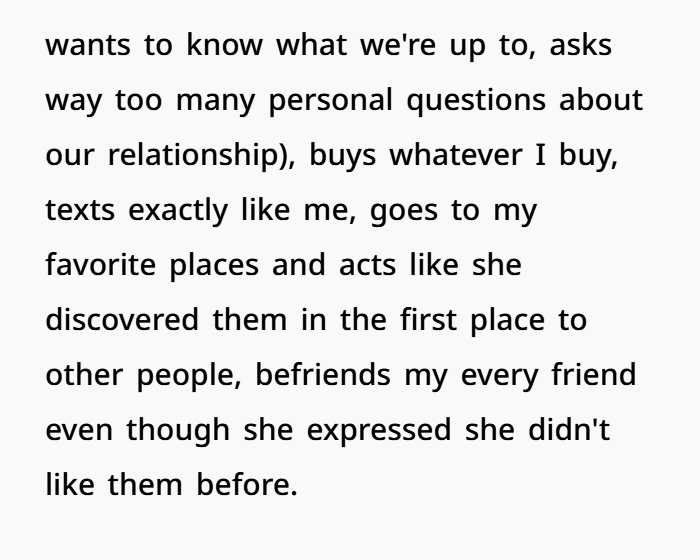
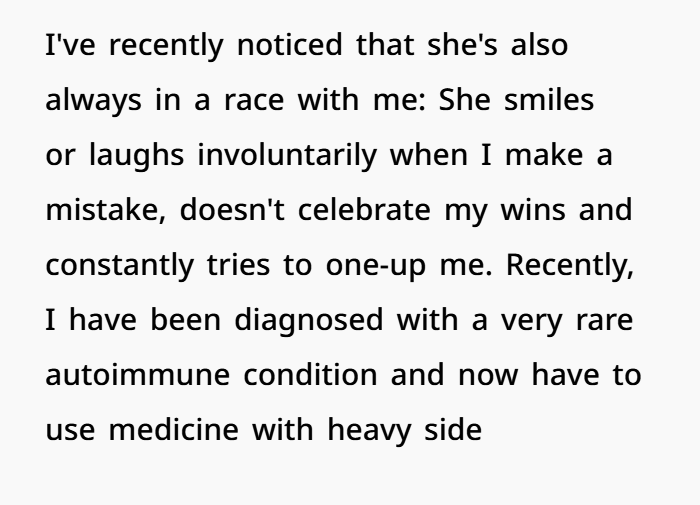
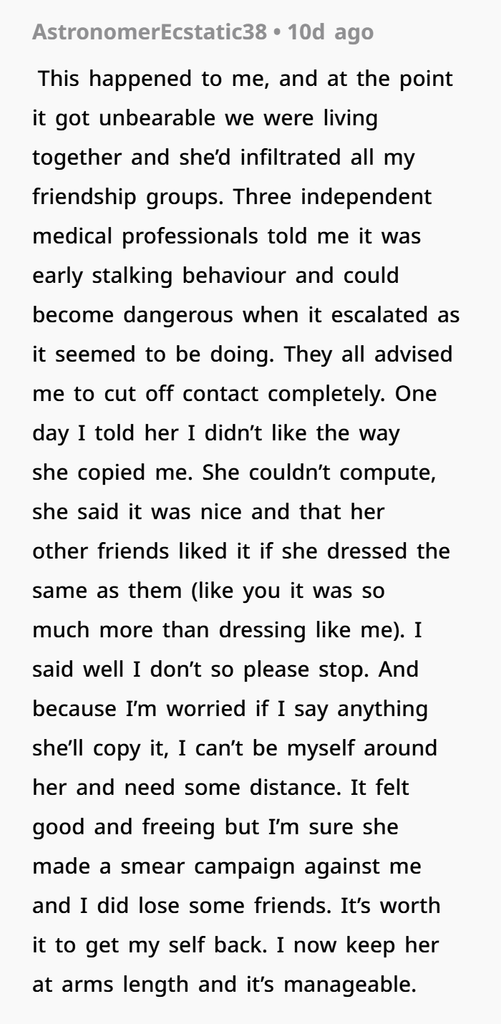
According to her, the friend copies her style, hobbies, messages, social relationships, and other personal choices. She feels that the friend is not only interested in the same things but also tries to compete with her. The woman says she finds it difficult because she does not always feel supported.
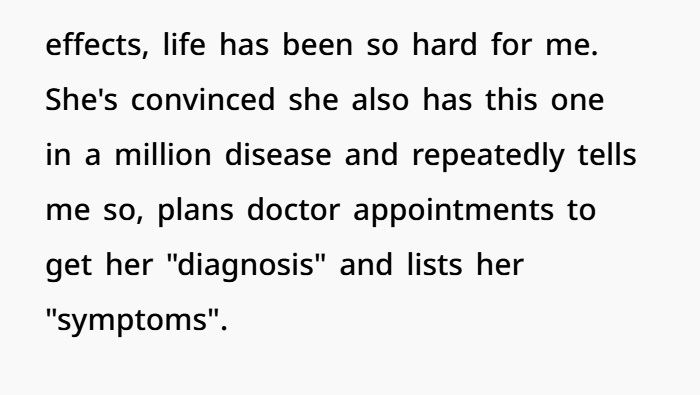
The problem became more serious after the woman was diagnosed with a rare health condition. She says her friend started talking about having similar symptoms and looking for medical answers. The woman felt confused and worried because the situation involved a very personal part of her life.
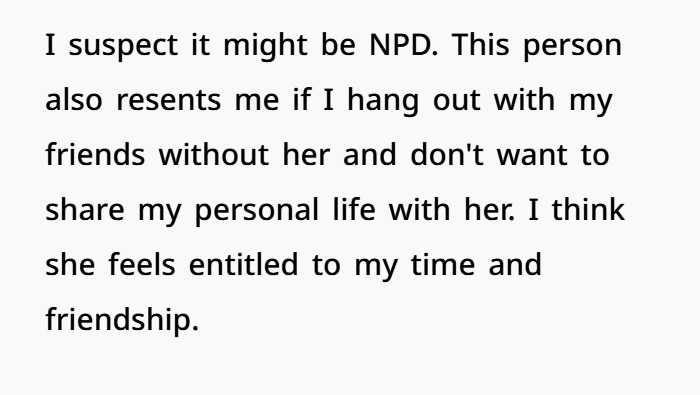
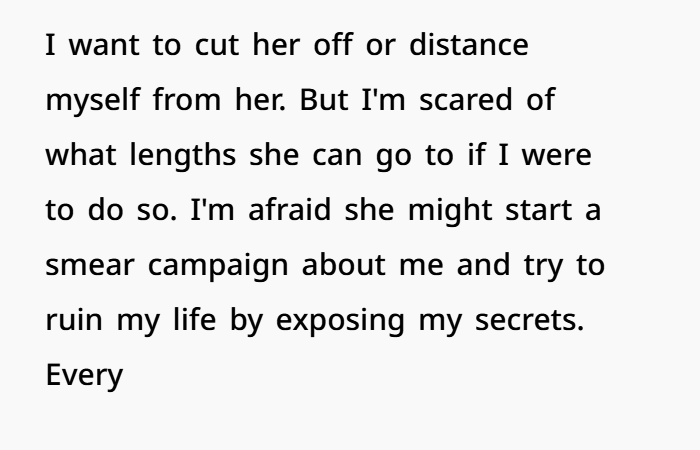
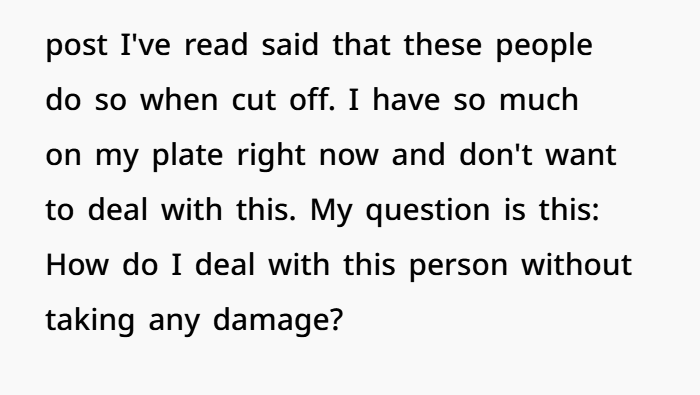
The woman wants to create healthier boundaries but is concerned about possible reactions. She worries that stepping back from the friendship could cause misunderstandings or damage her privacy. She is looking for a calm way to handle the situation and protect her emotional well-being.

Friendship Boundaries: When Copying Starts to Feel Uncomfortable
Friends often influence each other. It is normal for close friends to start enjoying similar things, such as the same clothes, hobbies, restaurants, shows, or daily habits.
Sharing interests can be a healthy part of a friendship.
However, problems can happen when one person feels that the other person is copying them too much or not respecting their personal space.
The issue is usually not one small thing. It is the repeated pattern and how the friendship makes someone feel.
When Copying Feels Different From Normal Friendship
Many people naturally copy small things from people they like or admire.
A friend may try a product you recommend, visit a place you enjoy, or become interested in a hobby you love.
This can be a way of feeling connected.
But when copying happens all the time, only from one side, or starts to feel like competition, it may become uncomfortable.
A healthy friendship allows both people to have their own identity, choices, and interests.
Avoiding Labels and Quick Assumptions
When someone’s behavior feels frustrating, it can be easy to try to explain it with a label.
However, people can behave in certain ways for many different reasons.
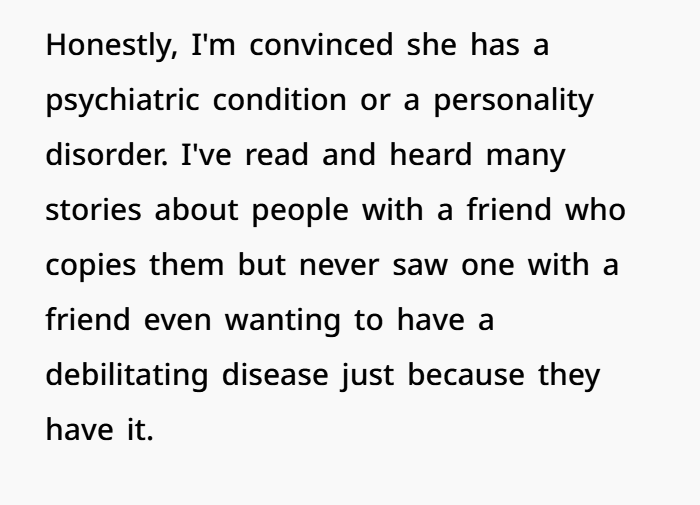
Someone who copies others, seeks attention, or seems jealous may be dealing with insecurity, stress, anxiety, or personal struggles.
It is not possible to know the full reason behind someone’s behavior without understanding their situation.
Mental health conditions should only be diagnosed by qualified professionals after a proper evaluation.
Instead of focusing on labels, it is often more helpful to look at the actual behavior and how it affects the relationship.
When Health Problems Affect Friendships
Friendships can become more sensitive when someone experiences a serious health issue.
During difficult times, people usually need support, understanding, and kindness.
Sometimes another person may share their own similar experiences because they want to connect or show that they understand.
However, if conversations repeatedly shift attention away from the person facing the health challenge, it may feel upsetting or unsupported.
A strong friendship includes empathy and knowing when to give someone space to share their own experience.
Focus on Behavior, Not Intentions
One of the hardest parts of friendship problems is trying to understand why someone acts a certain way.
It can be difficult to know whether someone is copying, competing, seeking attention, or simply trying to feel closer.
Instead of trying to prove someone’s intentions, focus on what you can see and how it affects you.
Consider questions like:
- Do I feel respected in this friendship?
- Can I share personal information comfortably?
- Do I feel supported after spending time together?
- Are my boundaries being respected?
These questions can help you understand what changes may be needed.
Setting Healthy Friendship Boundaries
Setting boundaries does not always mean ending a friendship.
Sometimes, small changes can create a healthier relationship.
Helpful boundaries may include:
- Sharing fewer personal details about your life
- Keeping some conversations private
- Spending time with different friends separately
- Saying no when something feels uncomfortable
- Avoiding arguments about someone’s intentions
Good boundaries help protect your emotional well-being and create more balanced relationships.
Handling Distance Without Creating More Conflict
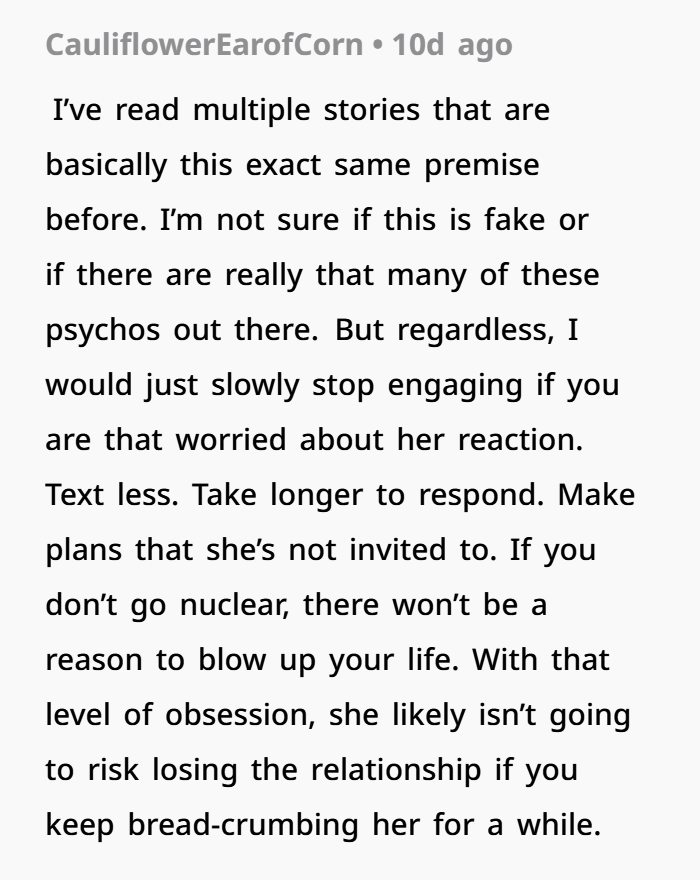
Some people worry that creating distance from a friend will lead to arguments, rumors, or negative reactions.
Every situation is different, and people respond to changes in different ways.
A calm approach can help reduce unnecessary conflict.
You can consider:
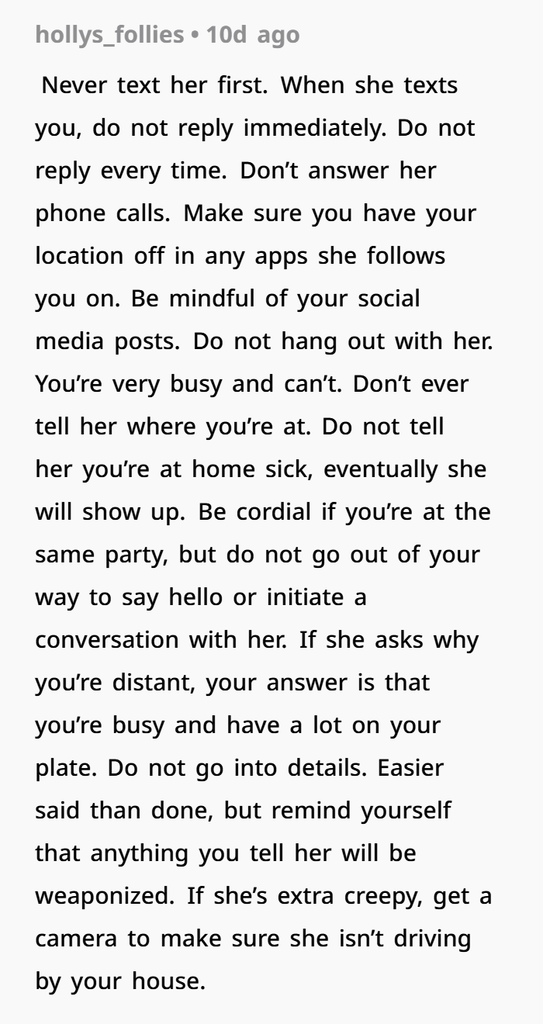
- Slowly creating more space
- Keeping conversations respectful
- Avoiding emotional arguments
- Focusing on your own needs
You do not always need to explain every choice you make.
When Long Friendships Change
It can be painful when a friendship changes, especially if you have known someone for many years.
However, a long history does not always mean a relationship is still healthy.
A positive friendship should include:
- Respect
- Trust
- Support
- Honest communication
- Personal space
The most important question is not always why someone behaves a certain way.
The bigger question is whether the friendship feels healthy, comfortable, and respectful.
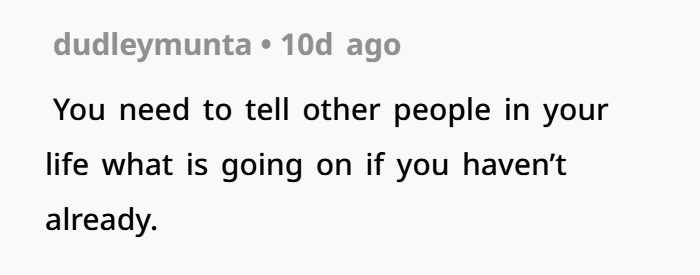
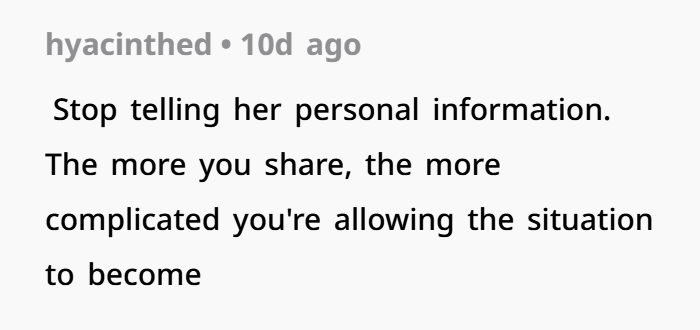
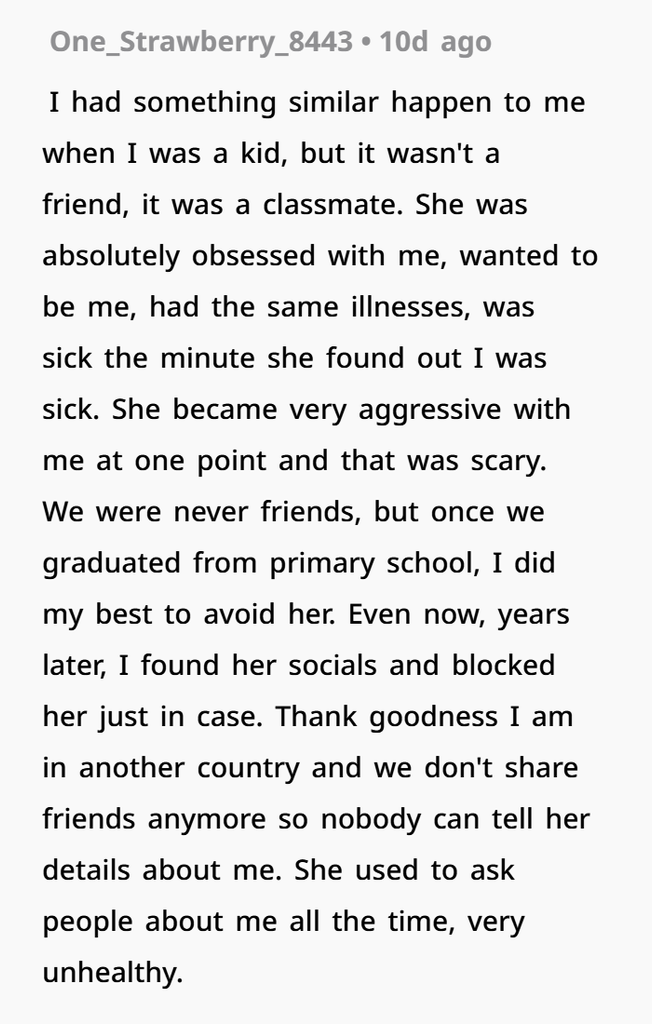
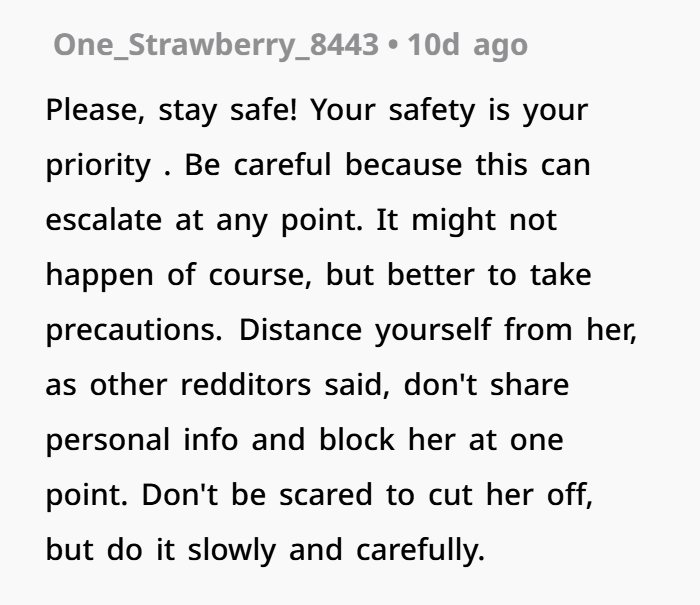
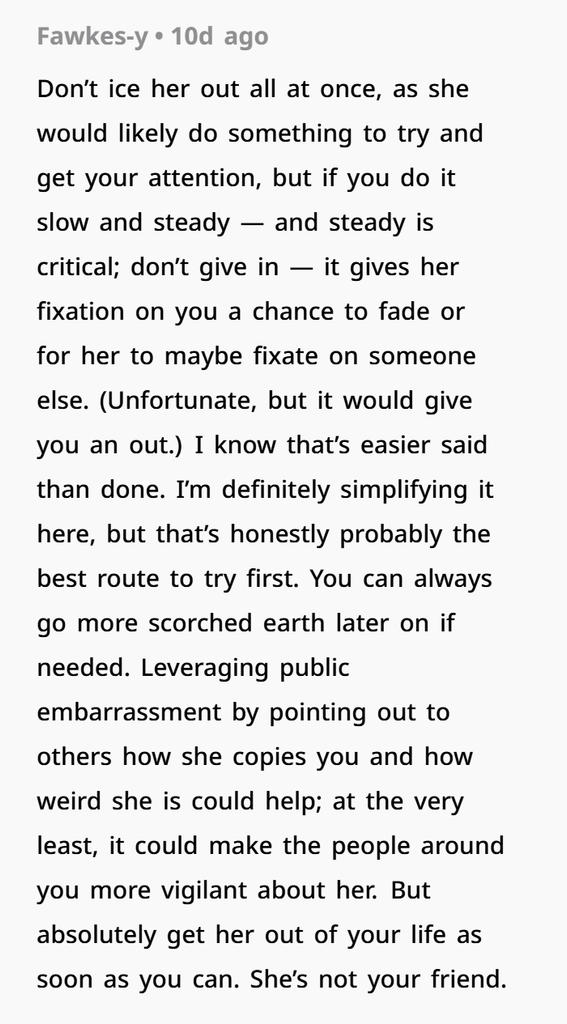
See The Comments Below

Final Thoughts
Friendships naturally change as people grow and experience new things.
It is normal for friends to influence each other, but everyone also needs their own identity and boundaries.
By focusing on healthy relationships, emotional wellness, communication skills, and personal growth, people can build friendships that feel supportive and positive.