Family Drama Erupts After Careless Aunt Allows Child to Handle $2K Laptop, Then Gaslights Owner

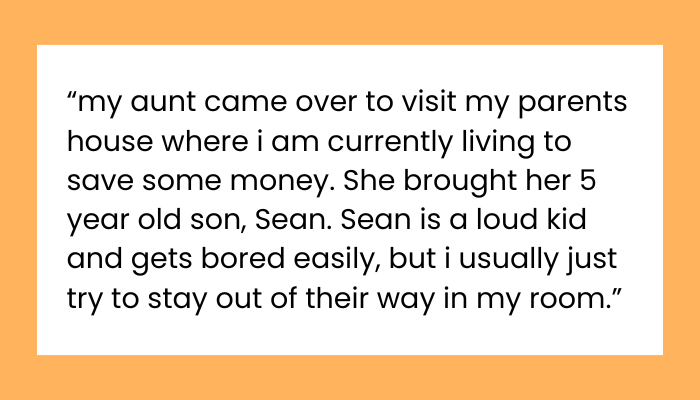
A 24-year-old freelance graphic designer is living with her parents to save money. Like many people today, she is trying to manage expenses while building her career. She works from home, takes freelance projects, and has an income that changes from month to month.
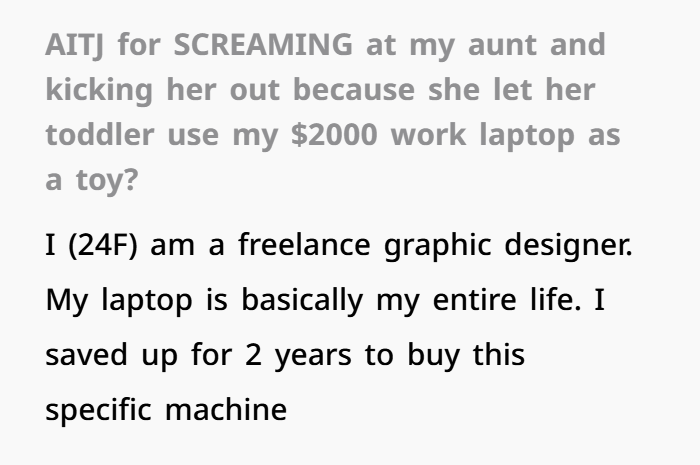
One of her most important work tools is a $2,000 laptop that she saved for two years to buy. For her, it is not just a computer. It stores her design software, client files, business documents, and everything she needs to run her freelance work.
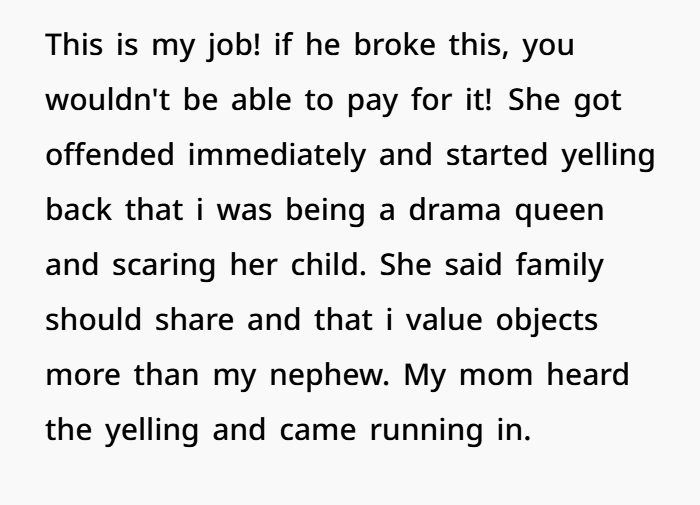
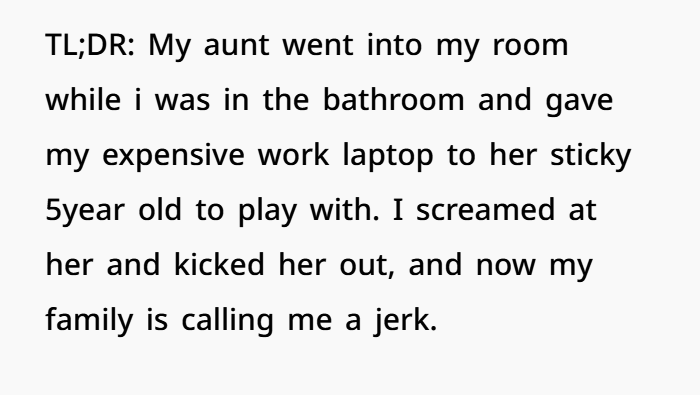
One day, she stepped away from her room for a few minutes and left the door slightly open. When she came back, she saw her aunt using her phone while her 5-year-old child was touching the laptop with chocolate-covered hands. The keyboard and screen were covered with sticky marks, which immediately worried her.
She quickly picked up the laptop and became upset. She raised her voice because she was afraid the device could be damaged. Her aunt did not think it was a serious problem and said it was only a computer and that the child was just bored.
However, the designer explained that the laptop was a major part of her business. If it stopped working, she could lose important files, miss deadlines, and face financial problems. For her, the issue was not only about cleaning chocolate from a device. It was about respecting her personal belongings and work equipment.
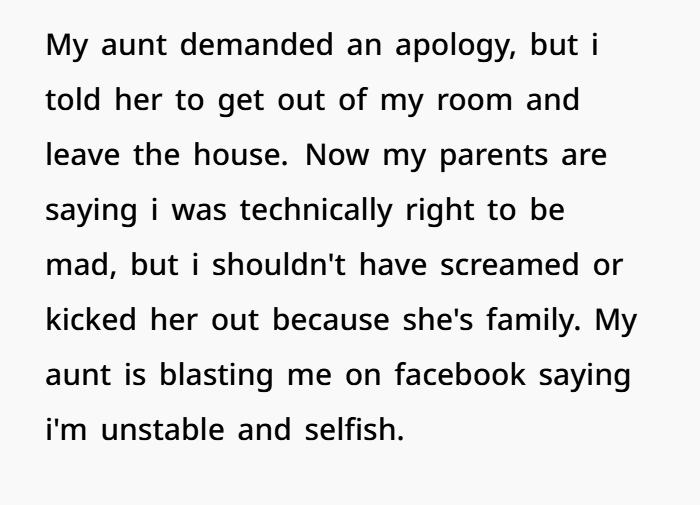
The conversation became heated, and both sides felt frustrated. What started as a small accident turned into a larger disagreement about responsibility, boundaries, and respect in a shared home.
The author of the post is a freelance graphic designer, and she recently bought a $2k laptop for her work
When Family Members Damage Your Work Equipment: Understanding Boundaries, Money, and Respect
Sometimes a family argument looks small from the outside.
People may think it is just about a laptop, a child, or a simple mistake.
But sometimes the real issue is much bigger.
It can be about personal boundaries, financial security, and respecting someone’s work.
For people who work from home or run a freelance business, their equipment is not just a personal item.
It is part of their income.
Why a Laptop Can Be More Than Just a Device
For a freelance graphic designer, a high-quality laptop is a business tool.
It may be used for:
- Graphic design projects
- Video editing
- Client work
- 3D designs
- Creative software
- Business communication
A laptop that costs thousands of dollars is not simply a luxury purchase.
It can be the main tool that helps someone earn money.
If it gets damaged, the problem is not only the repair cost.
It can also mean:
- Missed deadlines
- Lost client work
- Extra expenses
- Stress about replacing equipment
For someone who is self-employed, there is usually no company IT department providing a replacement device.
They are responsible for protecting their own business equipment.
Freelancers Face Different Financial Challenges
Working as a freelancer has many benefits, but it also comes with risks.
Unlike a traditional job, freelancers often do not have:
- Paid leave
- Employer-provided equipment
- Guaranteed income
- Company support during emergencies
Income can change from month to month.
That is why protecting work equipment is important.
A broken laptop can become a serious financial problem, especially for someone who depends on freelance income.
Many freelancers consider options like:
- Business insurance
- Equipment protection plans
- Emergency savings
- Backup storage solutions
These steps help protect a small business from unexpected problems.
Why the Situation Felt So Serious
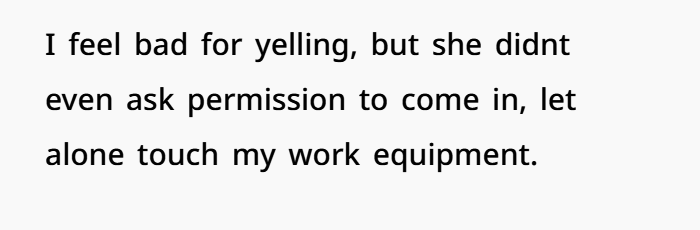
In this situation, the laptop was damaged after a child used it without permission.
From the outside, some people may think:
“It is just a computer.”
But for the owner, it represented much more.
It represented:
- Years of saving money
- Hard work
- Career growth
- Financial independence
Buying expensive work equipment often requires sacrifice.
Someone may have worked extra hours, saved carefully, or taken more projects to afford it.
So seeing that equipment damaged can create a strong emotional reaction.
The Importance of Personal Boundaries
Even inside a family home, people can have personal boundaries.
Sharing a home does not mean everything belongs to everyone.
There is a difference between sharing normal household items and allowing someone to use expensive professional equipment.
A laptop used for work is similar to other important tools.
A person has the right to decide who can use it.
Asking for permission before using someone else’s expensive property is basic respect.
Looking at the Parent’s Side
It is also possible that the child’s parent did not understand how serious the situation was.
Some people who do not work in digital careers may see a laptop as only an electronic device.
They may not realize:
- How expensive repairs can be
- How important the device is for work
- How much income depends on it
However, the problem becomes bigger when someone dismisses another person’s concerns instead of listening.
A better response would have been:
“I did not realize how important this was. I’m sorry.”
Simple understanding can prevent many family conflicts.
When Boundaries Are Ignored
One of the hardest parts of this situation was not only the damage.
It was feeling like the concern was not respected.
When someone says:
“It is not a big deal.”
while another person is worried about their income, it can feel dismissive.
Healthy relationships require listening to each other’s concerns.
Family members do not have to agree with everything, but they should respect important boundaries.
Why Public Arguments Make Things Worse
Another difficult part was sharing the conflict online.
When private family disagreements are posted on social media, the problem often becomes bigger.
Instead of solving the issue directly, more people become involved.
This can create:
- More anger
- More misunderstandings
- More family tension
Most conflicts are easier to solve through a private conversation.
Was the Reaction Perfect?
The frustration was understandable.
Protecting your income source is important.
However, yelling is usually not the best way to handle conflict, especially around young children.
A calmer response can often communicate the same message more effectively.
For example:
“This laptop is important for my work. Please do not let anyone use it without asking me first.”
That sets a clear boundary without increasing the conflict.
Finding a Balanced Solution
The best outcome would include both accountability and understanding.
The person who allowed the laptop to be used should recognize the mistake.
The laptop owner can also recognize that emotions became intense.
A healthy conversation might include:
- An apology
- A clear rule about personal belongings
- Respect for work equipment
- Better communication in the future
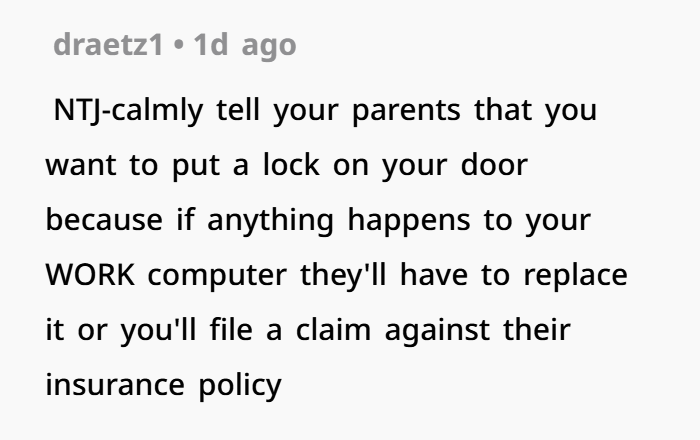
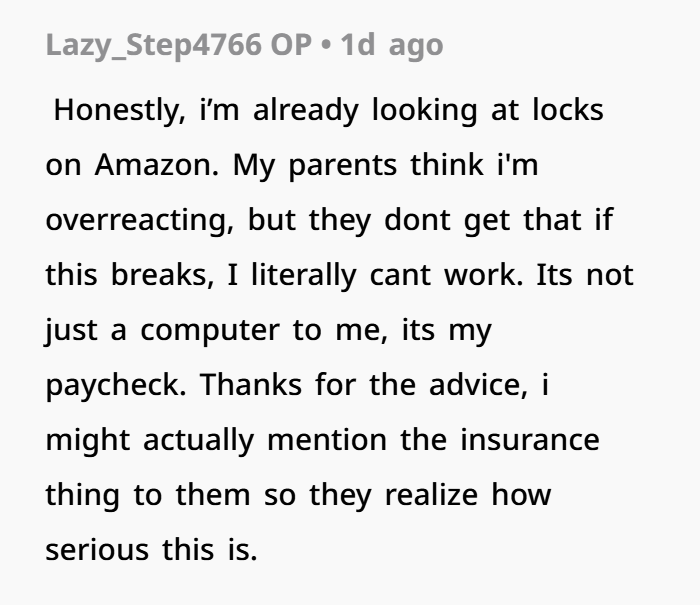
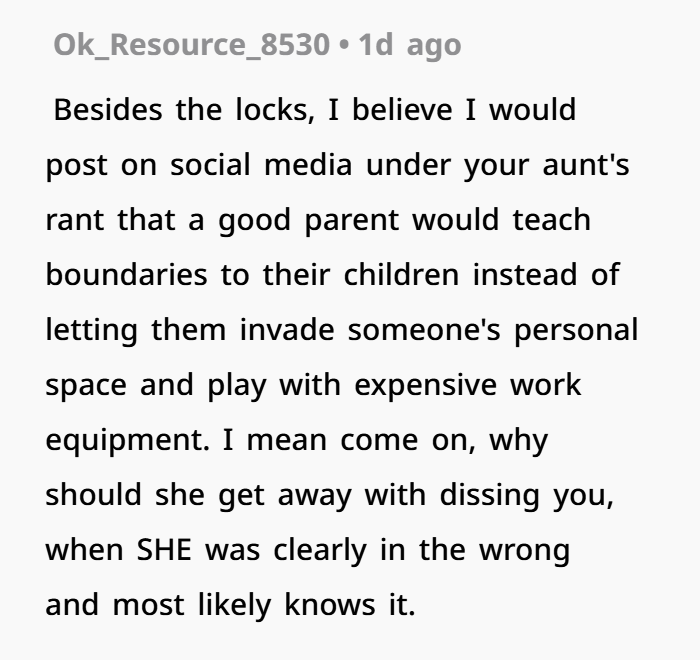
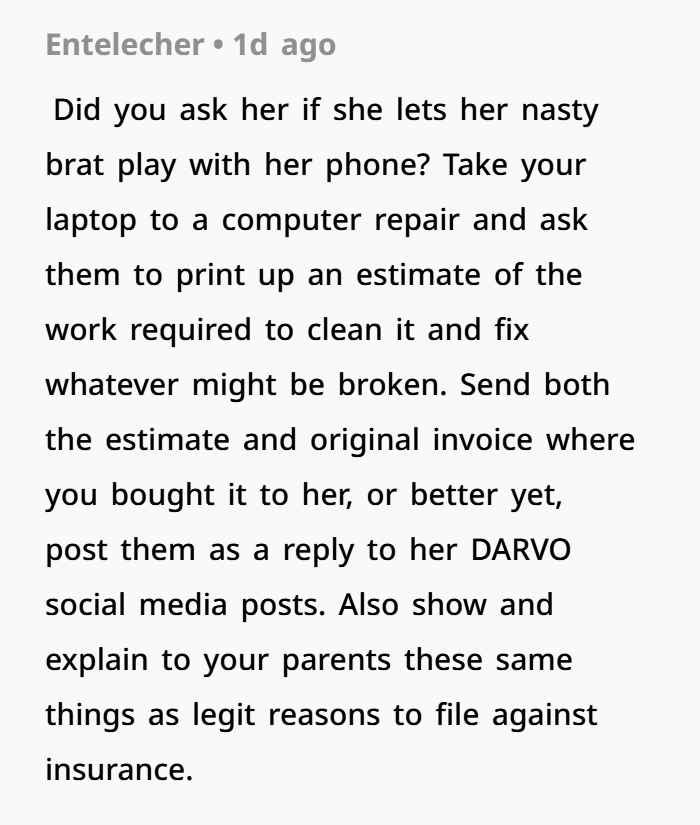
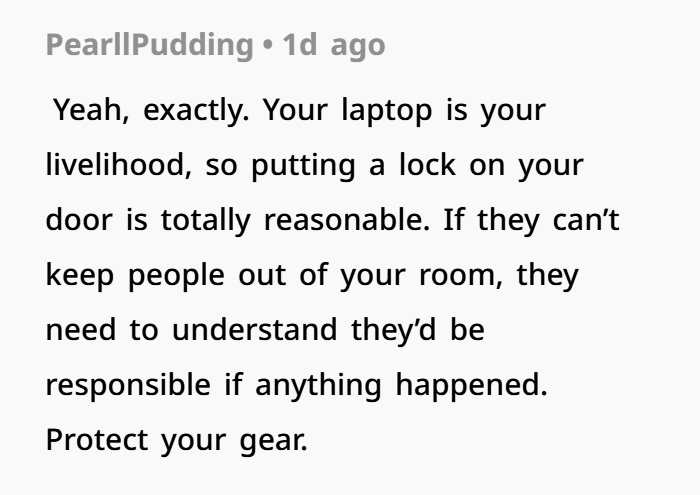
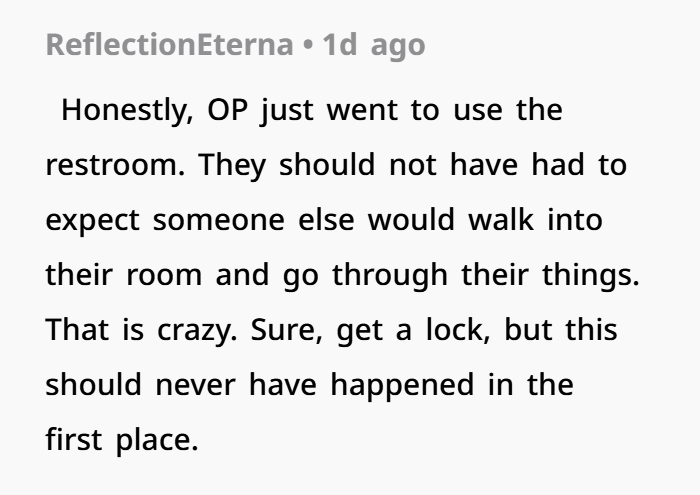
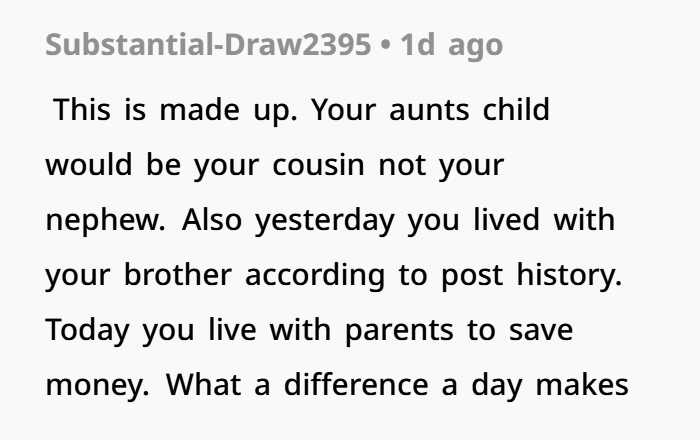
Most commenters, however, sided with the original poster, claiming that it was just inappropriate behavior from her aunt
Final Thoughts
This situation was never only about chocolate marks on a laptop.
It was about respect, personal property, and financial responsibility.
For many freelancers and small business owners, their equipment is connected directly to their income.
Protecting that equipment is not selfish.
It is part of protecting their career and financial future.
At the same time, family disagreements are best handled with calm communication and clear boundaries.
The lesson is simple:
Your work tools deserve respect, and your family relationships deserve thoughtful communication.